The Strait of Hormuz isn't just a stretch of water. It's the jugular vein of global energy, and right now, Tehran has its hands firmly wrapped around it.
If you are wondering why fuel prices keep climbing or why global supply chains feel like they are walking on glass, look right here. Recent negotiations between Iran and Oman have sparked rumors about a temporary shipping lane, but don't let the headlines fool you. Tehran's hardliners just dropped a massive list of new conditions that Washington is expected to meet before any commercial vessel gets a clear path through the chokepoint.
The Hardline Demands Behind Closed Doors
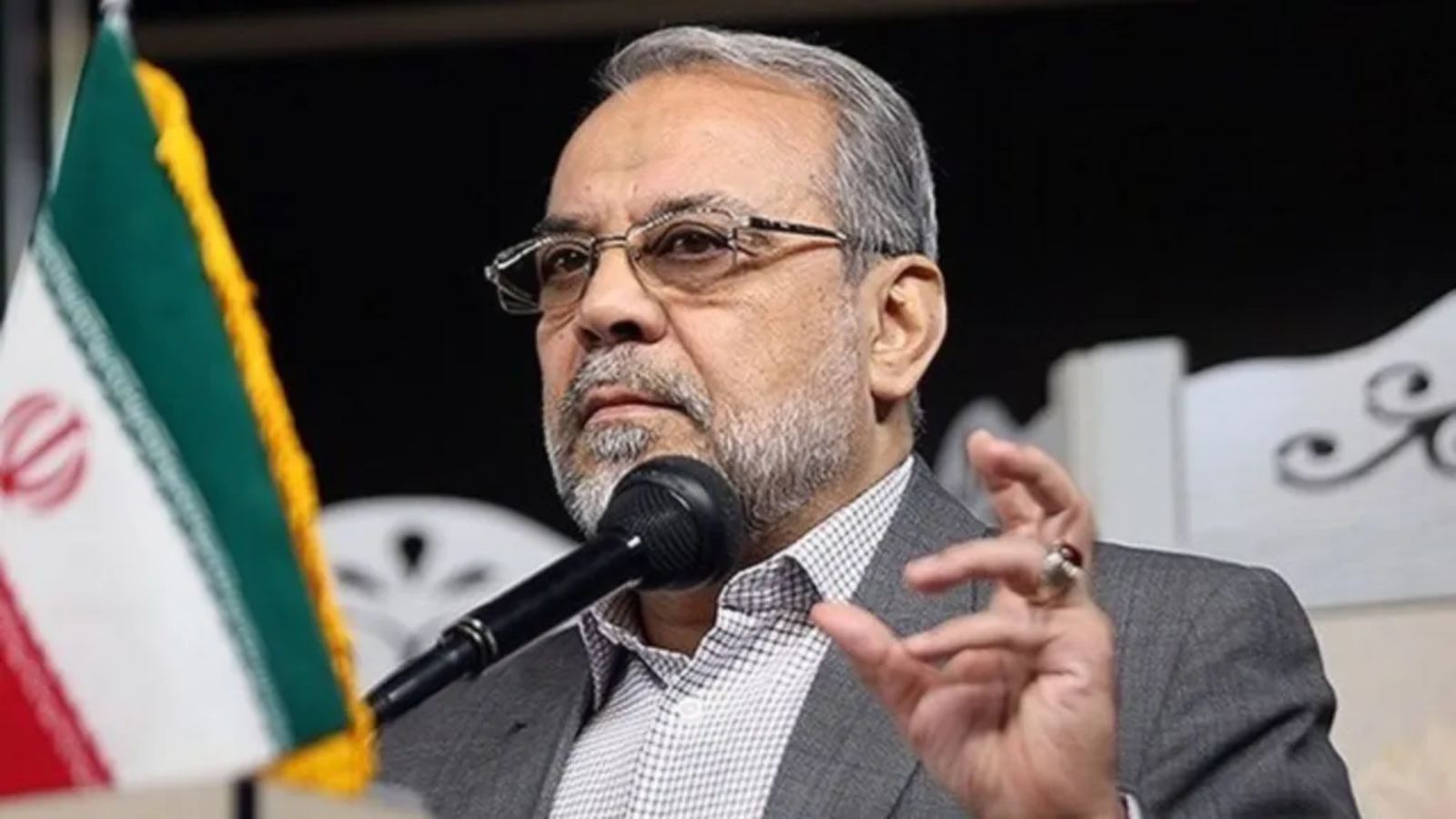
Mohammad Bagher Zolghadr, secretary of Iran's Supreme National Security Council, laid out terms that go far beyond basic maritime logistics. These aren't minor requests about shipping schedules or toll collection. They are sweeping political and military ultimatums.
According to state media statements, Tehran expects the United States to completely overhaul its footprint in the region. The checklist includes:
- A permanent end to all military operations and threats against Iran and its regional proxies.
- The total withdrawal of American naval and air forces from the immediate vicinity.
- Full financial compensation for war damages inflicted during the conflict.
- The immediate lifting of all economic sanctions and the unconditional release of frozen Iranian assets.
- The lifting of the ongoing naval blockade choking Iranian ports.
These demands signal a distinct split in strategy. Iranian diplomats have been chatting with Omani mediators to hammer out a technical traffic scheme, but the powerful Islamic Revolutionary Guard Corps and top security bodies are making it clear that a local transit fix doesn't equal a full reopening.
Splitting Technical Talks From Realpolitik
You have to look at how these negotiations are structured to understand the chess game being played. On one side, Foreign Minister Abbas Araghchi claims that Tehran and Muscat are very close to an agreement on a provisional navigation route. This proposed setup involves incoming cargo entering through lanes hugging Iranian waters while outgoing traffic shifts toward Oman.
Sounds like progress, right? Not quite.
The catch is that Iran treats the Oman discussions as a separate administrative track. They want to manage the physical flow of ships without ceding their primary geopolitical leverage. Washington maintains that the waterway is international territory and refuses to accept unilateral tolls, checkpoint permissions, or restrictions on free movement.
When the June memorandum of understanding collapsed, it did so largely because vessels using authorized channels were still targeted if they bypassed Tehran's checkpoints. The current talks are stuck in that exact same friction point.
What This Means for Global Markets
Markets hate uncertainty, and this standoff provides it in spades. Approximately a fifth of the world's petroleum supply usually moves through this narrow passage. Keeping it shut or heavily restricted forces tankers to find expensive workarounds, driving up shipping insurance rates and pushing retail fuel costs past four dollars a gallon in many Western markets.
President Donald Trump's administration faces a ticking clock. With midterm elections approaching, the economic blowback of persistent energy inflation puts immense pressure on the White House to find a breakthrough. Yet, meeting Tehran's current demands means undoing years of maximum-pressure sanctions and altering Middle Eastern defense postures—a steep political price for any U.S. administration.
Meanwhile, Iran is feeling the pinch too. The U.S. naval blockade keeps cutting into their own export revenue, risking domestic economic strain. Both sides are staring each other down, hoping the other blinks first.
Keep a close eye on the actual transit data coming out of the Persian Gulf rather than the optimistic spin from diplomatic press conferences. Until a mechanism is signed that satisfies both Washington's insistence on open international waters and Tehran's demand for sweeping security concessions, the Strait of Hormuz remains a high-stakes hazard zone.


