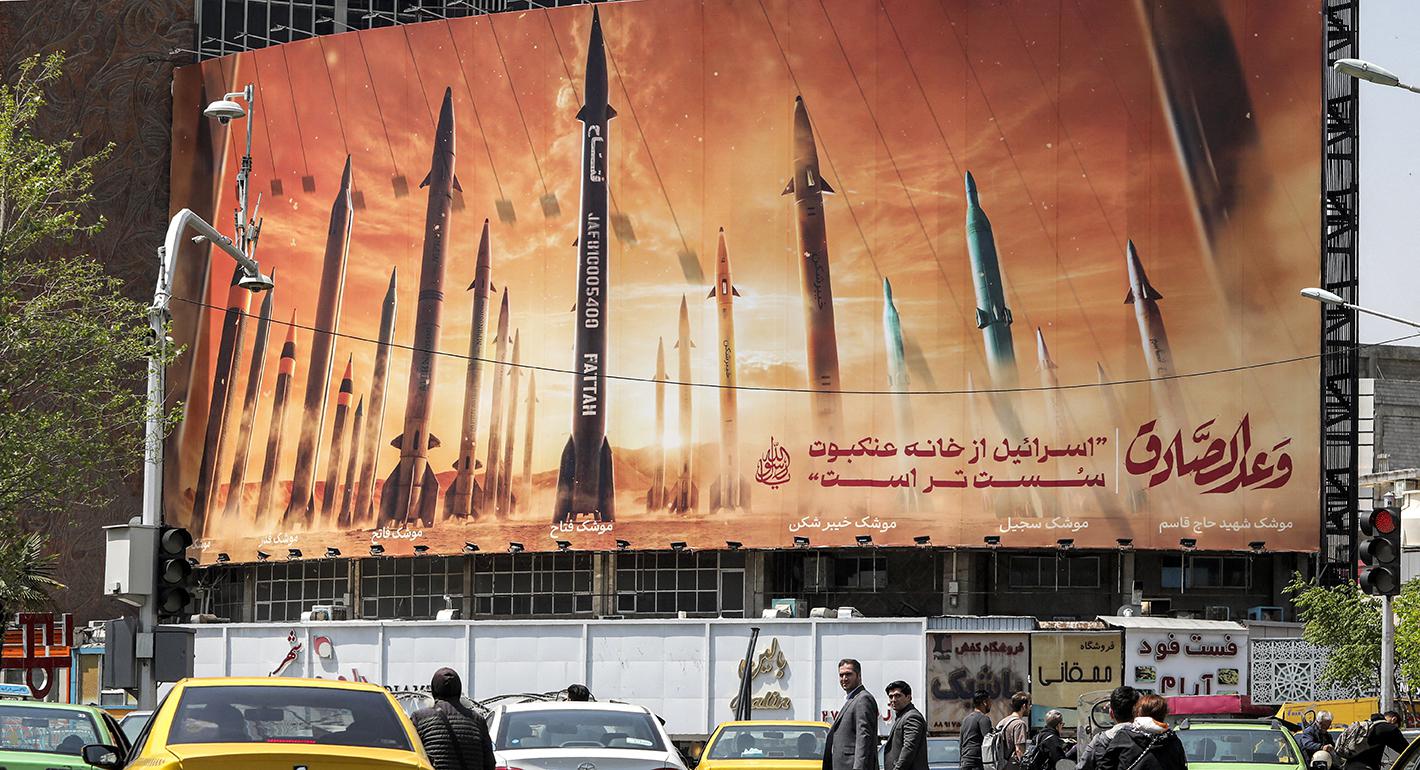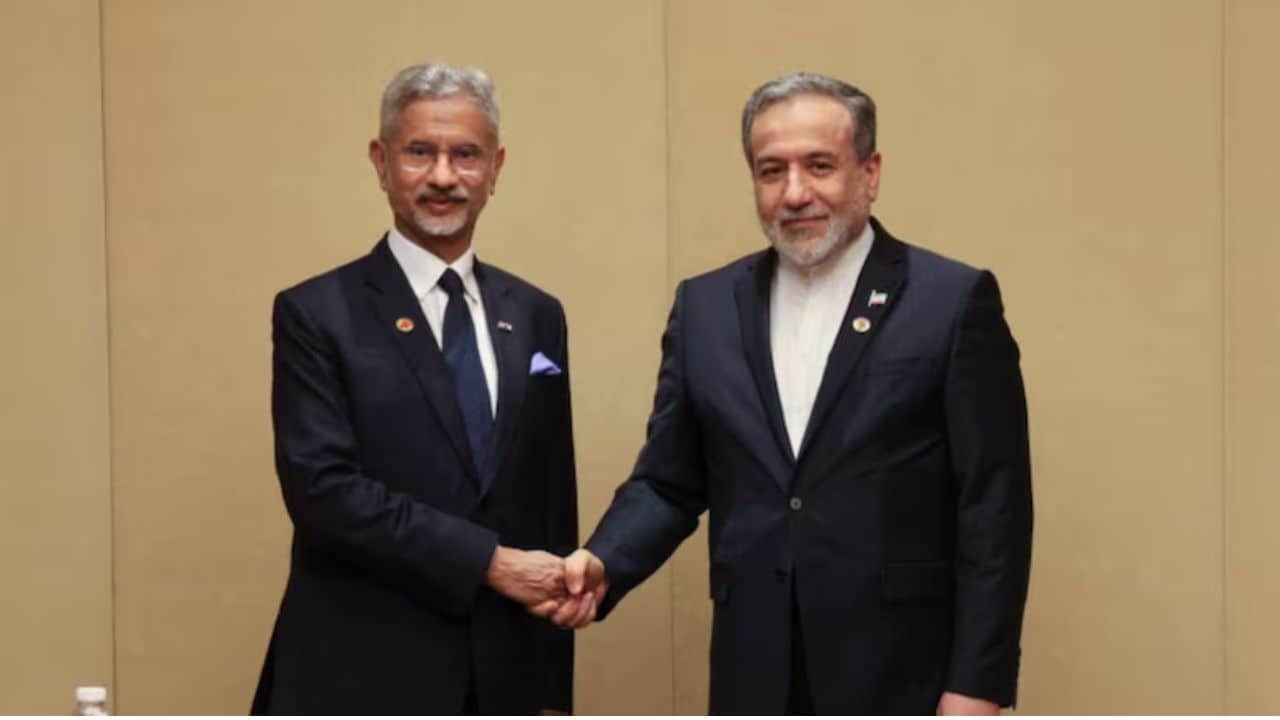
The timing couldn't be messier. Iranian Foreign Minister Abbas Araghchi's likely visit to New Delhi for the BRICS ministerial meet on May 14-15 isn't just another diplomatic photo op. It's a high-stakes survival play. Tehran is staring down the barrel of a regional crisis following the February strikes, and they're looking at India—this year's BRICS chair—to do something about it.
Honestly, it's a massive headache for New Delhi. India's trying to run a marathon on a tightrope, hosting the BRICS ministers one week and coordinating with the Quad soon after. On one side, you've got the U.S. and Israel; on the other, an expanded BRICS that now includes Iran, the UAE, and Saudi Arabia. Expanding on this theme, you can also read: ASEAN Energy Solidarity is a Diplomatic Fairy Tale.
The Chabahar Factor and the April Deadline
If you want to know why this meeting actually matters, look at the calendar. The U.S. sanctions waiver for the Chabahar port expired on April 26, 2026. For years, this project was India’s golden ticket to bypass Pakistan and reach Central Asia. Now, it's a liability.
India signed a 10-year deal to develop the Shahid Beheshti terminal just two years ago, committing $120 million. But with the waiver gone and U.S.-Iran tensions at a boiling point, that investment is on thin ice. Araghchi isn't coming to India just for the samosas; he’s coming to see if India has the spine to keep the port operational despite Washington’s glare. Experts at NBC News have provided expertise on this matter.
Tehran's Push for a BRICS Statement
Araghchi has already been busy on the phone with S. Jaishankar. He’s been pushing for BRICS to take a "constructive role" in global stability. In plain English? He wants a joint statement from the 11-member bloc condemning the recent military actions against Iran.
This puts India in a spot.
- China and Russia would love a statement that bashes Western "aggression."
- The UAE and Saudi Arabia are sitting in the same room but are extremely wary of Iran's regional moves.
- India wants to keep BRICS focused on economic cooperation and the Global South, not turn it into an anti-West firing squad.
Why You Should Care About the May 14-15 Meet
It’s easy to tune out "ministerial meetings," but this one impacts your wallet. The Strait of Hormuz is twitching. Two U.S. vessels were recently reported stranded there, and any further escalation sends oil prices into a tailspin.
If Araghchi and the Gulf representatives can find a way to coexist in New Delhi without a public meltdown, it signals a cooling of tempers. If the meeting fractures, expect energy markets to freak out. India’s job is to play the "middle power" and keep everyone talking. It’s a thankless task, but somebody has to do it.
Don't expect a massive breakthrough. Diplomacy at this level is about small, grinding moves. Watch for the joint communique at the end of the summit. If it’s vague and focuses on "multilateralism," India won. If it’s sharp and divisive, we’re in for a very rocky summer.
Keep an eye on the side-line meetings. The real business usually happens in the hallways between the main sessions, especially regarding the future of the International North-South Transport Corridor (INSTC). If India and Iran can find a way to keep the trucks moving without triggering secondary sanctions, that’s the real win.
Iran Foreign Minister's take on BRICS and Global Security
This video provides the necessary background on Abbas Araghchi's recent diplomatic blitz and why Iran is leaning on its BRICS partners during this period of high tension.