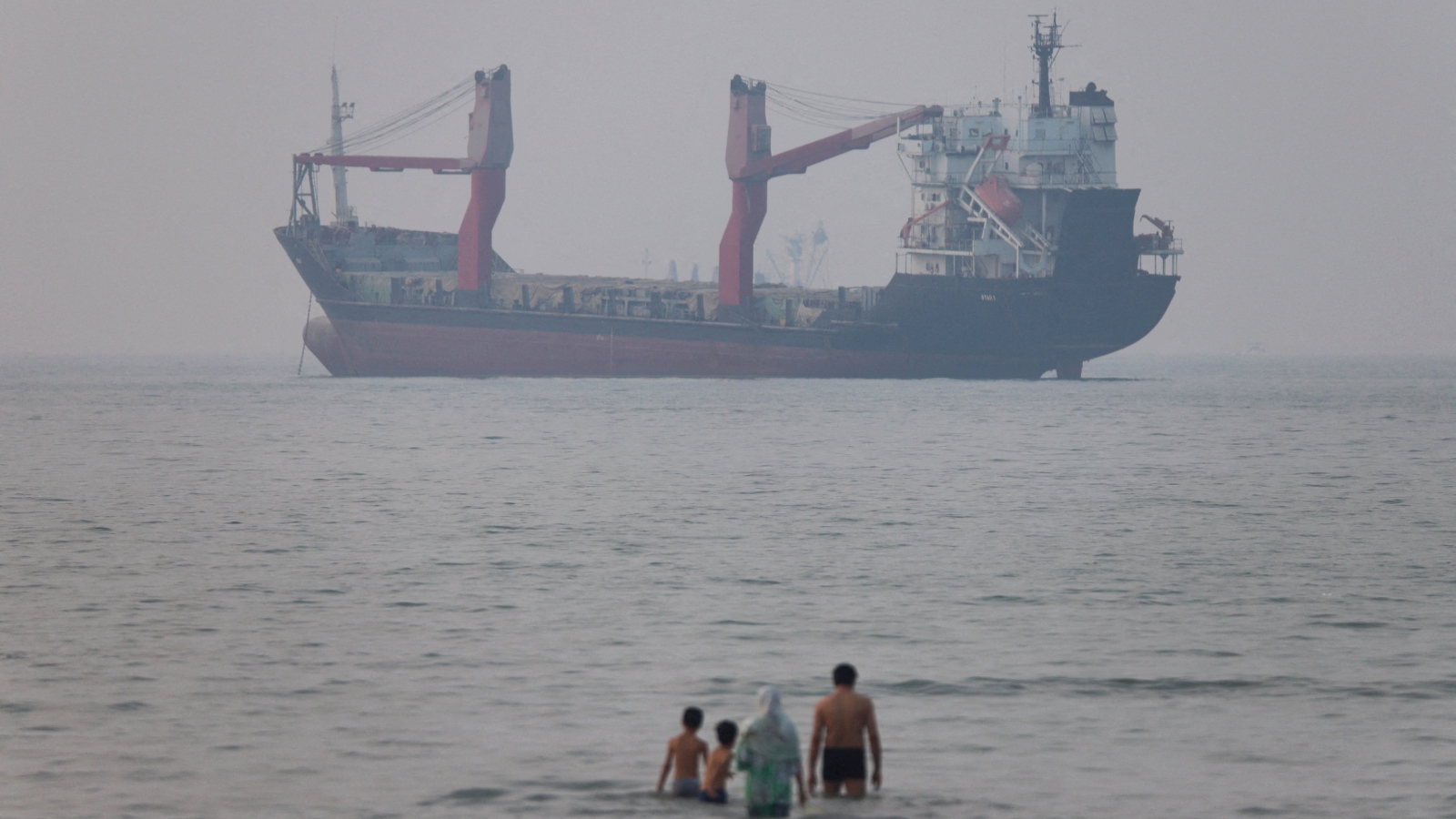
Cargo vessels are shifting paths through the Persian Gulf, and satellite numbers tell a striking story. More than eighty percent of ship transits through the Strait of Hormuz recently leaned toward the southern Omani coastal channel, completely sidestepping the Iranian-favored routes.
If you watch global energy chokepoints, you know this shift matters. Tehran spent months trying to lock down the waterway, enforce arbitrary tolls, and dictate who gets to move crude oil and liquefied natural gas. But fresh tracking data from analytics firms like Kpler shows that the Islamic Revolutionary Guard Corps is losing its monopoly on maritime fear. US naval escorts and patrols are changing the math for commercial operators. If you liked this post, you might want to read: this related article.
What the Shipping Data Actually Reveals
Let's look at the numbers. A month ago, the Omani-side shipping corridor saw barely any traffic because captains feared getting hit by Iranian attacks or warning shots. Today, that UN-authorized route handles the vast majority of transits.
Tankers are taking calculated risks. Kuwait, Saudi Arabia, and the United Arab Emirates are chartering massive crude carriers to move oil through the corridor before offloading cargo outside the danger zone in the Gulf of Oman. Some vessels even switch off their transponders for weeks, creating a ghostly trail of dark traffic that satellites struggle to fully map. For another look on this story, check out the latest coverage from TIME.
Even so, total combined oil flows, including rerouted volumes, are climbing back toward fifteen million barrels per day. That is getting closer to pre-war averages, proving that maritime trade finds a way around blockades when protection is available.
Why Iran's Strategy Is Backfiring
Tehran wanted absolute authority over the strait. Instead, they got a fracturing of their influence.
When the Iranian military tries to enforce transit fees or stop passing ships, the presence of US warships provides enough deterrence for commercial captains to keep moving. Energy market experts point out that Iran was never entirely in charge of the entire channel; they simply relied on intimidation. Now that patrol fleets are backing up the alternative routes, that intimidation loses its bite.
Of course, danger hasn't vanished. The region remains volatile, and separate backchannel talks between Iran and Oman show that diplomacy is moving at its own unpredictable speed. Tehran still has the capability to disrupt shipping, but their administrative grip is slipping fast.
Watch the Omani channel metrics over the next few weeks. If those high transit percentages hold steady, the era of unilateral Iranian control over the world's most vital energy artery is officially over.