You've probably seen the headlines about the "2026 Iran War" or the latest failed marathon talks in Islamabad. Honestly, if you feel like you’ve been reading the same story for twenty years, it’s because you have. We’re currently trapped in a cycle where diplomacy is just a placeholder for the next round of airstrikes.
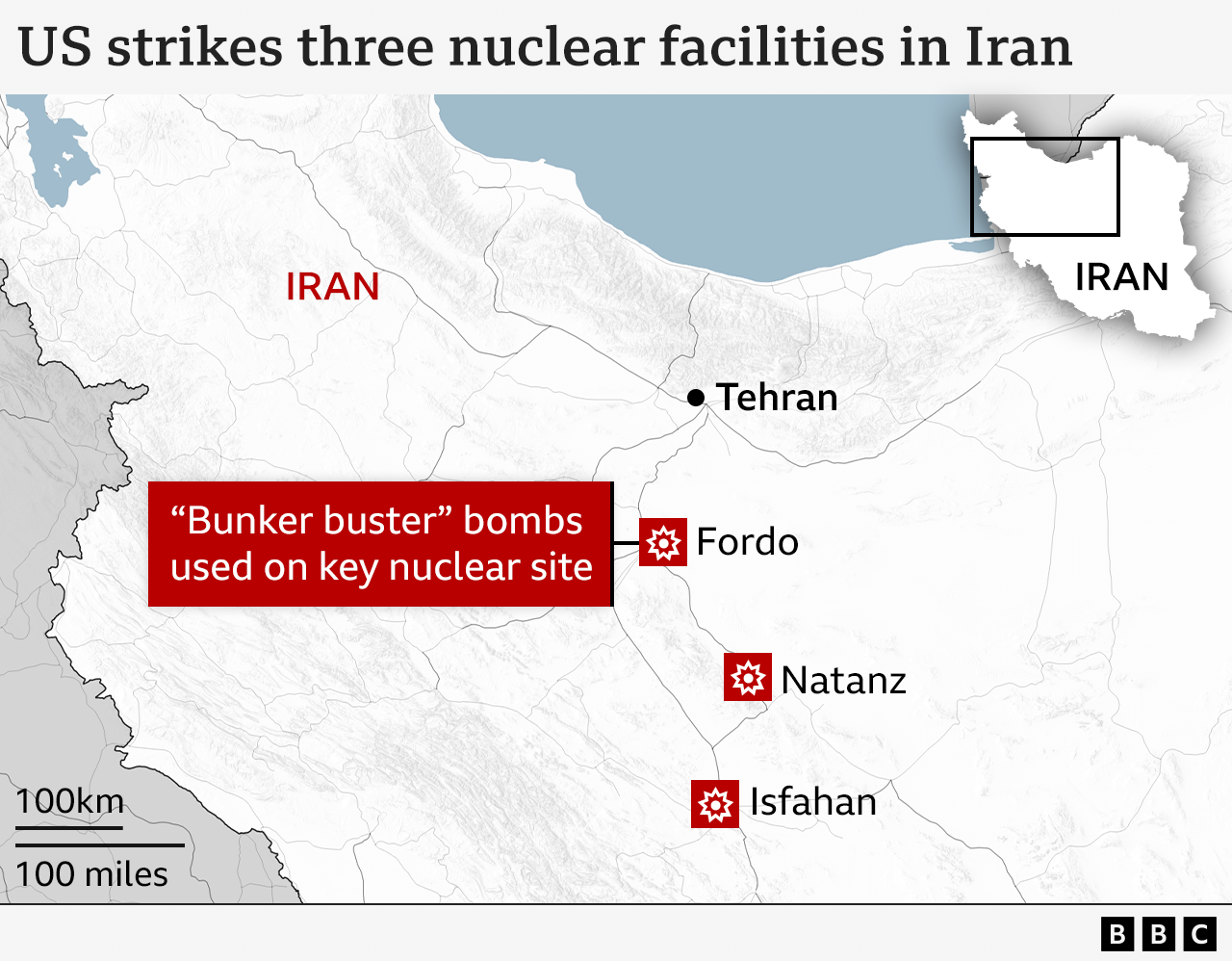
As of April 12, 2026, the situation isn't just a standoff; it's a breakdown. After the massive US and Israeli strikes in February and the June 2025 "Operation Midnight Hammer," the diplomatic path hasn't just narrowed—it's basically vanished. While Vice President J.D. Vance attempts to salvage a deal in Pakistan, the reality on the ground is that Iran’s nuclear program is now a black box.
The Illusion of Control and the 60% Problem
For years, the international community obsessed over enrichment percentages. We treated the 3.67% limit of the 2015 JCPOA like a holy grail. Then it was 20%, then 60%. Now, we’re dealing with a reality where percentages barely matter anymore because we don't even know where the material is.
Before the June 2025 airstrikes, the IAEA confirmed Iran had roughly 441 kilograms of 60% enriched uranium. To put that in perspective, that’s enough fissile material for several nuclear devices if they just pushed it that last little bit to 90%. But since those strikes, the IAEA has lost its eyes. Surveillance cameras are gone. Inspectors are barred.
The US claims its satellites are watching every move, but the IAEA is much more skeptical. Rafael Grossi, the Agency’s chief, has been blunt: they can't verify the location or the condition of the stockpile. Iran has spent the last year moving containers between tunnels and blocking satellite views. You can't negotiate a "deal" when you aren't 100% sure what you're asking the other side to give up.
Two Decades of Failing Forward
Why does every deal fail? It’s not just "bad luck." It’s a fundamental mismatch in what both sides want. Since 2003, the West has viewed the nuclear issue as a technical problem to be solved with checklists and inspectors. Iran views it as a survival issue and a source of leverage.
- 2015 (JCPOA): The peak of diplomacy. It worked, until it didn't. When the US pulled out in 2018, it proved to Tehran that any deal is only as good as the current resident of the White House.
- 2024-2025: A period of "shadow war" turned loud. After the 2024 missile exchanges, the hope for a "JCPOA 2.0" died.
- 2026: We've moved past "pressure" into active conflict.
The current Trump administration is betting on "regime change from the skies," even if they don't use those exact words. But history shows that bombing a nuclear program usually just drives it deeper underground. The Fordow facility, buried under a mountain, was a response to earlier threats. The new sites being carved into the mountains today are a direct result of the 2025 strikes.
The New Leadership Factor
We aren't dealing with the same Iran from five years ago. The death of Supreme Leader Ali Khamenei and the rise of Mojtaba Khamenei has shifted the internal math. The "reformist" hope under Masoud Pezeshkian in late 2024 was short-lived, crushed by the economic weight of sanctions and the 2026 protests.
The regime is backed into a corner. They’ve closed the Strait of Hormuz, they’re demanding reparations for the $300 billion in damage from recent strikes, and they’re asking for payments in Chinese yuan. This isn't just about centrifuges anymore. It’s about a total regional realignment. Iran knows that as long as they have that 60% uranium hidden somewhere, the US can't truly "win" the war without a full-scale invasion—something no one in Washington actually wants.
Why Diplomacy Keeps Hitting a Wall
The core issue is trust, which is a cliché, but it's true. Iran won't ship its uranium out because it’s their only insurance policy against being toppled. The US won't lift sanctions because they don't believe Iran will ever stop enrichment.
Here’s what’s actually happening behind the scenes in the Islamabad talks right now:
- The Enrichment Gap: The US wants zero enrichment. Iran says that’s a non-starter.
- The Surveillance Gap: The US wants "anytime, anywhere" inspections. Iran considers that spying.
- The Regional Gap: Iran wants the US out of the Middle East. The US just sent thousands more troops.
If you're looking for a silver lining, you won't find one in the current geopolitical climate. The "standoff" has hardened into a permanent state of low-grade war. Every time a bomb drops on a facility like Natanz or Fordow, the price of oil spikes and the Iranian resolve to get a "deterrent" (a bomb) gets stronger.
What You Should Watch Next
Don't wait for a grand "Peace Treaty" signing ceremony. It's not coming. Instead, watch these specific triggers:
- IAEA Access: If Iran allows inspectors back into the tunnel complexes destroyed in 2025, that’s a real sign of de-escalation.
- Strait of Hormuz: Keep an eye on the "tolls" Iran is trying to collect in yuan. If the US Navy starts escorting tankers through by force, the nuclear talks will be the least of our worries.
- Breakout Time: Analysts currently estimate Iran’s "breakout time" (the time to produce enough 90% uranium for one bomb) is effectively zero. The material exists; it just needs the final spin.
Stop thinking about this as a "standoff" that can be resolved. Start viewing it as a permanent crisis that needs to be managed. The two-decade history of failed deals isn't a series of mistakes—it’s the reality of two powers that want completely different versions of the Middle East.
If you want to stay informed, pay less attention to the speeches and more to the satellite imagery of the Iranian mountains. That’s where the real "negotiations" are happening.