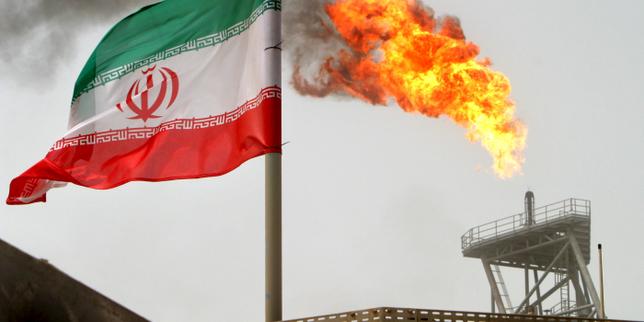
The Middle East just hit a terrifying new gear. As of March 14, 2026, the two-week-old war between Iran and the U.S.-Israeli coalition has shifted from targeted military strikes to a direct threat against the world’s most vital commercial arteries. For the first time, Tehran isn't just targeting "enemy assets"—it’s ordering civilians to flee the busiest ports in the region, including Dubai’s Jebel Ali.
If you're wondering why this matters more than the previous ten days of missile exchanges, look at a map. Jebel Ali isn't just a harbor; it's the lungs of global trade. By telling people to get out now, Iran is signaling that the "limited" phase of this conflict is over. They're basically admitting that if their own ports like Bandar Abbas are going to be turned into craters, they'll ensure the rest of the Gulf burns with them.
The Evacuation Orders Are Not A Bluff
This weekend, the Iranian military issued urgent warnings for civilians to evacuate the areas surrounding Jebel Ali in Dubai, Khalifa Port in Abu Dhabi, and the Fujairah oil hub. The logic from Tehran is simple and brutal: they claim the U.S. is using these "civilian hideouts" to launch strikes on Iranian soil.
You should know that while the U.S. and Israel have been hammering Iranian naval bases and IRGC command centers since February 28, they’ve largely avoided hitting the massive commercial infrastructure of the Arab Gulf states. Iran just tore up that rulebook. By naming these specific ports, they’ve effectively put a bullseye on the global economy.
Don't buy the "humanitarian" spin on these evacuation warnings. It's a psychological weapon. It’s designed to cause immediate panic in the shipping insurance markets and force a mass exodus of the expatriate workforce that keeps the UAE running. If Jebel Ali stops moving containers, the supply chain shock will make the 2021 Suez Canal blockage look like a minor traffic jam.
Why The Port Of Bandar Abbas Is The Trigger
While Iran is pointing the finger at Dubai, the real story is what’s happening at home. Reports from earlier this week confirm that U.S. and Israeli strikes have already devastated the radar systems and naval docks at Bandar Abbas. The Iranian navy ship Bandar Lengeh is already at the bottom of the harbor.
The regime is backed into a corner. Their main container terminal, Shahid Rajaee, is paralyzed because no commercial insurer will touch a ship headed for an Iranian dock right now. I’ve seen data suggesting Iran is down to a 14-day supply of grain and poultry feed. They are facing a "caloric chokepoint" that could trigger domestic collapse faster than any bunker-buster missile.
When a regime faces starvation and total naval irrelevance, they lash out. That’s what we’re seeing with the threats against the UAE. It’s a desperate attempt to create leverage. They want the world to scream for a ceasefire because the price of a gallon of gas or a shipping container just tripled overnight.
Breaking Down The Two Week Escalation
It's hard to believe we're only in the third week of this. Operation Epic Fury (the U.S. side) and Operation Roaring Lion (Israel) started with the decapitation of Iran’s top leadership, including the death of Supreme Leader Ali Khamenei. Since then, the momentum hasn't stopped.
- The Air War: Over 900 strikes occurred in the first 12 hours alone.
- The Naval Toll: At least 60 Iranian vessels have been sunk or disabled.
- The Regional Spillover: Drones have hit oil facilities in Fujairah and even targeted the U.S. Embassy in Baghdad.
- The Civilian Cost: While the coalition claims to target the IRGC, "collateral damage" is mounting, including a tragic strike near Minab that reportedly killed 170 people.
The conflict has evolved from a "surgical" operation into a messy, multi-front regional war. Iran’s proxies in Lebanon and Iraq are no longer acting as buffers; they are fully engaged, and the result is a chaotic web of fire that stretches from the Mediterranean to the Indian Ocean.
What This Means For You Tomorrow
Honestly, the immediate impact isn't just about geopolitics—it’s about your wallet and your security. If you have interests in the Middle East, "wait and see" is no longer a viable strategy.
The Strait of Hormuz is now a de facto no-go zone for anything without a gray hull and a deck gun. Even if the Strait isn't "officially" closed, the withdrawal of war-risk insurance has the same effect. Ships are staying away. This means electronics, car parts, and energy supplies are about to hit a massive bottleneck.
You’re also going to see a shift in how the U.S. handles its "neutral" partners. Countries like the UAE and Saudi Arabia are being told by Iran that their neutrality won't save them if they host U.S. assets. This puts the Gulf monarchies in an impossible position: double down on the U.S. defense umbrella or watch their shiny, high-tech ports turn into smoking ruins.
Practical Steps To Take Now
If you're tracking this for business or personal safety, stop looking at the day-to-day headlines and start looking at the logistics.
- Secure Supply Chains: If your business relies on transit through the Persian Gulf, assume that route is dead for the next 90 days. Divert to Cape of Good Hope routes immediately, despite the added cost and time.
- Expatriate Safety: If you have staff in Dubai or Abu Dhabi, the evacuation orders—even if they're "threats"—mean the risk profile has changed. Have an exit plan that doesn't rely on the main airports, which are also high-probability targets.
- Energy Hedging: This isn't just a spike; it's a structural shift. Expect oil volatility to remain extreme until there is a clear successor to the Iranian regime who is willing to talk.
The war has entered a phase where the target isn't just a military base—it's the very idea of regional stability. Iran's move to threaten Jebel Ali proves they're willing to take everyone down with them. Don't wait for the first missile to hit the Dubai skyline before you decide this is real. It's already happening.