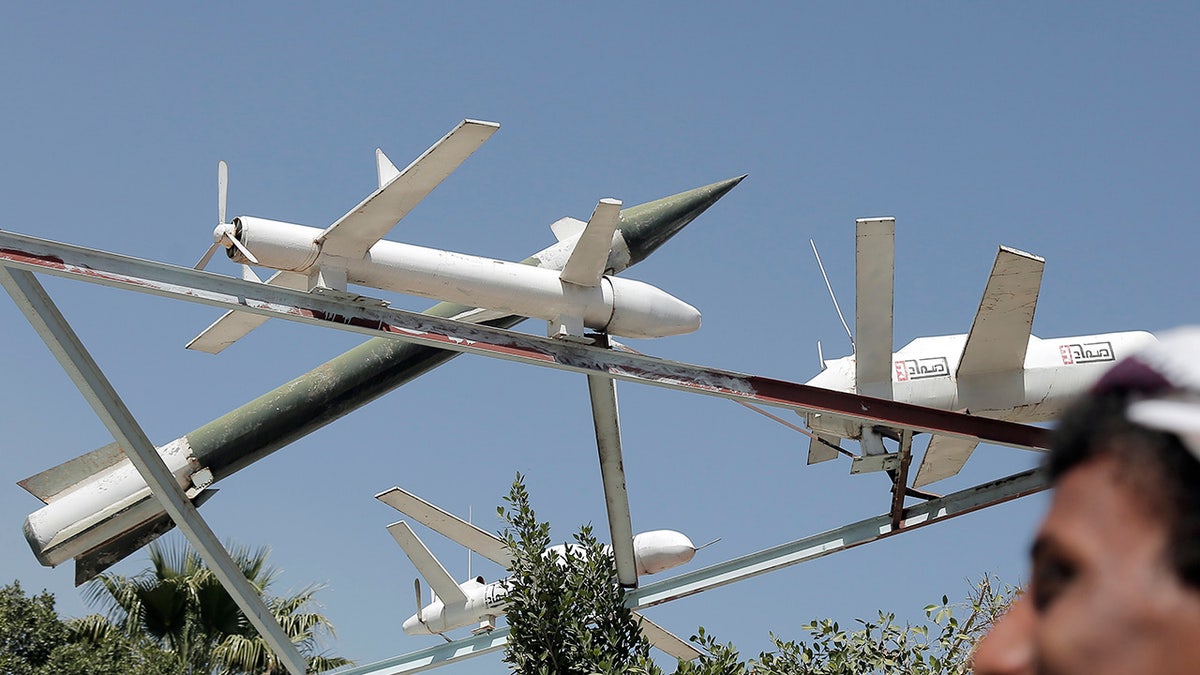
When drones launched from Iraqi soil strike critical energy infrastructure across the border in Saudi Arabia, they do more than disrupt global oil flows. They expose the raw, unvarnished limits of state authority in Baghdad. Prime Minister Ali al-Zaidi faces an impossible balancing act: trying to project the image of a sovereign leader who commands his own territory while powerful paramilitary networks operate with near-total impunity.
Every time cross-border attacks happen, the illusion of a centralized state monopoly on force shatters. You can't claim full control over your military apparatus when rogue launch platforms are discovered parked in southeastern provinces right under the nose of local security commanders.
The Reality of Parallel Networks
The standard narrative in international media often paints Iraqi armed groups as a monolithic block taking direct orders from Tehran. The ground reality is far messier. Recent security probes following strikes on Saudi oil assets have uncovered splinter cells and shadow networks. These actors draw from established factions like Kataib Hezbollah or Nujaba, yet operate through detached command structures designed specifically to give official leaders plausible deniability.
When the "Islamic Resistance in Iraq" denies responsibility—sometimes going as far as calling accusations "an honor we do not claim"—they aren't just playing semantic games. They are highlighting a structural flaw in Iraq's security ecosystem. Bringing major factions under the formal umbrella of state institutions like the Popular Mobilization Units (PMU) didn't tame them. Instead, it created a dangerous hybrid model where groups draw state salaries while maintaining independent operational capabilities.
Prime Minister al-Zaidi has tried to push back. He dismissed regional operations commanders, ordered investigations into oil smuggling rings in strongholds like Jurf Al-Nasr, and tightened enforcement on financial networks. But these moves expose a bitter truth. Firing a local police chief or transferring a general doesn't dismantle a parallel military infrastructure built over two decades.
The Dangerous Cycle of External Pressure
Washington and Riyadh watch these developments with growing impatience. Joint retaliatory strikes and economic pressure put Baghdad in the crosshairs. From the perspective of Iraqi leaders, every external strike complicates domestic politics. When foreign jets hit positions inside Iraq, it hands the armed factions a ready-made propaganda gift. They instantly pivot from being viewed as internal destabilizers to self-appointed defenders of national sovereignty.
This creates a self-fulfilling loop. Weak state control invites foreign intervention. That intervention gives armed actors justification to retain their arsenals. And those very arsenals trigger the next round of cross-border attacks.
Al-Zaidi's administration is caught in the middle. Move too aggressively against the factions, and risk fracturing the fragile governing coalition or triggering targeted assassinations. Do too little, and risk losing the economic and diplomatic trust of neighbors who expect secure borders.
What Actually Changes Next
Solving this crisis requires more than cosmetic military shuffles. Baghdad cannot simply order armed networks to disarm by decree when those groups possess heavier firepower and deeper funding streams than local police units.
If Iraq wants to avoid becoming a permanent launchpad for regional proxy wars, the government has to target the economic lifelines sustaining these shadow cells. Illicit oil smuggling, border taxation, and state-funded payroll padding keep these networks alive. Until Baghdad cuts off the financial oxygen feeding independent armed groups, prime ministers will keep stumbling over the same security traps, scrambling to apologize for drones they never authorized and cannot stop.