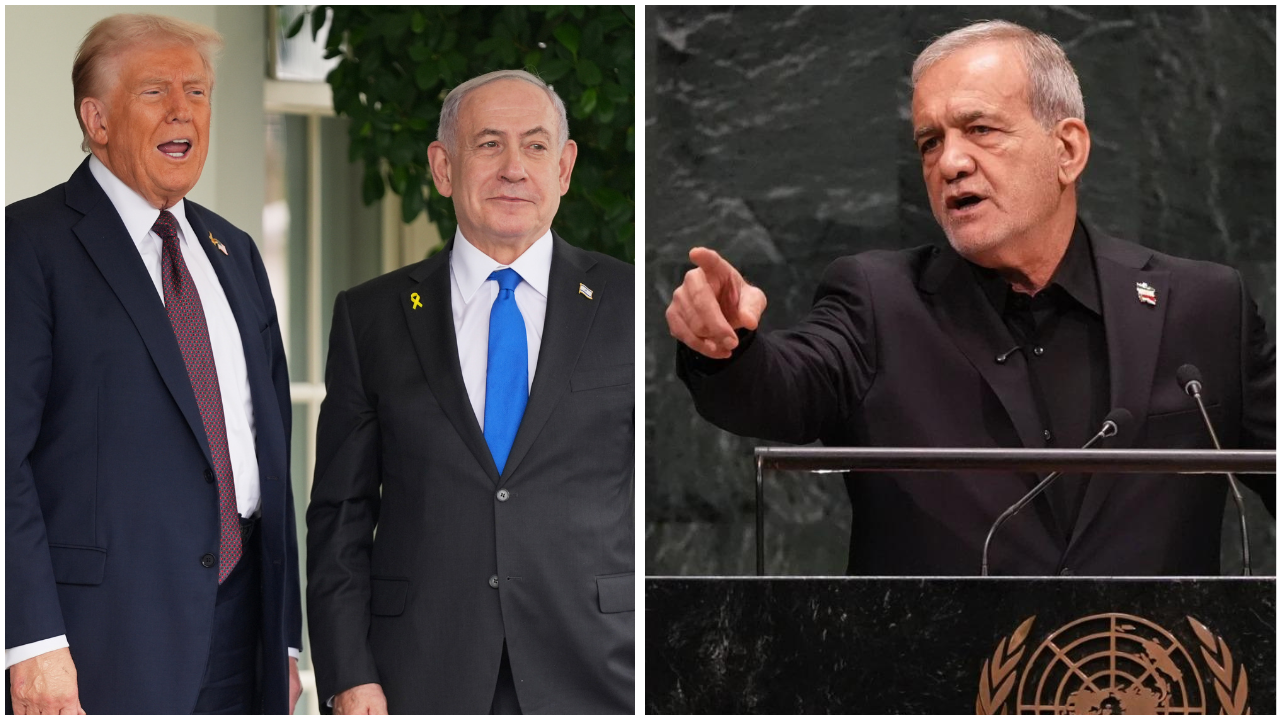
Ireland just took a sharp turn away from a rule that tied its soldiers' hands for decades. On October 21, 2026, Dáil Éireann voted 79 to 71 to end the requirement for United Nations approval before sending Irish Defence Forces personnel on overseas peacekeeping missions.
For years, Dublin's famous "triple lock" meant any significant overseas deployment needed three green lights. Cabinet sign-off. A Dáil vote. And a UN mandate or endorsement.
Scrap that third lock, and suddenly a single veto in New York no longer dictates whether Ireland can step into a crisis. Critics call it a reckless gamble with Irish neutrality. Supporters say keeping the rule meant watching Irish peacekeeping wither away while Security Council gridlock paralyzed global action.
How the Triple Lock Actually Worked in Practice
Most headlines talk about the triple lock as if it were carved into the Irish Constitution. It isn't. It's a statutory framework built through defence acts—chiefly the Defence (Amendment) (No. 2) Act 1960 and the Defence (Amendment) Act 2006—that sets domestic rules for sending troops abroad.
Under that system, deploying more than 12 Defence Forces troops overseas generally required government approval, Dáil approval, and a qualifying UN sanction via the Security Council or General Assembly. Notice the nuance there. Legal scholars point out that "UN approval" in Irish statute covered a range of resolutions, not strictly a direct UN-commanded force. Still, in practice, Security Council politics loomed over almost every serious debate.
Even before the October 2026 vote, the rule had plenty of built-in quirks. Unarmed deployments or tiny contingents of up to 12 personnel had exceptions under the law. Yet for major missions, the UN requirement acted as a gatekeeper that handed outside powers—including permanent Security Council members with veto power—an indirect say over what Ireland's military could or couldn't do.
Why Dublin Decided the Old Rule Was Broken
From the government's perspective, the triple lock stopped looking like a shield and started looking like a padlock. When great-power rivalries stall or deadlock the Security Council, peacekeeping missions get blocked, delayed, or tangled in diplomatic paralysis.
Taoiseach Micheál Martin and coalition ministers have argued that sticking rigidly to the old UN requirement would hollow out Ireland's peacekeeping role. Look at what happened around Operation Irini or debates over deployments in places like Lebanon: when UN mandates or political dynamics shift, Irish policymakers have warned that holding out for a Security Council green light can sideline Irish personnel even when humanitarian or stabilization needs are urgent.
There's also a blunt realpolitik point here. Sinn Féin and other critics have pointed out the absurdity of a country like Russia—wilfully violating the UN Charter in Ukraine—sitting on the Security Council with veto power that could constrain Irish foreign policy decisions. Once Dublin saw foreign vetoes shaping its own security choices, reforming the mechanism became less of a theory and more of a political priority.
The Neutrality Backlash and What Critics Get Right
If you think this vote settled anything in Irish politics, think again. The 79–71 margin shows just how raw the nerve is.
Sinn Féin leader Mary Lou McDonald and opposition TDs have slammed the bill as a backdoor shift away from military neutrality without putting the question to voters in a referendum. Their core fear isn't just about one mission; it's about direction. Remove the UN requirement, and critics warn Ireland could slide closer to EU defense structures or Western military alignment in ways previous generations of Irish leaders resisted.
Opposition lawmakers have also raised sharp questions about domestic accountability—including concerns over proposals around Dáil oversight thresholds for smaller troop numbers and what kinds of missions might qualify beyond traditional peacekeeping.
Removing a statutory veto doesn't automatically erase Ireland's non-membership in NATO, but it does change who gets to say "no" when Dublin weighs an overseas deployment.
Honest observers on both sides have to admit something uncomfortable. Neutrality in Europe doesn't exist in a vacuum anymore. Russia's war in Ukraine, shifting geopolitical alliances, and friction around peacekeeping mandates have forced every European state—neutral or not—to confront hard trade-offs between legal purity and practical relevance.
What Changes for Overseas Peacekeeping Missions Next
Passage of the bill in the Dáil is a major milestone, not the final curtain. The government has pushed to move the legislation toward enactment, while political sparring over troop safety, mission remits, and parliamentary amendments continues in Leinster House.
If the reform takes full effect as intended, here is what shifts on the ground:
- No single Security Council veto over Irish participation: Dublin won't need UN authorization as a domestic prerequisite to join qualifying international operations.
- More weight on Irish executive and parliamentary checks: Decisions around deployments will lean more heavily on government policy and Dáil scrutiny rather than external UN gridlock.
- Sharper political scrutiny over every deployment: Because the UN stamp of approval acted as political cover for past governments, every future mission will face tougher domestic debate over neutrality and mandate legitimacy.
One common misconception is that ending the UN approval requirement means Irish troops can suddenly be sent anywhere for any reason without rules. That's simply not how Irish law or international law works. Deployments still require domestic authorization and remain bound by international legal obligations and Ireland's broader foreign policy framework.
How to Follow This Debate Without Getting Lost in Spin
When a story touches neutrality, UN vetoes, and military deployments, political rhetoric gets loud fast. Both sides have strong incentives to frame the change in dramatic terms—either as a rescue of Irish peacekeeping or a betrayal of historic neutrality.
If you want to track how this unfolds and judge the arguments for yourself, take three practical steps:
- Read the exact legislative text and Dáil debates: Check the Oireachtas debates and legislation records rather than relying solely on partisan soundbites to see which missions, troop thresholds, and international bodies are covered.
- Distinguish statutory rules from constitutional neutrality: Pay attention to what is written in Defence Acts versus what sits in Bunreacht na hÉireann (the Irish Constitution) and international law.
- Watch upcoming mission mandates and amendments: Look closely at how future deployments—and any Dáil amendments on oversight and mission scope—are justified by ministers and challenged by the opposition.