The wind does not whisper through the ravines of Yemen; it howls with the weight of unexploded iron and dry dust.
Stand on the ridges overlooking the southern approaches, and you can smell it—sulfur, burnt diesel, and the stubborn tang of ancient earth refusing to yield. For years, the valleys have belonged to shadows. Figures moving by night, hauling crates of smuggled hardware through goat paths, answering to distant capitals that care nothing for the terraces where grandparents once grew coffee.
Then came the roar.
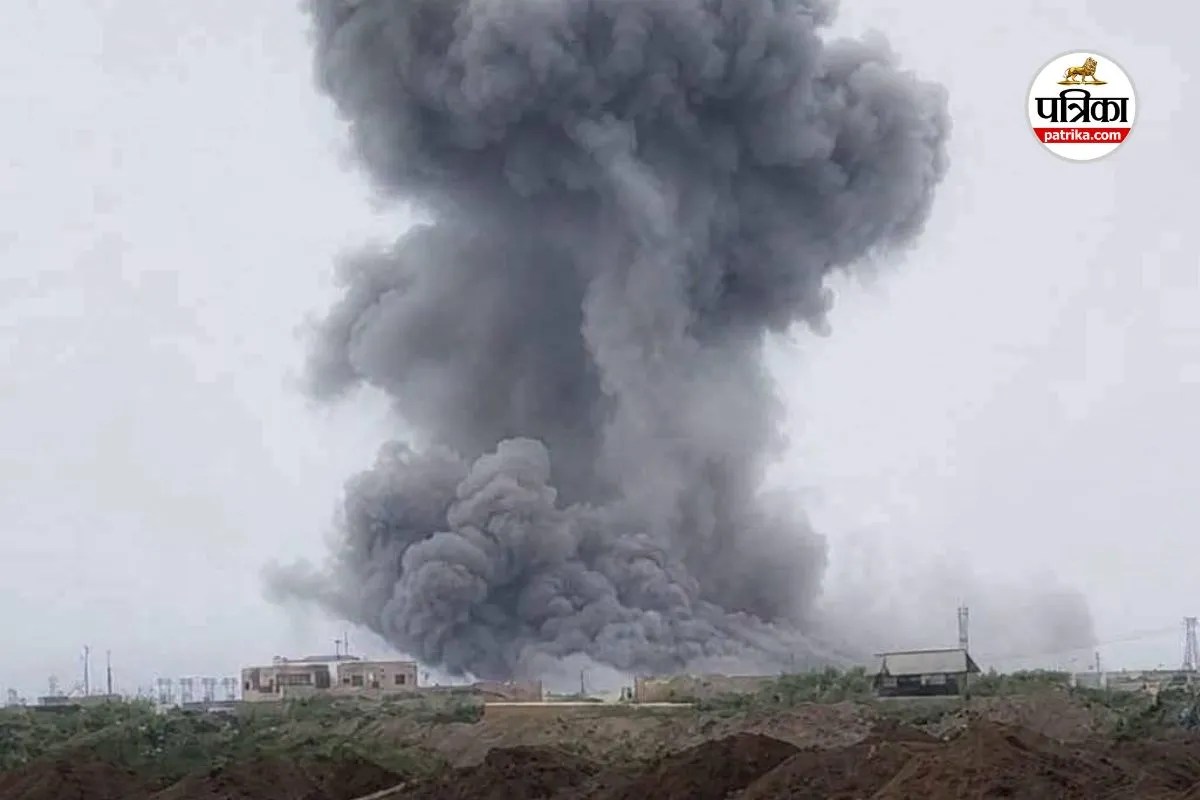
It was not a distant rumble. It tore across the mountain silence like thunder trapped in a canyon. Across the rugged terrain, heavy artillery batteries adjusted their elevation, shells loaded with purpose, aimed at the logistical arteries feeding the Houthi movement. Behind those guns stood the Saudi-backed Yemeni forces—men fighting for a fractured map they still call home.
This is not a story about abstract geopolitics. It is a story about the exact second a static stalemate shatters.
The Weight of the Chain
To understand why artillery fire echoes so loudly against the cliffs, you have to trace the invisible chain stretching outward from the Bab-el-Mandeb strait all the way to Tehran.
Imagine a cargo manifest written in cipher. Inside crates marked as agricultural machinery or routine hardware lie the disassembled components of ballistic systems and long-range drones. For months, maritime lanes pulsed with these deliveries. The Houthi administration in Sanaa grew bolder, trading domestic grievances for regional leverage, turning red sea shipping lanes into a personal hostage crisis.
Every launch site carved into a rocky hillside represents a choice made thousands of miles away.
Tariq, a forty-two-year-old commander stationed near the lines, remembers what peace looked like before the war smelled like cordite. He sits in a stone enclosure, nursing lukewarm tea from a chipped glass, his fingers tracing the frayed strap of his binoculars.
"They tell us we are fighting a local militia," Tariq says, his voice flat, worn down by decades of salt air and tension. "They look like neighbors. They speak our dialect. But the drones they fly are not forged in our valleys. The coordinates come from outside. We are standing between our homes and a permanent outpost for foreign ambition."
When the artillery finally opened fire, it was an answer to a mounting accumulation of unanswered strikes. The positions targeted were not random outcrops. They were entrenched redoubts, radar installations, and missile holding pens designed to keep the Red Sea burning.
The Cost of Silence
For too long, the international response to the missile volleys has been reactive. Interceptors launch from grey hulls miles offshore, turning million-dollar interceptors into modern fireworks display while the root cause remains untouched in the highlands.
That strategy has a flaw. It treats the smoke while ignoring the fire.
The recent escalation by the Saudi-backed forces marks a brutal pivot. Silence is no longer an option when logistics networks threaten to choke regional commerce and permanently partition a country already bleeding from a thousand cuts. The cannon fire rolling across the ridges is an assertion of gravity. Actions have physical limits.
Consider what happens when a single heavy barrage lands on a Houthi supply depot hidden in a dry riverbed. The secondary explosions ripple for hours. Truck beds twist into grotesque sculptures of hot steel. The fuel bladders rupture, painting the canyon walls in black soot.
It looks chaotic from the air, a pixelated video feed broadcast to war rooms in Riyadh, Washington, and London. But on the ground, it smells of burnt rubber and fear. It is the sound of supply lines snapping.
Beyond the Horizon
The friction in Yemen is layered like sedimentary rock. You cannot peel back one layer without disturbing the history beneath it.
Decades of central government neglect created the fertile soil where radical ideologies and well-funded insurgencies take root. When people have no clean water, no electricity, and no economy, an AK-47 and a steady paycheck from an external benefactor look less like a weapon and more like survival.
Yet, survival for one group often means the subjugation of another.
The families huddled in the contested border zones know this calculus intimately. They do not read policy papers. They listen for the whistle overhead. They count the seconds between the flash and the blast to gauge how close the danger has crept to their stone houses.
When the heavier guns speak, the civilians hold their breath. They know that every successful strike against a missile platform brings a brief reprieve from the incoming fire, but they also know that retaliation is never far behind. It is a grim pendulum swinging back and forth across a shattered landscape.
The Final Reckoning
The cannon smoke clears slowly in the thin mountain air, leaving behind gray plumes that mix with the evening fog.
Down in the valleys, the trucks are silent. The launch crews have scattered into caves or retreated deeper into urban cover, blending back into the civilian population that bears the ultimate cost of every tactical decision. The artillery barrels cool, pinging softly in the quiet as the desert night rushes in to reclaim the peaks.
Nothing is permanently resolved by a single barrage. The supply lines will find new routes, hidden deeper underground, smuggled through tighter passes, funded by accounts that never sleep.
Yet, something has shifted in the stone. The message sent by the heavy guns was unmistakable. The lines on the map are defended, and the cost of crossing them is rising by the shell.
High above the ridges, the first stars pierce the darkening blue, indifferent to the trenches below, indifferent to the flags that flutter over the barricades, shining down on an ancient land waiting for a morning that refuses to break.

:max_bytes(150000):strip_icc()/lake-mead-173940030-5c25228846e0fb00014e8584.jpg)
