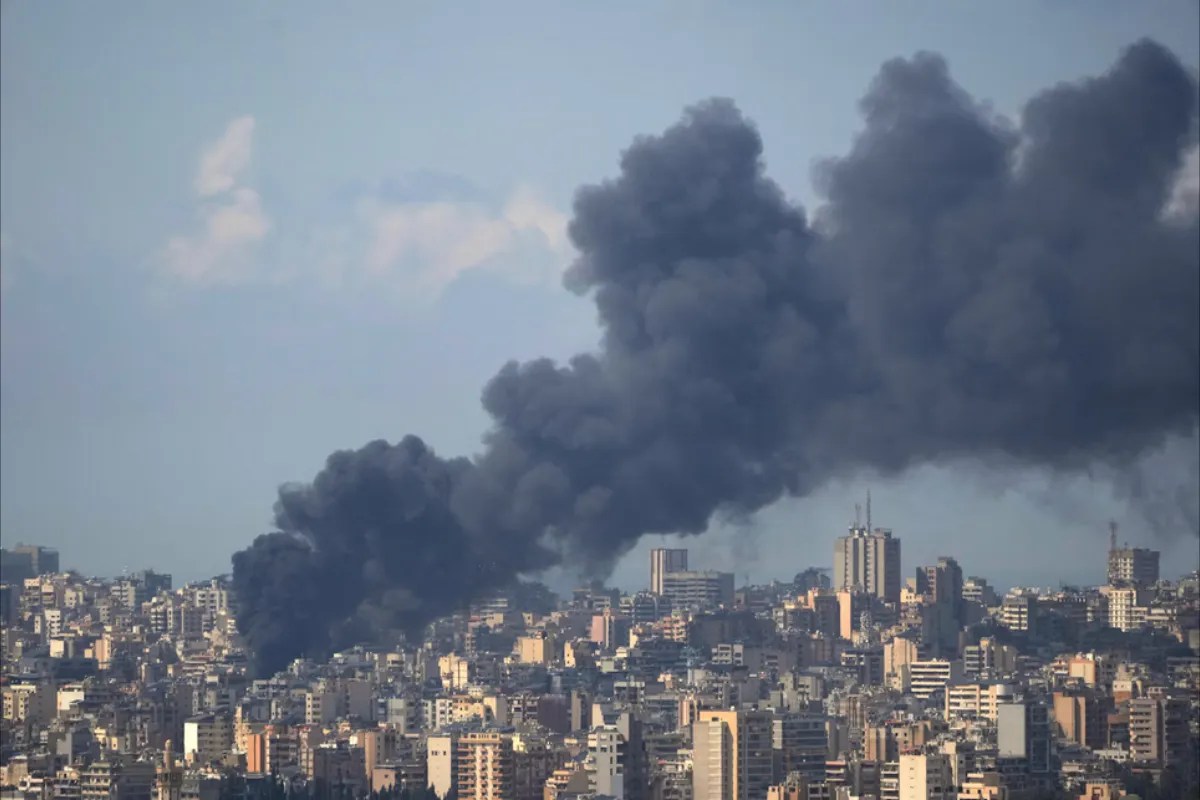
The ink on the ceasefire agreement was barely dry before the explosions in southern Lebanon began again. While Washington trumpets a diplomatic breakthrough, the reality on the ground suggests that the truce is less a resolution and more a tactical pause being exploited by both sides. Donald Trump’s public demands for an immediate end to hostilities have met the hard wall of Middle Eastern security calculations. Israel continues to strike what it terms "imminent threats," while Hezbollah’s infrastructure remains embedded in the very villages the Lebanese Army is supposed to secure.
The core of the problem lies in the enforcement mechanism of the deal. Unlike previous historical precedents where international monitors had teeth, this agreement relies on a fragile promise of self-regulation and a Lebanese military that lacks the political will to disarm Hezbollah. Israel claims its recent strikes are not violations but "preventative enforcement." This distinction is a semantic game that hides a brutal truth. If the ceasefire requires constant bombardment to maintain, it does not actually exist. For a deeper dive into this area, we suggest: this related article.
The Myth of Decisive American Pressure
The narrative that a few phone calls from Mar-a-Lago or the White House could freeze the IDF in its tracks is a fantasy. Benjamin Netanyahu is playing a high-stakes game where domestic survival outweighs the diplomatic desires of his American benefactors. By striking Lebanon during a supposed ceasefire, Israel is signaling that it will not outsource its security to a Lebanese state that it views as a proxy for Tehran.
The Lebanese government is caught in an impossible position. It is expected to push Hezbollah north of the Litani River, yet it possesses neither the firepower nor the internal consensus to do so. Sending the Lebanese Armed Forces (LAF) into the south to strip Hezbollah of its missiles would likely trigger a civil war. Consequently, the LAF does nothing, Hezbollah remains, and Israel continues to drop bombs. The cycle is predictable and devastating. For broader background on this topic, comprehensive analysis can also be found on Al Jazeera.
The Enforcement Gap
Ceasefires typically fail because of what intelligence analysts call "the verification void." In this instance, the U.S.-led monitoring committee is tasked with reporting violations, but it has no power to stop them. When an Israeli drone identifies a group of men moving equipment into a shed in a border village, the IDF does not wait for a committee meeting. They strike.
- Pre-emptive Strikes: Israel justifies these actions as "neutralizing threats before they materialize."
- Hezbollah Persistence: The group continues to utilize civilian infrastructure for cover, knowing that Israeli retaliation will provide a propaganda victory.
- The Litani Deadline: The agreement specifies a 60-day window for withdrawal, but "withdrawal" is a vague term for a group that lives in the villages it defends.
Regional Consequences of a Paper Thin Truce
This is not just a localized skirmish; it is a stress test for the incoming and outgoing U.S. administrations. If the ceasefire collapses entirely, it exposes the limits of American influence over its closest ally. For Iran, the current friction serves as a useful distraction. Every Israeli strike that kills a civilian or destroys a Lebanese home erodes the international legitimacy of the deal and fuels the next generation of recruitment for the "Axis of Resistance."
The humanitarian cost is mounting despite the official cessation of war. Thousands of displaced families who rushed back to their homes are now finding that the "peace" they were promised is interrupted by the scream of fighter jets. The psychological impact of a broken ceasefire is often worse than the war itself, as it destroys any remaining trust in diplomatic institutions.
The Intelligence Failure Within the Diplomacy
We have seen this before in 2006 with UN Resolution 1701. That resolution was supposed to do exactly what this current deal promises. It failed because it assumed Hezbollah would simply walk away from its primary base of operations. To expect a different result now, without a massive shift in the regional power balance, is a triumph of hope over experience.
The technology of modern warfare also makes ceasefires harder to maintain. With 24/7 drone surveillance, Israel sees every movement. With long-range precision rockets, Hezbollah can strike without moving a single truck. In such a high-friction environment, the "gray zone" between war and peace is where most of the fighting actually happens.
The Strategic Calculation of Benjamin Netanyahu
Netanyahu knows that the American political transition creates a unique window of opportunity. By pushing the envelope now, he sets a baseline of "active enforcement" that he hopes the next administration will accept as the new normal. He is gambling that no U.S. leader will actually pull the plug on military aid over a few strikes in Lebanon, regardless of what the ceasefire documents say.
This isn't about a lack of communication between Washington and Jerusalem. It is about a fundamental disagreement on what a ceasefire is. For Washington, it is an end to the shooting. For Jerusalem, it is a license to shoot more precisely.
The Lebanese people are the ones paying for this semantic dispute. If the international community cannot find a way to actually secure the border and provide the LAF with the authority to govern, the ceasefire will remain nothing more than a headline. The reality is that as long as the underlying reasons for the conflict—Hezbollah’s presence and Israel’s security fears—remain unaddressed, any "peace" will be measured in hours, not years. The bombs falling on Lebanon today are a reminder that a signed piece of paper is no match for a missile.