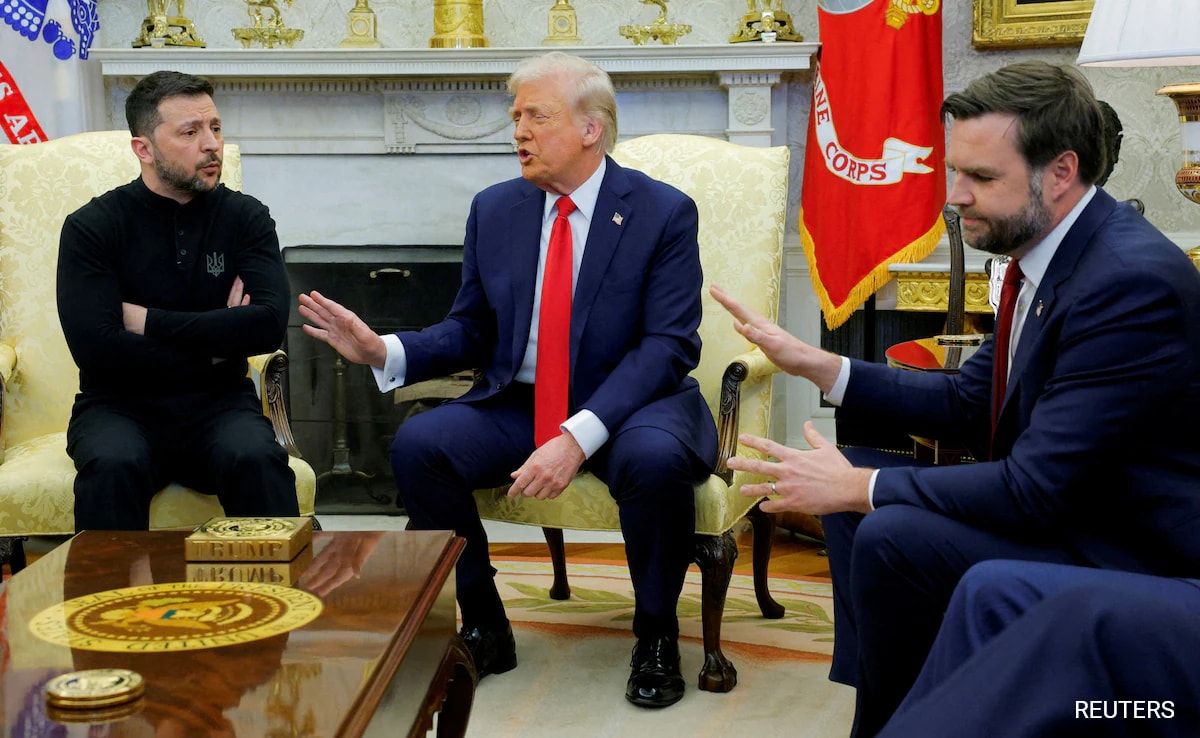
JD Vance isn't sugarcoating it anymore. During a high-profile visit to Budapest on April 8, 2026, the Vice President admitted that the Russia-Ukraine conflict has become the "hardest war to solve." It’s a blunt admission coming from an administration that once suggested a deal could be struck in twenty-four hours.
The reality on the ground in 2026 is messy. The war is entering its fifth year. While the U.S. has recently flexed its diplomatic muscles to secure a ceasefire with Iran, the European front remains a stubborn, grinding stalemate. Vance’s comments in Hungary weren't just a status update; they were a signal that the U.S. is losing patience with the slow pace of European diplomacy and the rigid stances held by both Kyiv and Moscow.
The few square kilometers problem
Vance’s primary frustration seems to be what he calls "haggling." According to the Vice President, the two sides are currently fighting over tiny slivers of land while the body count continues to climb.
"We’re talking about haggling at this point over a few square kilometers of territory," Vance told reporters. He posed a rhetorical question that likely didn't sit well in Kyiv: Is a small patch of dirt worth the lives of hundreds of thousands more young men? For Vance, the answer is a flat "no."
This perspective ignores the emotional and sovereign weight of those "few kilometers" for Ukrainians, but it perfectly captures the Trump administration's "America First" realism. They see a map; they see a stalemate; they see a bill that’s too high to keep paying.
What the negotiations actually look like right now
Despite the "hardest war" label, Vance claimed there is "significant progress." Here’s what’s actually happening behind the closed doors of trilateral talks in places like Abu Dhabi:
- Positions are narrowing: The U.S. has reportedly collected "pieces of paper" from both sides where their demands are finally starting to overlap.
- The Donbas deadlock: Russia still wants full control of the Donbas, even the parts they don't occupy.
- The Constitutional wall: President Zelensky remains firm that giving up land violates the Ukrainian constitution.
- The Easter hope: Zelensky recently proposed an Easter ceasefire focused on pausing attacks on energy infrastructure. It’s a small ask, but in a war this "hard," even a holiday pause is a win.
Why Budapest was the chosen stage
It’s no accident Vance made these remarks while standing next to Viktor Orbán. The relationship between Washington and Budapest has entered what Orbán calls a "golden era." While most of Europe treats the Hungarian leader like a pariah for his ties to Putin, Vance hailed him as an "important partner for peace."
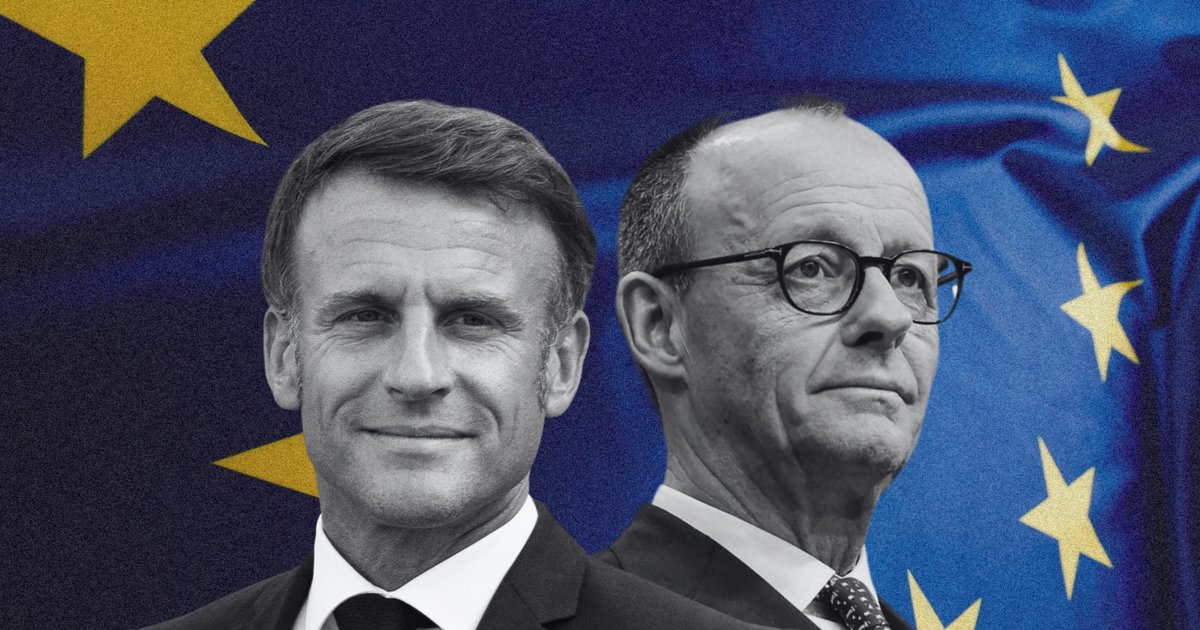
Vance used the trip to bash "Brussels bureaucrats" and other European leaders. He’s essentially arguing that most of Europe is just posturing while Orbán is the only one actually trying to understand what both sides need to stop the bleeding. It’s a divisive take, especially with Hungarian elections just days away, but it confirms that the U.S. is looking for "disruptor" allies to force a conclusion to the war.
The Vice President’s visit was also about domestic optics. By praising Orbán’s stance on migration and family policy, Vance is reinforcing the idea that the "defense of democracy" shouldn't be defined by how many weapons you send to Ukraine, but by how you protect your own borders and traditional values.
The Iran distraction and the pressure on Kyiv
There’s a bit of a "decisiveness" envy happening in Kyiv right now. After the U.S. managed to reach an agreement to de-escalate with Iran—even as oil prices hovered over $100—Ukraine is calling for that same level of American pressure to be applied to Russia.
But the situations aren't parallel. The U.S. had more direct leverage in the Middle East conflict. In Ukraine, as Vance pointed out, "it takes two to tango." The U.S. can open the door to a peace deal, but they can’t drag Zelensky or Putin through it.
The biggest hurdle isn't just the land; it's the security guarantees. Ukraine wants a "never again" promise from the West, while Russia views any Western military presence as a red line. Vance’s admission that this is the "hardest" conflict suggests the U.S. might be moving toward a "break things and leave" philosophy—pushing for any deal that stops the shooting, even if it leaves everyone involved unhappy.
What happens if the haggling doesn't stop
If you're following the money and the munitions, the window for a "clean" victory for either side has essentially slammed shut. Vance’s rhetoric suggests the U.S. will continue to move toward a "frozen conflict" model.
Expect to see more pressure on Kyiv to accept a ceasefire that doesn't officially cede territory but acknowledges "realities on the ground." It’s a bitter pill, but the administration is clearly betting that voters care more about energy prices and avoiding a wider war than they do about the specific borders of the Donbas.
If you're watching this play out, keep your eyes on the next round of trilateral talks. If the "haggling" over those square kilometers doesn't turn into a formal ceasefire soon, the U.S. might just start pulling the chair out from under the table entirely.