Everybody loves a clean narrative. Humanity loves a neat, digitized villain, a triumphant hero, and a multi-million-dollar price tag that proves we take nature seriously.
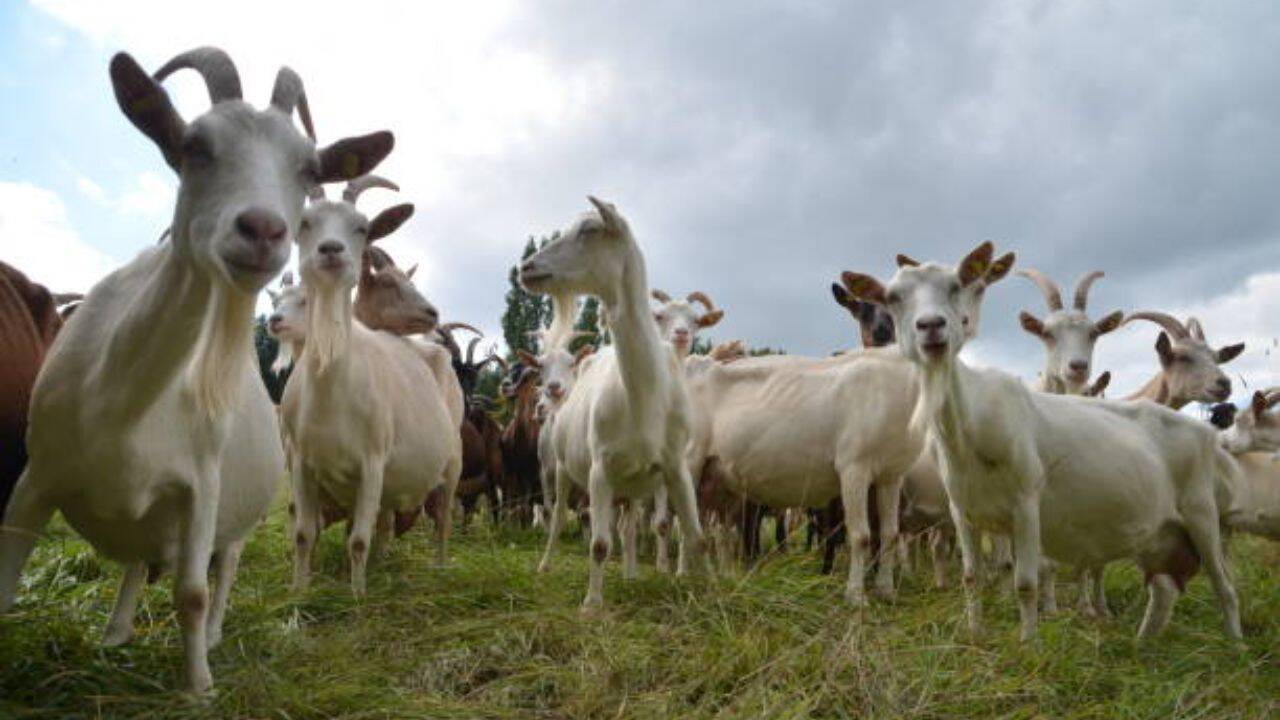
For years, the environmental mainstream has peddled a specific bedtime story. They tell us about the $10.5 million mission to wipe out over 140,000 invasive goats using trained Judas goats. The script is simple: drop a radio-collared Judas goat into an island ecosystem, let it betray its own kind by leading hunters straight to hidden herds, eradicate every last hoofed intruder, and watch paradise bloom back to pristine perfection.
It makes for a great headline. It sounds surgical. It feels like a triumph of modern ecological management.
It is also fundamentally misleading, profoundly short-sighted, and representative of everything broken in contemporary conservation strategy.
I have watched agencies blow millions on scorched-earth eradications while ignoring the underlying systemic fractures of the land they claim to protect. We are treating symptoms with a sledgehammer while calling ourselves doctors.
The Flawed Premise Of Purity
The lazy consensus rests on a romanticized fantasy: the pristine, static ecosystem. Conservationists love to talk about restoring islands to a pre-human baseline, as if history stopped moving the moment a European sailing ship dropped anchor five centuries ago.
Let us look at the mechanics of the Judas goat operation. You spend over ten million dollars tracking down animals that adapted, survived, and filled an ecological niche left vacant by millennia of extinctions. You use one animal's social instinct—its desire to find company—as a biological weapon against its herd. You wipe them out down to the last individual.
And then what?
Ecological vacuum is a harsh master. When you ruthlessly eradicate an herbivore population that has spent generations shaping the soil chemistry, seed dispersal, and understory density of an island, you do not magically restore an ancient Eden. You trigger a volatile chain reaction.
I have walked islands months after total eradication sweeps. Without grazing pressure, invasive weed species often explode, choking out native flora faster than goats ever could. Seeds that relied on low-level browsing or scarification by hooves suddenly fail to germinate. The soil, stripped of the localized tilling and nutrient deposition of large mammals, compacts and washes away during the first major storm cycle.
We celebrate the body count while ignoring the collateral damage to the actual machinery of the landscape.
The Math Of Mismanagement
Let us talk about the economics, because $10.5 million is a staggering sum of capital to throw at a rearview mirror.
When you spend that kind of money on a terminal eradication project, you are paying for an absolute endpoint. Eradication is a binary state: you either get every single animal, or you fail. If a single pregnant female escapes detection, your multi-million-dollar investment begins compounding interest the moment she drops her kid.
This is where the standard narrative falls apart under basic operational scrutiny.
Imagine a scenario where a corporate CEO spends ten million dollars re-engineering a product line to eliminate a single perceived defect, only to find that the defect was actually the shock absorber keeping the machine from shaking itself apart. That is what large-scale island mammal eradication often looks like to anyone with field experience.
Instead of investing resources into dynamic management, adaptive grazing protocols, or localized containment that respects biological reality, agencies chase the dopamine hit of the final kill count.
We are funding vanity metrics. A clean statistical sheet showing zero goats remaining looks fantastic on an annual grant report to donors. It plays well in press releases. But it substitutes a finished checklist for long-term ecological resilience.
The Real Cost Of Biological Betrayal
The use of Judas goats itself relies on a cynical exploitation of mammalian psychology. Goats are gregarious, social creatures. They seek connection, safety in numbers, and herd structure. We take that hardwired evolutionary trust, weaponize a tracking collar, and turn social bonds into execution tools.
Pragmatically, does it work to find them? Sure. But at what cost to our understanding of how living systems actually operate?
By framing invasive species solely as an existential cancer to be cut out with a scalpel, we absolve ourselves of the harder, messier work of land stewardship. It is much easier to drop sharpshooters from helicopters and deploy Judas wethers than it is to manage complex multi-use landscapes where humans, domestic livestock, and native species must find an uneasy equilibrium.
The conservation establishment wants you to believe that nature is a museum exhibit that can be scrubbed clean if we just use enough tech and kill enough outliers.
It cannot.
Stop funding ghost hunts and start managing the reality on the ground.