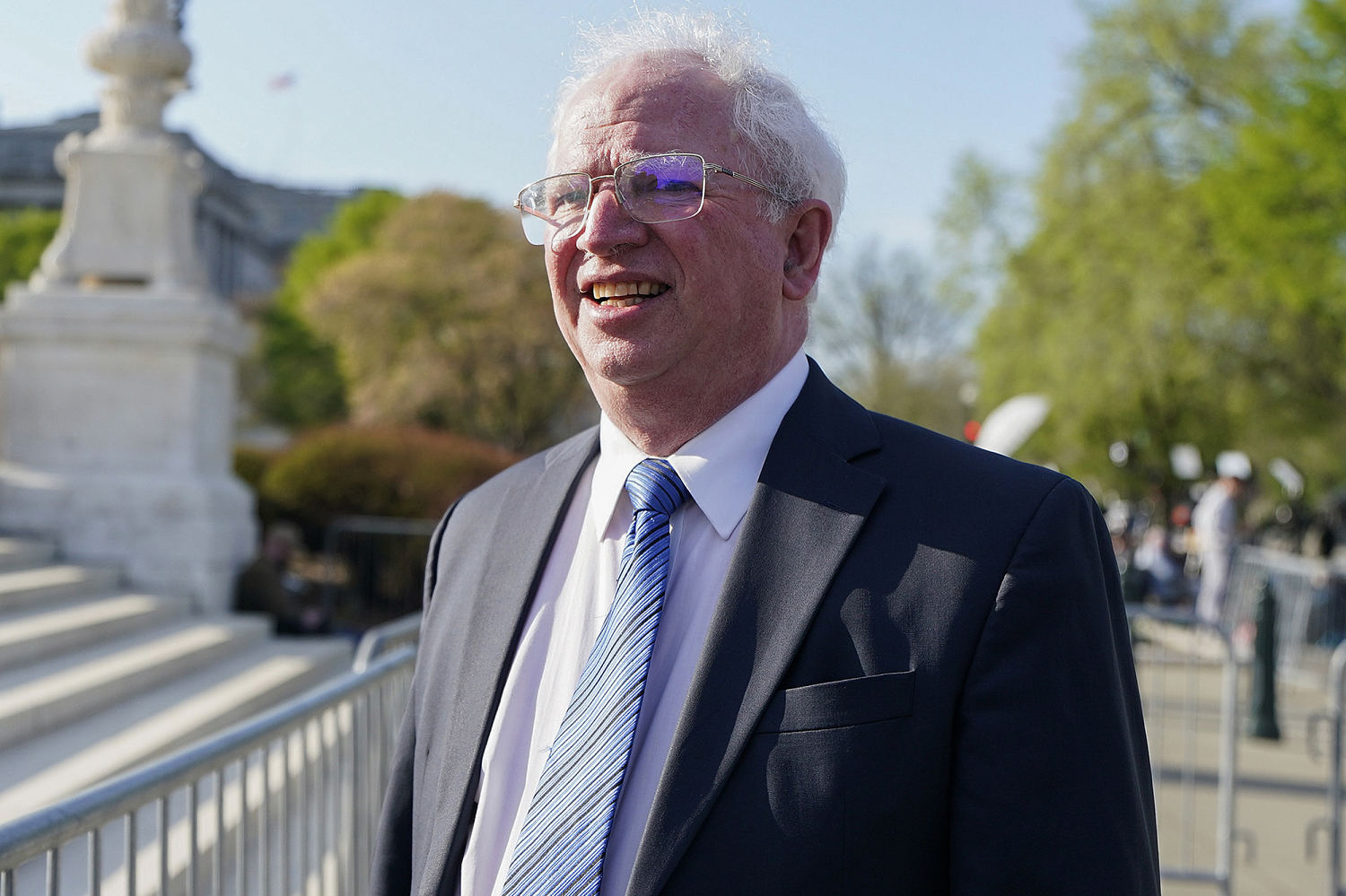
The disbarment of John Eastman in California represents more than a localized disciplinary action; it is a critical stress test of the structural integrity of the American legal profession. When an attorney transitions from advocate to an active participant in subverting constitutional processes, the state bar's response functions as a market correction to prevent the devaluation of legal licensure. This specific case centers on the violation of the Duty of Candor and the Duty to Support the Constitution, two pillars that distinguish a legal practitioner from a mere political operative. The disbarment proceedings serve as a forensic audit of the "John Eastman Memos," treating them not as protected political speech, but as defective legal products engineered to bypass established statutory mechanisms.
The Triad of Professional Liability
The case against Eastman rests on three distinct categories of professional failure. Each category represents a breach of the social contract between the lawyer and the state.
- The Fabrication of Legal Plausibility: This involves the creation of a "legal theory" known to be ungrounded in existing law or a good-faith argument for its extension. In this instance, the assertion that the Vice President possessed unilateral authority to reject electoral votes under the 12th Amendment was a deliberate misrepresentation of historical and constitutional precedent.
- The Misuse of Procedural Machinery: Filing litigation or providing counsel with the intent to delay or obstruct a government process, rather than to seek a legitimate judicial remedy, constitutes a failure of procedural integrity.
- Moral Turpitude and Dishonesty: This is the broadest and most severe charge. It addresses the intent to deceive the public and the court regarding the validity of an election, thereby threatening the peaceful transfer of power.
The Mechanism of Constitutional Decay
To understand the severity of the California court’s decision, one must analyze the cause-and-effect relationship between legal counsel and the physical manifestations of the January 6th Capitol breach. The Eastman Memos provided the intellectual scaffolding for the political pressure campaign. Without the veneer of legal legitimacy, the strategy to delay the certification of the 2020 election would have lacked the necessary leverage to influence high-level government officials.
The court identified a specific "Dishonesty Threshold." In legal ethics, an attorney is permitted to advocate for extreme or unpopular positions. However, the boundary is crossed when the attorney omits contradictory evidence or fabricates facts to suit a desired outcome. Eastman’s failure to acknowledge the multiple failed audits and judicial rulings that preceded his memos demonstrates a calculated bypass of the Rule of Professional Conduct 3.3 (Candor Toward the Tribunal).
Structural Incentives for Disbarment
The legal profession operates as a self-regulating monopoly. For this monopoly to maintain its social and economic value, the barrier to entry must be matched by a rigorous mechanism for exit. The disbarment of a high-profile attorney serves three systemic functions:
- Deterrence of Moral Hazard: If attorneys believe they can engage in high-risk, high-reward political subversion without losing their license, the incentive to prioritize client-political goals over constitutional obligations increases. Disbarment resets the risk-reward ratio.
- Protection of the Judicial Brand: Public trust in the judiciary is the "currency" of the legal system. When a lawyer uses their status to spread disinformation, they debase that currency. The California State Bar's action is an attempt to mitigate "brand dilution."
- Affirmation of the Fact-Finding Process: By stripping Eastman of his license, the court reinforces that the legal system is built on verifiable evidence and logical inference, not ideological conjecture.
The Complexity of Protected Speech vs. Professional Conduct
A common defense in these proceedings is the invocation of First Amendment protections. However, the court’s logic establishes a clear distinction: while Eastman has a right to express political opinions as a private citizen, he does not have a right to use his law license as a weapon for fraud. The license is a privilege granted by the state, contingent upon adherence to a specific code of ethics.
The "Plausible Advocacy" defense fails when the advocated position relies on a factual vacuum. The court found that Eastman’s claims regarding "illegal" votes in multiple states were not merely incorrect, but were made with a "reckless disregard for the truth." This is the same legal standard used in defamation cases involving public figures, but applied here to the duty an attorney owes to the public.
The Economic Impact of Legal Subversion
The cost of Eastman’s actions extends beyond the courtroom. It includes the taxpayer-funded expenses of defending the election results against frivolous litigation and the security costs associated with the resulting civil unrest. From a consultant's perspective, this represents a massive misallocation of resources. The legal system was forced to expend thousands of hours of billable-equivalent time to debunk theories that were logically incoherent from their inception.
The disbarment acts as a "stop-loss" order. It prevents further damage to the efficiency of the judicial system by removing a bad actor who has demonstrated a willingness to utilize the system's own rules to dismantle it.
The Precedent for Future Election Litigation
This ruling establishes a high-water mark for the accountability of "elite" counsel. Historically, junior-level attorneys or fringe practitioners faced the brunt of disciplinary actions. The targeting of a former law school dean and prominent constitutional scholar signals that no amount of prestige provides immunity from the ethical requirements of the bar.
The decision highlights a specific vulnerability in the American political system: the reliance on the "Good Faith Actor" assumption. When that assumption is violated by individuals with the expertise to exploit the system's nuances, the only remaining defense is the permanent removal of their professional standing.
Strategic Recommendation for Legal Oversight
State bars must shift from a reactive to a proactive posture. The delay between the 2020 election and the 2024 disbarment recommendation highlights a latency in the disciplinary process that allows damage to compound. To maintain the integrity of future elections, the following frameworks should be institutionalized:
- Accelerated Review for Constitutional Matters: Implement a "Fast Track" disciplinary process for cases involving the subversion of democratic processes. The standard five-year window for resolution is insufficient when the stability of the state is at stake.
- Mandatory Ethical Recertification: Transition from a "one-and-done" licensing model to a system requiring periodic verification of ethical competency, specifically focusing on the Duty of Candor in high-stakes litigation.
- Third-Party Audits of Political Litigation: Establish independent boards within state bars to review filings that seek to overturn certified election results, ensuring they meet a minimum threshold of factual density before they are allowed to clog the court dockets.
The removal of John Eastman from the roll of practicing attorneys is not a political victory; it is a necessary maintenance of the machinery of law. The survival of a republic depends on the ability of its legal guardians to distinguish between the zealous representation of a client and the fraudulent manipulation of the state.
The final strategic play for the American legal community is the rigorous application of this precedent to all participants in the 2020 interference efforts. Consistency in enforcement is the only way to prevent the perception of political bias and ensure that the "John Eastman" model of legal counsel becomes a relic of history rather than a blueprint for future disruption.