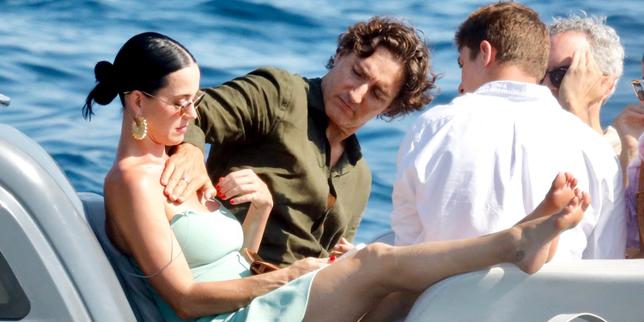
The media narrative writes itself because laziness pays well. When a former national leader steps down and the headlines pivot immediately to high-fee speaking circuits, glossy magazine spreads, and the easy caricature of a political exit turned into a VIP monetization tour, observers nod along. They call it cashing in. They frame it as the ultimate reward for a decade at the top of the political food chain—glamorous appearances, elite networking, and a nice fat stack of speaking retainers that would make a Wall Street hedge fund manager blush.
It is a comfortable story. It is also entirely wrong.
What the conventional commentary misses is the mechanics of modern political fallout. A massive speaking fee does not represent a jackpot; it functions as hazard pay and brand liquidation. When a leader leaves office bearing the accumulated friction of a deeply polarized electorate, every single stage they step onto carries a hidden tax. They are not riding off into a glamorous sunset. They are selling off the remaining equity of an exhausted brand in foreign markets because the domestic market has become structurally toxic.
Let us look at the actual math of political legacy exits.
The Myth of the Easy Golden Parachute
Watch any mainstream panel dissecting the post-office movements of former executives or heads of government, and you will hear the same tired refrain. They talk about the lucrative circuit, the board seats, the foundation funding. They treat public office like a deferred compensation scheme where the real payout happens on the back end.
I have watched enough political transitions from the inside to know this is a fairy tale told by people who have never had to manage a ruined public reputation.
When a politician commands fifty thousand or one hundred thousand dollars a pop for an hour of platitudes on geopolitical resilience, people assume it is pure profit. They forget the balance sheet of attention. To command those numbers outside your home country, you have to be radioactive inside it. If you are universally loved at home, you do not need international speaking circuits; you have a domestic foundation, a library, or a comfortable media gig. When you have to fly to Dubai, Davos, or Singapore to find an audience willing to pay top dollar without booing, you are not cashing in. You are exporting your brand because the local currency is worthless.
The lazy consensus treats these post-office movements as a triumph. The reality is closer to corporate bankruptcy liquidation. You sell the machinery piece by piece to satisfy the creditors—in this case, the personal financial demands of maintaining a security detail, a high-profile lifestyle, and the legal or administrative overhead of a collapsed political coalition.
The Glamour Trap
Then there is the lifestyle angle. The glossy magazines love the aesthetic of the post-political rebirth. They capture the tailored suits, the casual international jet-setting, the curated appearance of effortless reinvention. It sells copies because it plays into the deep-seated public resentment that politicians always land on their feet.
Here is the truth nobody in the lifestyle press wants to admit: hyper-visibility is a prison.
When your entire post-political existence depends on maintaining a glossy veneer to justify high-end appearance fees, you lose the one thing every human being actually craves after public service, which is obscurity. You are trapped on a treadmill of perpetual performance. Every flight, every dinner, every public sighting is scrutinized not for its political impact, but for its market value.
Think about the incentives. If you are genuinely wealthy and secure, you disappear. You buy a ranch in Alberta or a quiet estate in Europe and you write memoirs that nobody reads while managing a quiet portfolio. You do not hustle on the circuit. You do not pose for international style profiles unless you are desperate to keep your name relevant to the booking agents who keep your revenue stream alive.
The glamour is a marketing expense. The moment the former leader stops looking the part, the booking inquiries dry up, the speaking fees drop by half, and the illusion shatters. They are not living the high life; they are servicing an overhead.
Dismantling the Global Speaker Circuit Fallacy
Let us address the mechanics of the high-fee lecture circuit directly, because the public understanding of how these things work is fundamentally broken.
People assume corporations pay massive fees because they genuinely want to hear wisdom from a former prime minister. They think it is about policy insight. This is remarkably naive. Corporations pay those fees for three distinct reasons, none of which have anything to do with intellectual leadership:
- Association Value: It provides a corporate event with a hook for press releases and client invitations.
- Access Theater: It gives mid-level executives a chance to shake a famous hand and take a blurry photo for LinkedIn.
- Insurance: It is a symbolic payment to establish relationships across political aisles, ensuring that whoever holds power tomorrow knows the corporation plays nice with the establishment.
When Justin Trudeau or any other polarizing figure steps onto that stage, they are renting out their former office's residual institutional authority. Every time they cash that check, they dilute that authority further. It is a wasting asset. Unlike real estate or productive capital, a political brand depreciates the moment it leaves power, and high-frequency speaking tours act like an accelerator pedal on that depreciation. You burn through the remaining mystique in exchange for short-term cash flow.
Within five years, the speaking fees drop off a cliff because the political landscape has moved on, new crises have emerged, and the corporate buyers want someone who was in power yesterday, not a decade ago.
The Real Cost of Polarization
We need to talk about the domestic penalty. The reason these figures must look outward for their relevance is that the domestic ecosystem becomes unlivable. When a leader polarizes a nation for a decade, the blowback is structural. You cannot walk down the street in your own capital without encountering a hostile mob or requiring a phalanx of tactical security.
That is not a perk. That is a permanent tax on your freedom.
The media focuses on the luxury hotels and the private jets, ignoring the fact that those accommodations are necessary security workarounds. When you cannot fly commercial without disrupting an entire terminal or facing hostile confrontations, your life is no longer glamorous; it is sequestered. You are living in a gilded quarantine zone.
The conventional narrative wants us to believe that power is always rewarded, that the top dogs always win in the end, whether they are in office or out of it. It is a comforting myth that reinforces our cynicism about the system. But it misses the tragedy of the transition.
True power is quiet, permanent, and unobtrusive. What we are watching on the international circuit is not the exercise of power; it is the monetization of memory. It is the frantic conversion of fading political capital into hard currency before the expiration date hits zero.
Stop envying the tour. Start reading the balance sheet. When the only thing you have left to sell is the ghost of your former title, you are not living the high life. You are closing out the estate.


