Everyone is staring at the wrong number.
They saw an estimated $23,232.11 sitting on Kai Cenat’s screen during his TikTok LIVE with Detroit entertainer Looze Cannon. They saw another $7,000-ish in fresh gifts over a roughly 30-minute stretch. Then they did the dumbest math in creator media: multiply $23,000 by every hour a streamer sits in front of a camera and declare TikTok LIVE a golden ticket.
Lazy coverage treats an accidental creator balance flash like a bank vault opening in front of 70,000 people. It isn't. It's a snapshot of an account balance at a single moment—not a guaranteed 30-minute paycheck, not net cash in hand after platform cuts and taxes, and certainly not proof that chasing LIVE battle gifts builds a real career.
If you are watching a streamer's balance screen and thinking, "I should quit my day job and do TikTok battles," you are asking the wrong question. You shouldn't ask how much money appeared on Kai Cenat's screen. You should ask why a creator with massive leverage outside TikTok was even playing in a high-volatility gifting arena—and what happens to the 99% of performers who mistake a spike in virtual coins for durable business equity.
What Everyone Gets Wrong About TikTok LIVE Money
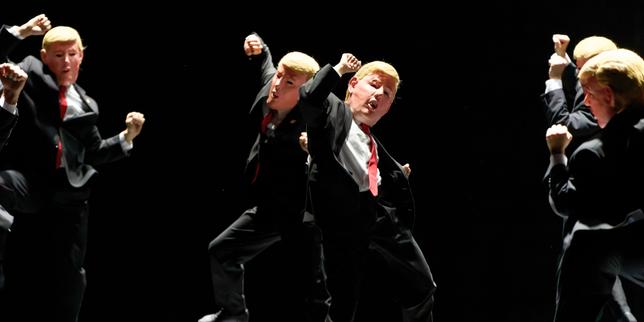
Competitor recaps love a clean story: big streamer goes LIVE with a viral Michael Jackson impersonator, accidentally leaks a five-figure balance, rakes in thousands in gifts, and steals the whole spotlight.
That narrative misses three basic mechanics that separate hype from reality.
First, a displayed balance is not a single-stream payout. When a creator opens a creator balance screen on camera, viewers see what is sitting in that account at that time. Conflating an account balance with a 30-minute wage is basic sloppy reporting. Even when clip accounts estimate around $7,000 to $7,300 in fresh gifts from that interaction—with massive gift bursts in a short four-to-five-minute battle window—those numbers reflect gross viewer gifting activity before platform splits, payout rules, and taxes take their cut.
Second, virtual gifts are pure event spikes, not recurring cash flow. TikTok LIVE battles run on adrenaline, rivalry, and spectator herd behavior. One four-minute stretch can erupt with hundreds of thousands or over a million gifts, especially when a character like Looze Cannon—whose real name is Glen Cannon—is switching between his regular persona and his Michael Jackson act, rapping off the dome over classic beats like Mobb Deep's "Shook Ones Pt. II," and pulling big viewer counts. Next stream? The whale in chat might sleep in. The algorithm might bury the room. The novelty might cool off.
Third, the impersonator is doing the heavy lifting on character tension. Look at why the room popped. Kai Cenat brings built-in scale and crowd energy, while Cannon brings a distinct comedic and musical hook—complete with real-world friction like his public pushback against claims that he uses AI filters rather than his own performance. Viewers weren't tuning in to watch an accounting spreadsheet. They were watching a collision of personalities. The money clip just gave gossip accounts a shiny headline hook.
Why "People Also Ask" Questions Miss the Point
When a clip like this trends, search bars fill up with predictable questions. Most of them start from a broken assumption.
"How much did Kai Cenat make in 30 minutes on TikTok?"
Wrong framing. Asking for a clean "30-minute salary" turns a volatile social-media moment into a fake hourly rate. A balance check shows what's in the balance view; battle gift estimates reflect bursts of viewer spending during specific segments. Treating a viral gifting spike like a predictable wage is how aspiring creators blow their savings on ring lights and bad bets.
"Are TikTok LIVE battles actually profitable for creators?"
Brutally honest answer: for a tiny sliver at the top during peak moments, yes; for most people grinding hours every night, no.
Gifting thrives on artificial urgency. Viewers send digital tokens to push a meter, win bragging rights, or watch two creators react. That works great when you already have an audience, a sharp character, or a high-energy co-host. For an unknown creator starting from zero, hours of begging for taps and roses usually buy exhaustion, not freedom.
"Should entertainers focus on TikTok LIVE gifts or brand and music deals?"
Neither one in isolation—if you treat gifts as the finish line, you lose. Even for Cannon, who has drawn attention from artists like Cordae for freestyling in character and released tracks like "Big Michael Micheal," viral livestreams are top-of-funnel attention engines. Attention only turns into lasting value when you steer it toward things you actually own or command higher rates for: music catalogs, live bookings, merchandise, and long-term brand partnerships.
Battle Scars From Chasing Hype Over Leverage
I've watched creators and media teams burn serious money chasing whatever monetization format looked easiest that month. I've seen companies pour six figures into short-form blitzes and live-stream stunts because a single viral clip made the unit economics look effortless on paper.
Almost every time, the post-mortem looks the same. Teams mistake attention spikes for retained demand. A viral clip brings eyeballs for twenty-four hours; building real equity requires giving people a reason to come back next month when nobody is shouting over a split screen.
In creator economics, monetization velocity is how fast an audience converts attention into dollars during a single moment, while audience durability is how reliably that audience shows up across platforms and formats over time. TikTok LIVE battles are high-velocity, low-durability theater. You can spike revenue fast. You can lose the room just as fast.
Heavy hitters in media and entertainment—from traditional music executives to modern independent operators—have hammered on a version of this rule for decades: own your distribution and your catalog where possible, and never confuse a hot night with a permanent market. Even when platforms hand out big numbers during viral moments, platform rules, algorithms, and viewer habits shift without asking permission.
Imagine a scenario where a mid-sized performer lands one breakout LIVE battle that brings in five figures over a wild week. They lease a pricier studio, buy flashy gear, and start streaming four hours a day relying on gifting battles to cover rent. Two months later, the novelty fades, top gifters move on to another creator, and the fixed overhead stays stuck at the new level. That isn't a rare horror story. That is standard operating procedure when people confuse a spike with a salary.
The Honest Downsides of Taking the Contrarian View
Being skeptical of LIVE gifting hype has real trade-offs. I won't pretend otherwise.
First, turning your nose up at easy money is a luxury. If a creator can legally earn thousands of dollars in a short stretch by going LIVE and entertaining people, lecturing them to "build a brand instead" can sound detached from reality. Cash today pays bills; brand equity takes time to cash out.
Second, underestimating live entertainment formats can make you blind to real talent. A split-screen battle isn't automatically cheap slop. Good comedic timing, improvisation, and crowd control are real performance skills. Dismissing the medium entirely can cause you to miss performers who know how to command a live room better than traditional hosts.
Third, ignoring short-form platforms altogether starves discovery. You don't have to worship gifting meters to recognize that TikTok clips still ignite conversations that spill onto YouTube, X, and everywhere else.
What Actually Works When Everyone Else Chases the Clip
If you're a creator, manager, or marketer looking at this story and wondering what to actually do differently, skip the copycat stunts and run a tighter playbook:
- Treat LIVE gifts as tip-jar upside, never the core business model. Build your baseline around repeatable value—shows, music, products, sponsorships, or live appearances—so a quiet stream doesn't put you in a hole.
- Bring a distinct bit, not just a camera. People watch split-screen interactions because there's friction, humor, or skill on display. Two people staring blankly waiting for gifts is dead air with a timer on it.
- Route viral spikes to owned or long-term homes. Whenever a clip or LIVE session pops, give viewers a clear next step—a song, a channel, a show, a drop—before the algorithm moves on to tomorrow's drama.
- Audit net reality, not screenshot hype. Look at what actually clears after cuts, expenses, and taxes, and ask whether you can repeat it without burning out your voice or your sanity.
A viral balance reveal makes great internet gossip for a couple of days. Building something that still pays when nobody leaks a screen takes actual work.