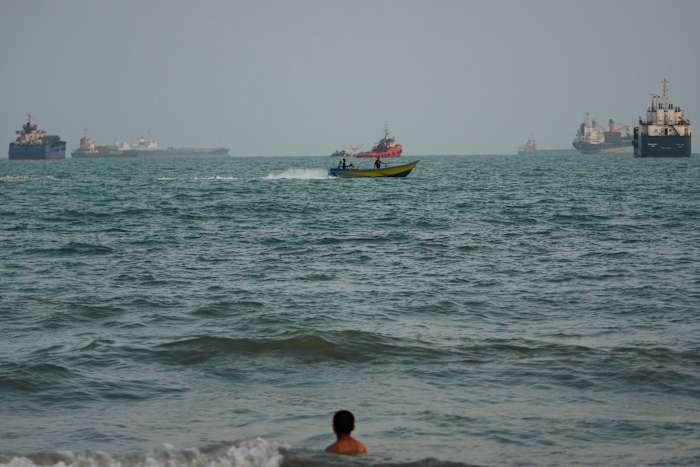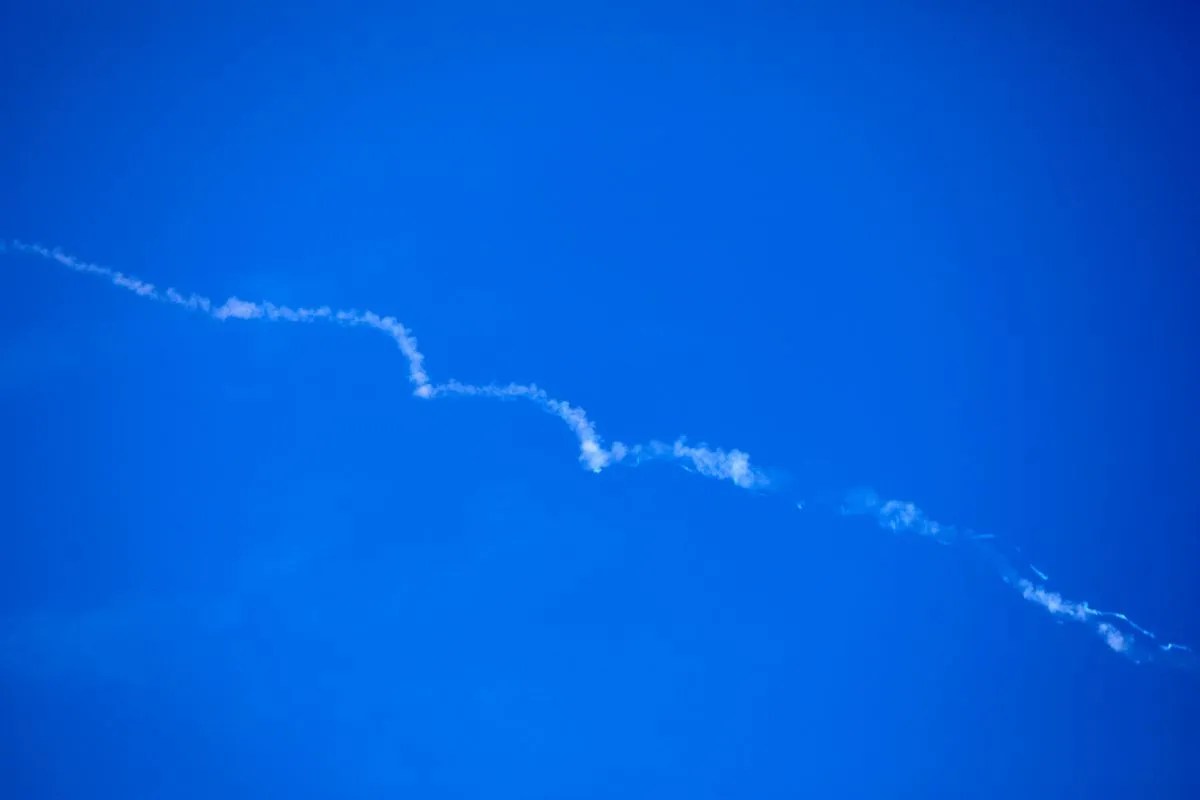
Recent explosions echoing near Iran's Kharg Island, accompanied by unconfirmed reports of a missile-stricken oil tanker, mark a dangerous tactical shift in the ongoing US-Iran military friction. While regional media outlets and state-affiliated channels trade conflicting accounts regarding the exact scale of the blast, the broader strategic reality remains transparent. Washington is systematically tightening the noose around Iran’s maritime infrastructure, moving past localized skirmishes in the Strait of Hormuz to target the jugular of the Iranian economy.
For decades, military planners in Washington and Tehran have recognized Kharg Island not merely as a piece of rocky terrain in the northern Persian Gulf, but as the undisputed financial heartbeat of the Islamic Republic. Handling the vast majority of the nation's crude oil exports, predominantly bound for Asian markets, any sustained disruption to this terminal triggers immediate shockwaves across global energy markets. Yet, understanding why this specific flashpoint has boiled over now requires looking beyond the immediate noise of intercepted projectiles and unverified damage assessments.
The Anatomy of an Escalation
The friction points stretching across the Persian Gulf did not materialize overnight. In recent weeks, the operational tempo enforced by US Central Command has accelerated significantly. Following strikes on regional positions near Larak Island and southern coastal defense installations, the theater has transitioned from a war of words to active kinetic enforcement.
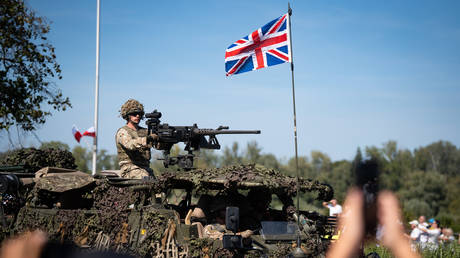
Washington has explicitly tied these operations to persistent threats against commercial shipping lanes and American service members. The Strait of Hormuz functions as a global economic bottleneck. When Tehran attempts to restrict transit or enforce unilateral control over the waterway, the response from the United States naval presence has been swift and unforgiving. The reported explosions near Kharg Island arrive on the heels of explicit warnings from American leadership, signaling that the threshold of deterrence is shifting toward high-value infrastructure.
Yet, fog remains the primary characteristic of these maritime incidents. While localized sources and specific news agencies claim an ongoing evacuation of a targeted tanker struck by multiple projectiles, official confirmation from both Washington and Tehran remains carefully measured. This information vacuum serves a tactical purpose for both sides. Iran must weigh the domestic fallout of admitting vulnerability at its primary export hub, while Western commands balance the strategic utility of pressure against the risk of an uncontainable regional energy crisis.
Strategic Calculus Behind the Energy Chokepoint
Targeting the periphery of Kharg Island is an exercise in psychological and economic coercion. Decades-old contingency plans have always identified the island as Tehran's most critical vulnerability. By bringing kinetic operations to its doorstep, the messaging from the coalition side is direct: the cost of disrupting commercial maritime corridors will be paid in export capacity.
At the same time, Tehran’s response patterns demonstrate a calculated willingness to expand the geographic scope of the conflict. Retaliatory actions and posture shifts across regional nodes show that Iran refuses to absorb pressure passively. The calculus on the ground involves a dangerous game of escalation dominance, where each side tests the other's tolerance for economic disruption and military attrition.
The global implications extend far beyond the immediate waters of the Persian Gulf. Energy markets remain hyper-sensitive to any hint of disruption near the Strait of Hormuz, through which a massive share of international petroleum flows. Even localized panic regarding a tanker strike near an essential terminal reverberates through futures trading desks worldwide, proving that physical conflict in these narrow waters carries immediate economic penalties for consumers globally.
The Ground Reality of Prolonged Friction
As military assets remain locked in a tense standoff across southern Iran and the surrounding gulf waters, the narrative of a contained conflict grows increasingly fragile. The distinction between targeted anti-shipping operations and full-scale infrastructure dismantling blurs with every exchange of fire.
The immediate days ahead will determine whether the explosions near Kharg Island remain an isolated tactical warning or signal the opening salvo of a broader campaign against Iran's energy grid. What remains certain is that the fragile status quo in the Persian Gulf has fractured, leaving international shipping lanes navigating an unprecedented level of operational hazard.