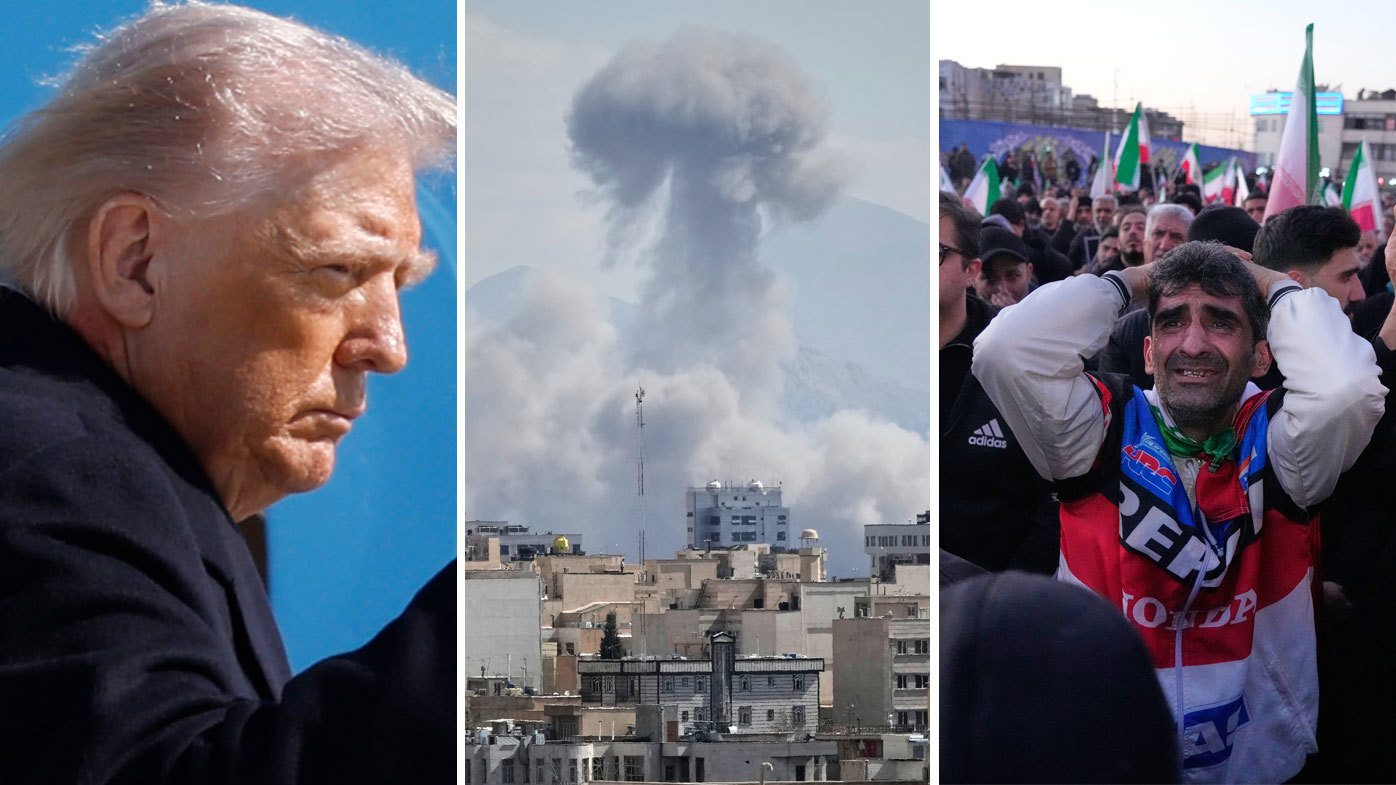
The elimination of a head of state or a supreme ideological leader represents the highest-stakes application of kinetic force in modern geopolitical conflict. While media narratives often focus on the cinematic details of the strike itself—the drone's altitude or the caliber of the munition—the true complexity of such an operation lies in the convergence of three critical domains: signals intelligence (SIGINT) saturation, the exploitation of human behavioral patterns, and the management of post-strike power vacuums. To understand the operation against Iran’s supreme leadership is to understand a multi-layered system designed to bypass a defense-in-depth security posture through precise technical and psychological vectors.
The Architecture of Target Localization
Locating a target of this magnitude requires the systematic deconstruction of their "security bubble." In highly paranoid regimes, leaders rely on air-gapped communication and physical isolation, which creates a specific data signature through its very absence. Analysts look for "quiet zones"—geographic areas where electronic noise suddenly vanishes—to identify the likely presence of a high-value individual.
The SIGINT Vacuum and Digital Exhaust
Modern targeting logic assumes that even if the primary subject is offline, the surrounding security apparatus is not. The operational framework involves:
- Proxy Tracking: Monitoring the encrypted devices of third-tier couriers or logistics officers who must coordinate movements.
- Pattern of Life Analysis: Establishing a baseline of normal activity for a specific site, such as a compound in Tehran or a mobile command center. Deviation from this baseline (e.g., increased encrypted traffic, specific road closures) signals the arrival of the target.
- Geo-Spatial Intelligence (GEOINT) Correlation: Cross-referencing satellite imagery of vehicle convoys with intercepted signals to confirm the target is physically present within a specific vehicle or room.
The technical bottleneck in this phase is the "latency-to-action" ratio. Information must be processed, verified, and transmitted to the launch platform within a window that is often measured in seconds. If the target moves more than ten meters from the predicted coordinate, the probability of a successful strike drops by an estimated 40% depending on the blast radius of the weapon.
The Cost Function of Precision Munitions
Executing a strike in a dense urban environment like Tehran requires a shift from explosive power to kinetic precision. The goal is not just the death of the target, but the minimization of "strategic blowback"—the diplomatic and social consequences of collateral damage.
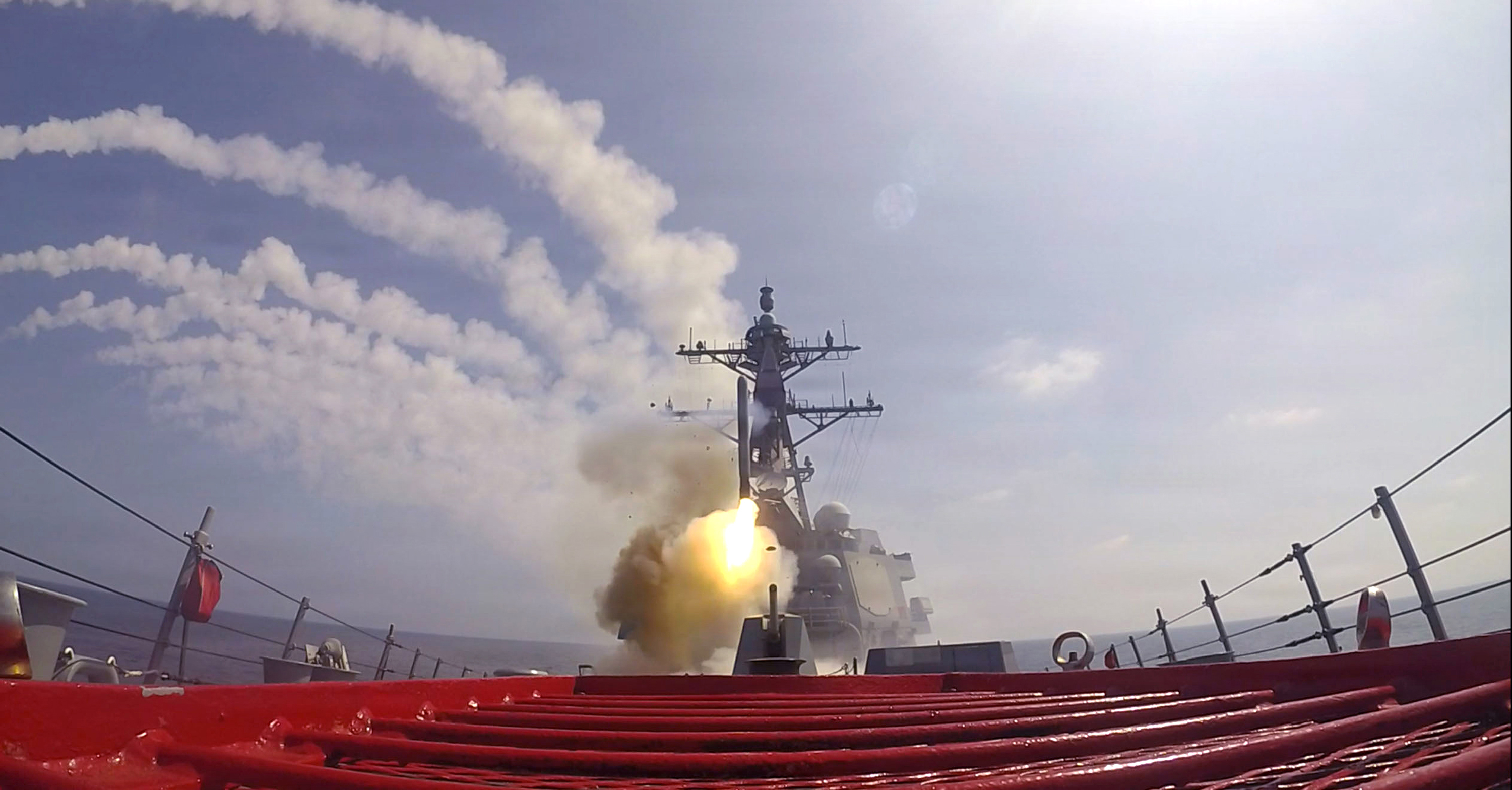
The primary tool for such operations is often a non-explosive kinetic energy projectile, such as the R9X variant of the Hellfire. This weapon utilizes six internal blades that deploy moments before impact, using the missile's velocity (roughly Mach 1.3) to neutralize the target without a thermal explosion.
The Calculus of Collateral Mitigation
Standard thermal explosives create a "blast wave" that is unpredictable in confined spaces like a motorcade. By using a kinetic-only munition, the strike team avoids the risk of secondary explosions that could level a nearby apartment building or civilian infrastructure. This creates a strategic advantage by:
- Reducing the Domestic Backlash: Minimizing civilian casualties limits the immediate emotional response and domestic mobilization within Iran.
- Maintaining Deniability: Without a massive crater or widespread debris field, the initial moments of the attack are often confused with a mechanical failure or a localized car bomb, delaying the regime's defensive posture and response time.
- Maximizing Lethality: A kinetic strike on a specific vehicle is nearly 100% fatal for all occupants, without the risk of the target being shielded by the vehicle's armor in a traditional blast scenario.
The Psychological War on Succession
The operation to kill Iran’s Supreme Leader is not an isolated event; it is a catalyst for a planned systemic collapse within the regime's hierarchy. The strike is intended to create a vacuum of authority, forcing the Islamic Revolutionary Guard Corps (IRGC) and other security organs into a crisis of legitimacy.
The Decision-Making Bottleneck
The Iranian state functions through a highly centralized, vertical command structure. When the apex of that structure is removed, the remaining leadership faces a three-fold crisis:
- Paranoia and Purges: The strike immediately triggers a search for "moles" within the inner circle. This leads to the arrest of high-ranking officials and the breakdown of trust, which is the foundational currency of any autocracy.
- Succession Friction: Without a pre-defined and universally accepted successor, competing factions within the IRGC and the clerical establishment struggle for dominance. This internal friction prevents a coordinated military response to the strike.
- Command Disruption: The removal of the Supreme Leader creates an "information lag." While the regime figures out who is in charge, the kinetic threat from the outside (e.g., further strikes or cyber-attacks) can be amplified with minimal resistance.
The Strategic Failure of "Decapitation"
While the tactical success of such an operation is often high, the long-term strategic success is frequently overstated. History shows that decapitation strikes often fail to collapse a regime if the underlying ideology remains intact.
The Martyrdom Effect
In an ideological system like the one in Iran, the death of a leader is often framed through the lens of martyrdom. This can lead to:
- Regime Consolidation: The "rally round the flag" effect, where disparate factions unite against a common external enemy.
- Radicalization of Successors: The successor to a killed leader is often more radical and less willing to engage in diplomacy, as their legitimacy is tied to their commitment to avenging the previous leader.
- Asymmetric Retaliation: Since the regime cannot respond with a symmetrical kinetic strike on the U.S. or its allies' leadership, they pivot to asymmetric warfare—cyber-attacks on critical infrastructure, maritime disruption in the Strait of Hormuz, or the activation of regional proxies.
The Technological Future of Targeted Elimination
Looking beyond current drone and missile technology, the next evolution of these operations will likely involve autonomous swarm technology and bio-metric-linked munitions.
- Autonomous Swarms: Deploying hundreds of palm-sized drones that can enter buildings through ventilation systems or small openings, using facial recognition to identify and neutralize a target with a micro-charge. This bypasses the need for high-altitude drones and the massive SIGINT infrastructure currently required.
- Bio-Metric Munitions: Weapons that are programmed to only detonate when they detect the specific thermal or DNA signature of a target, virtually eliminating the risk of civilian casualties.
The strategic play is no longer about the size of the bomb, but the precision of the data that guides it. To disrupt a regime, one does not destroy its cities; one surgically removes the nodes of its command network, forcing the system to collapse under its own internal pressure and paranoia.
Strategic Recommendation: The effectiveness of a targeted strike on Iran's leadership is inversely proportional to the duration of the power vacuum it creates. For maximum geopolitical impact, the strike must be coordinated with a pre-arranged communication strategy to the Iranian populace and a high-readiness posture for regional maritime security. Without these two pillars, a tactical win will inevitably lead to a strategic loss in the form of a more radicalized and unpredictable successor state.