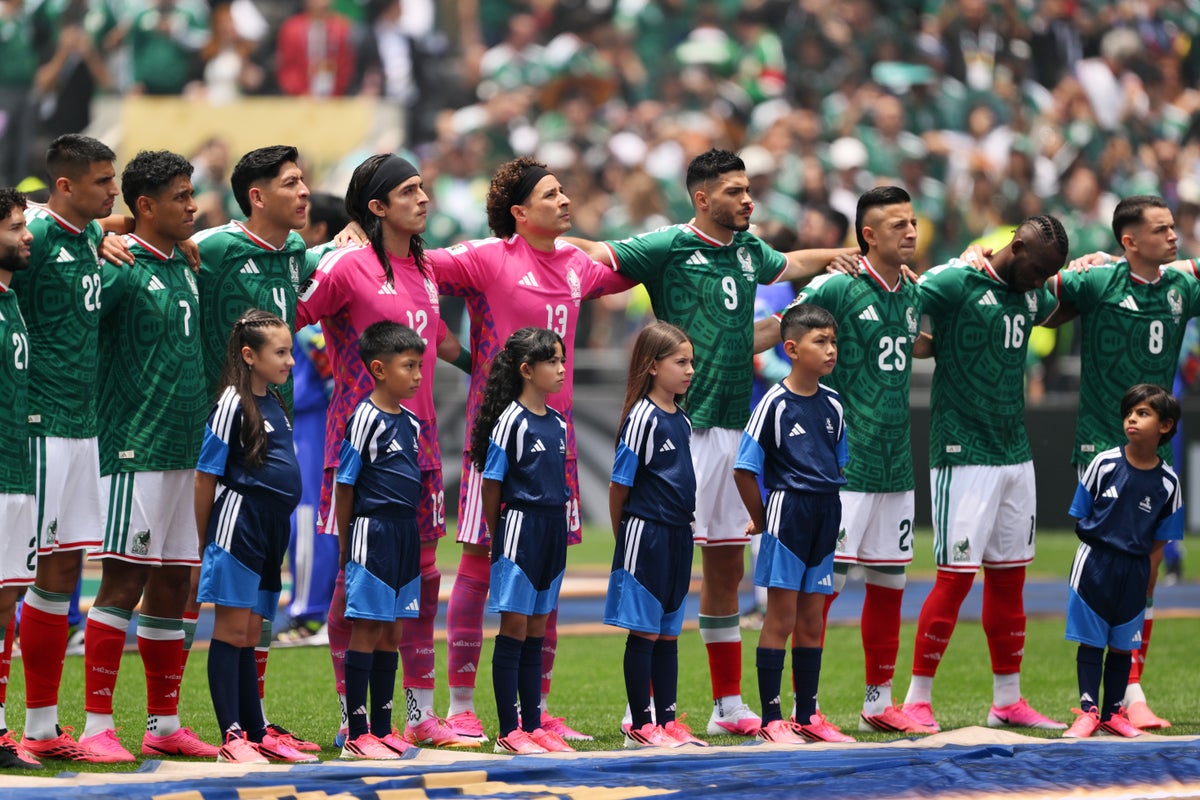
International editors love a predictable script. Every time a major sporting event lands in a developing economy, the spreadsheets of corporate media outlets churn out the exact same narrative. We saw it in South Africa with street crime. We saw it in Brazil with the favelas. Now, as Mexico takes its place on the global stage for the World Cup, the parachute journalists are out in full force, typing out breathless dispatches about a nation paralyzed by fear, torn between the joy of football and the shadow of cartel violence.
It is a comforting story for Western audiences. It fits neatly into a two-dimensional view of the world. It is also completely wrong.
The premise that cartel violence threatens the execution or enjoyment of a mega-event like the World Cup fundamentally misinterprets the mechanics of modern organized crime. It views criminal syndicates as chaotic, irrational gangs of movie villains rather than what they actually are: highly sophisticated, economically rational, multi-billion-dollar corporate entities.
The lazy consensus screams that Mexico is too dangerous to host the world. The reality is that the entities controlling the illicit economies of Mexico have absolutely no interest in disrupting the tournament. In fact, they are among its biggest financial stakeholders.
The Corporate Logic of Criminal Peace
To understand why the narrative of a "gripped-in-fear" populace is a myth, you have to look at the cold economics of illicit syndicates.
Criminal organizations in Mexico do not operate in a vacuum. They own hotels, logistics companies, agricultural networks, and real estate. They run local distribution networks that thrive on foot traffic, tourism, and international cash flow. A World Cup brings millions of tourists, billions of dollars in foreign exchange, and an unprecedented influx of liquidity into local economies.
Imagine a legitimate multinational corporation sabotaging its own flagship market during Q4. It makes no sense. The same logic applies here.
During high-profile international events, major criminal organizations enforce a strict internal discipline known locally as a Pax Mafiosa. Violence is bad for business. High-profile incidents involving foreign nationals draw the one thing these organizations despise above all else: federal and international heat. When an American or European tourist is caught in the crossfire, the political pressure forces the Mexican state to deploy the military, freeze assets, and disrupt supply lines.
I have watched international observers pull their hair out over rising homicide rates in specific regions, assuming those numbers mean a stadium in Mexico City or Monterrey is a war zone. They fail to separate targeted, localized conflict from general public safety.
- Targeted Conflict: Over 90% of violent incidents in Mexico are intra-cartel disputes or direct clashes with state forces over specific trafficking corridors.
- Public Safety: Major commercial zones, tourist corridors, and sporting venues operate under heavy, multi-layered private and public security umbrellas that are highly effective at preventing random public violence.
The idea that fans are trembling in their seats at the Estadio Azteca is a fantasy cooked up in newsrooms that prefer optics over data.
Dismantling the Parachute Journalism Premise
Let's address the standard "People Also Ask" queries that dominate the internet whenever this topic trends. The questions themselves reveal how deeply flawed the public understanding is.
Is it safe for foreigners to travel to Mexico for the World Cup?
The brutal, honest answer is yes, provided you possess basic situational awareness. The media conflates the macro-statistics of a complex nation with the micro-reality of a tourist itinerary. The violence in Mexico is hyper-localized. A turf war in a rural municipality of Michoacán has zero bearing on the safety of a fan zone in Guadalajara.
To say Mexico is unsafe because of regional violence is the analytical equivalent of warning tourists to avoid New York City because of a gang dispute in Chicago. It is a failure of geography and a failure of logic.
Why doesn't the government just stop the cartels before the tournament?
This question assumes that the state and the criminal organizations are two entirely separate entities locked in a permanent, black-and-white war. This is a naive view of institutional power.
The stability of Mexico relies on a complex, shifting equilibrium between local authorities, federal forces, and economic power brokers—some legitimate, some less so. The security theater deployed during the World Cup is not about eradicating organized crime. It is about managing the optics. The government establishes temporary, fortified perimeters around venues, hotels, and transit routes. The syndicates step back, wait out the tournament, and cash in on the secondary economic boom. It is a calculated coordination, not a battle to the death.
The Economics of the Fan Experience
The fans aren't nervous. Go to any cantina in Mexico City or any stadium concourse in Monterrey. The atmosphere is not one of fear; it is one of profound, historic enthusiasm.
The Western media mistake the caution that Mexicans naturally exercise in their daily lives for paralysis. Living in a country with structural insecurity means developing a specific set of habits: knowing which roads to avoid at night, understanding local dynamics, and ignoring the noise. It does not mean hiding in a basement when the national team takes the pitch.
[World Cup Economic Influx]
       │
       ▼
[Massive Tourism & Cash Flow]
       │
       ▼
[Strict Cartel Internal Discipline (Pax Mafiosa)]
       │
       ▼
[Guaranteed Security for Commercial Zones]
The competitor piece quotes a handful of anxious locals to paint a picture of national dread. That is selective reporting designed to feed a pre-existing bias. It ignores the millions of ordinary citizens who view this tournament as a validation of their culture and an essential economic lifeline.
The Hypocrisy of Global Sports Criticism
There is a blatant double standard at play here. When the United States hosts major events despite suffering from an epidemic of mass shootings in public spaces, the international press does not question whether the tournament should take place there. When European nations deal with systemic hooliganism and rising far-right street violence, it is treated as a manageable security detail.
But when Mexico steps up, the narrative immediately shifts to one of existential dread.
This bias prevents an honest assessment of what actually matters: ticket gouging, FIFA's predatory commercial demands, the displacement of working-class vendors from stadium districts, and the infrastructure strain on local municipalities. Those are the real issues affecting Mexicans. Those are the structural problems that will outlast the final whistle.
Instead of investigating the real economic exploitation happening under the guise of sport, journalists prefer to write lazy dispatches about shadow wars that will never touch a single World Cup ticket holder.
The stadiums will be packed. The beer will flow. The revenues will break records. The syndicates will collect their profits through legitimate fronts, and the fans will celebrate with the intensity that only Latin American football can generate. The fear isn't on the streets of Mexico; it is in the imagination of editors who don't know how to cover a complex country without relying on a trope.
Stop reading the hand-wringing profiles written by writers who need a map to find the stadium. The tournament in Mexico will not be defined by terror. It will be defined by the exact same thing that defines every modern World Cup: corporate efficiency, massive capital accumulation, and an absolute obsession with the game. Everything else is just noise designed to sell ads to people who have never stepped foot across the border.