_(cropped).jpg)
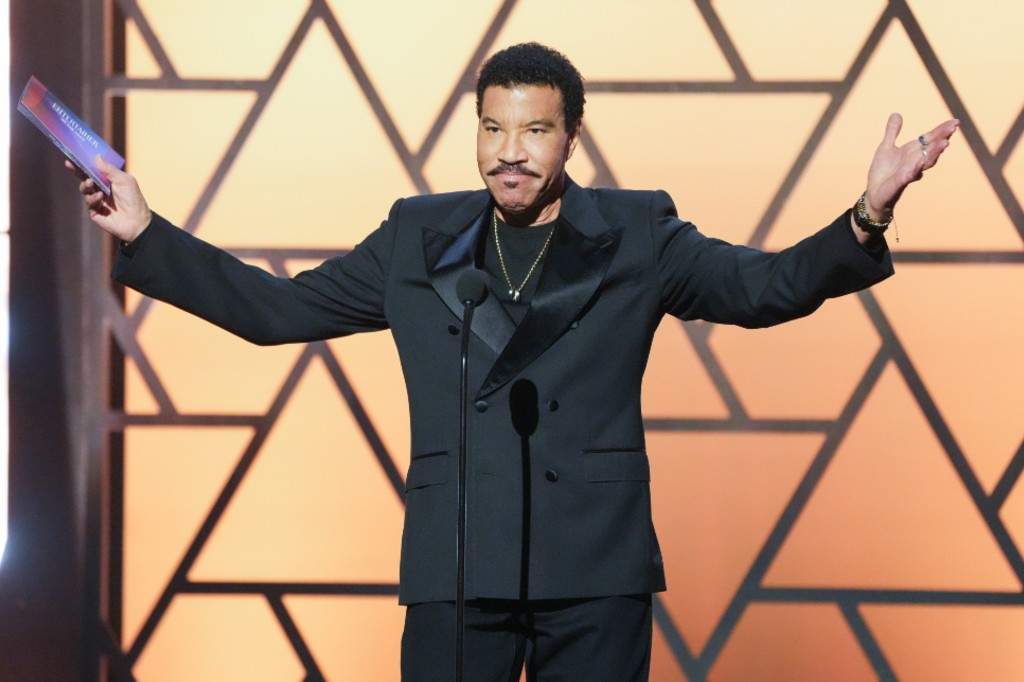
Music icon Lionel Richie checked himself into a St. Louis hospital following his headlining performance at The Muny in Forest Park, sparking renewed industry anxiety over the physical tolls exacted by legacy touring schedules. The 77-year-old singer required medical evaluation in an intensive care unit after audience members watched him struggle through the closing moments of his set, ultimately requesting a chair to finish his classic anthem "All Night Long". While medical teams examined the artist for acute dehydration, the incident highlights a broader, unacknowledged crisis within the live entertainment sector regarding aging superstars performing grueling arena schedules.
This hospitalization marks the second major health interruption for Richie during his current touring run. Earlier in the summer, a concert in St. Paul, Minnesota, ended abruptly when the performer informed the crowd he felt dizzy and strange before paramedics transported him via ambulance. Although those initial dates were briefly postponed and glossed over with reassurances on social media, the recurrence in Missouri points to systemic pressures that extend far beyond an isolated medical chart.
Touring at age seventy-seven demands an extraordinary expenditure of biometric capital. The modern touring apparatus is a multi-million-dollar machine built on momentum, contractual obligations, and fierce fan loyalty. When an artist of Richie's stature encounters physical distress, the default corporate mechanism favors continuation over cancellation. Insurance stipulations, crew payroll, and venue rentals create an ecosystem where resting requires an act of corporate rebellion.
Concert production on this scale functions like high-performance athletics. Performers spend hours under blazing stage rigs, navigating severe thermal loads, elevated heart rates, and relentless travel schedules across varying time zones. Fans see the polished execution of familiar hits, but they rarely witness the backstage oxygen tanks, physical therapists, and IV hydration setups required to sustain a legacy act through a ninety-minute set.
Industry veterans recognize that veteran performers often resist scaling back their production values because the live concert experience remains their primary economic engine. Recorded music revenues no longer support massive traveling entourages, leaving touring as the principal source of revenue for artists and their extended crews. Consequently, canceling a single show triggers a cascade of financial and logistical penalties that weigh heavily on the performer's conscience.
The pattern of these health scares suggests that simple rest cycles between legs of a tour may no longer suffice for aging vocalists. Medical professionals frequently point out that cumulative fatigue alters homeostatic balance, making older adults acutely vulnerable to minor shifts in fluid intake and electrolyte levels. What public reports label as mild dehydration often serves as a shorthand indicator for systemic exhaustion that requires prolonged rehabilitation rather than a forty-eight-hour turnaround.
Ticket holders face a difficult reality. The desire to witness living legends perform their canonical catalogs creates an intense market demand that encourages artists to push past biological limits. When management teams announce that an artist is being cautious and expects a swift discharge, the statement frequently reflects commercial urgency rather than a fully restored physiological baseline.
The broader question involves the ethics of legacy touring loops. As legendary performers cross into their late seventies and eighties, the traditional amphitheater circuit demands a radical restructuring of safety protocols. Ignoring the warning signs embedded in these repeated hospitalizations risks transforming celebratory victory laps into cautionary tales about the limits of human endurance under the spotlight.