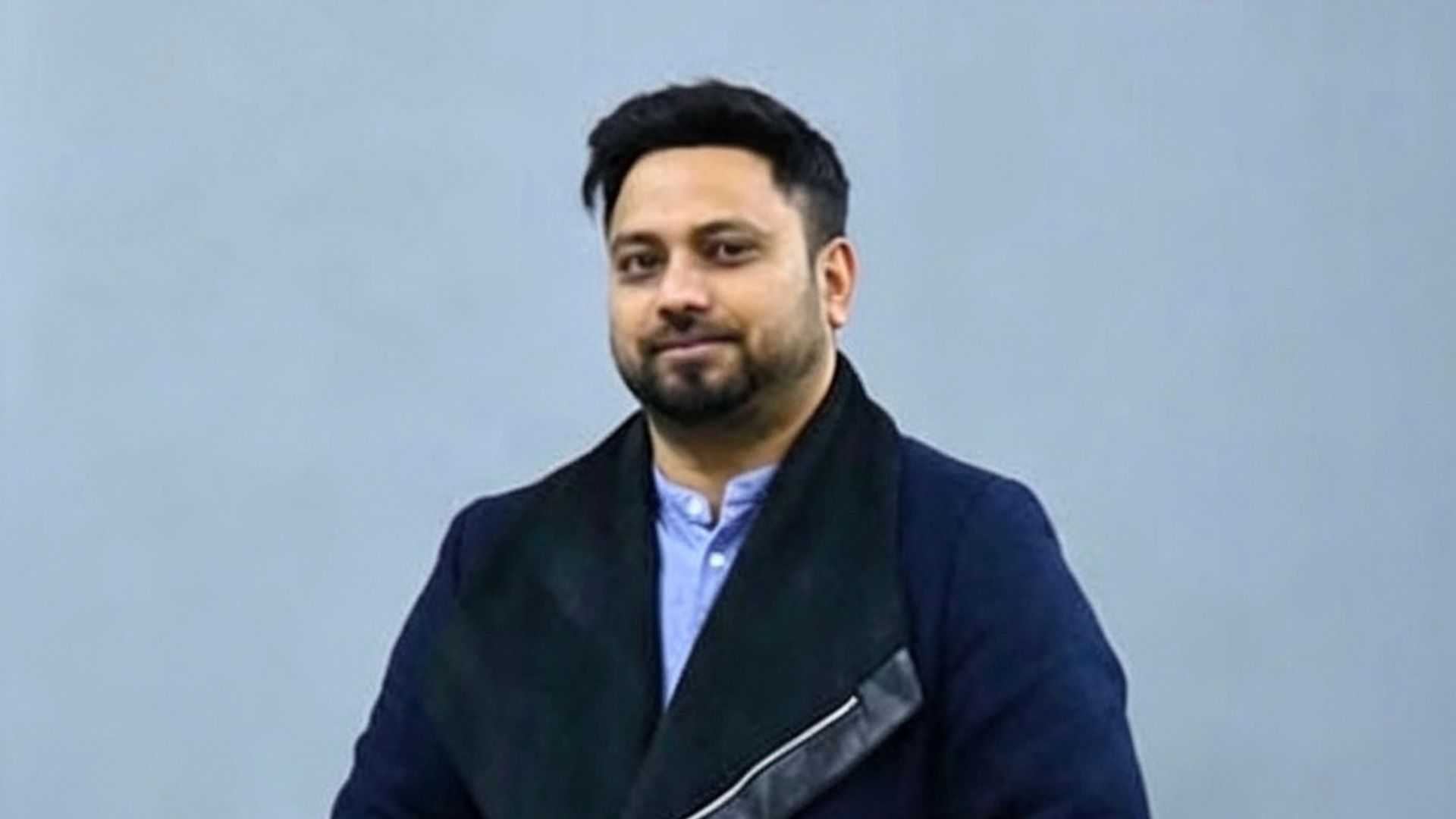
A man slumped over a steering wheel. A vehicle parked quietly on a residential street. Silent witnesses captured on grainy closed-circuit television cameras. When London's Metropolitan Police issue an urgent appeal for information after a fatal shooting inside a car, the public often hears the same boilerplate phrase: Do you know something?
Honestly, standard police appeals rarely tell the whole story. Detectives rely heavily on community tips, but getting residents to speak up when organized crime or violent local gangs are involved takes far more than a simple phone number and a case reference. If you have ever walked past a cordoned-off crime scene in the capital, you know the heavy silence that follows. Fear keeps people quiet.
The Anatomy Of An Urban Vehicle Ambush
Car shootings in London present a distinct forensic and tactical puzzle for homicide investigators. Unlike foot pursuits or indoor altercations, a vehicle acts both as a crime scene and a potential mobile coffin.
- Ballistics trajectories: Bullets fired through car glass shatter predictably, leaving distinct fracture patterns that forensic teams use to map shooter positions.
- CCTV blind spots: Attackers often use stolen vehicles or cloned plates, dumping them within minutes to frustrate automated plate recognition trackers.
- Forensic isolation: Modern vehicles retain digital footprints, from Bluetooth connections to dashcam feeds, yet recovering these takes precious time.
When the Met Police put out calls for witnesses after a body is discovered inside a car, they are usually racing against the clock. The first forty-eight hours dictate whether a homicide inquiry yields a suspect or joins the grim catalog of unsolved cases.
Why Public Appeals Often Fall Short
Let's look at how these investigations actually operate behind the scenes. Detectives from the Specialist Crime Command trawl through terabytes of digital footage. They isolate white Range Rovers, dark hatchbacks, or high-end Audi models. Yet, appealing to the general public with generic descriptions rarely jogs the right memory.
People don't remember a random car parked on a side street at 2:00 AM. They remember anomalies. They remember a car idling with its lights off, or two individuals swapping vehicles under a flickering streetlamp. Police need to ask hyper-specific questions about local habits rather than broad appeals for general assistance.
Furthermore, community trust remains fragile. High-profile scandals and historical institutional failures within the Met mean that anonymous channels like Crimestoppers carry the bulk of the investigative weight. If tipsters don't trust the officer on the other end of the line, information simply vanishes.
What Actually Moves An Investigation Forward
Solving these high-stakes cases requires breaking through local omertà. Rewards offered by independent charities often incentivize insiders to talk. But real breakthroughs usually come down to digital forensics matching physical timelines.
If you live in an urban neighborhood where these incidents occur, protecting your own digital perimeter matters. Dashcams that run on motion detection while parked can capture crucial secondary footage of suspects fleeing on foot long after the initial shots are fired.
Check your own security systems if you live near a major arterial route out of London. Keep your archives backed up for at least a week. If you spot suspicious activity near a stationary vehicle late at night, noting the partial plate or the vehicle make is far more valuable to investigators than remembering a face.
The next time an urgent appeal flashes across the news regarding a fatal shooting in the capital, remember that behind the official press release is a desperate scramble for fragmented evidence. Piecing it together depends entirely on whether anyone dares to break the silence.


