The air smelled of hot engine oil and damp autumn leaves. It was the kind of evening where the light does not so much fade as it surrenders, sliding away behind the gray silhouettes of buildings and leaving the highway slick with a sudden, uninvited drizzle.
Traffic had thinned to a frustrated crawl when the sound tore through the dusk. If you found value in this article, you might want to check out: this related article.
It was a sharp, flat crack that most people mistake for a backfire until the air changes. Until the screaming starts.
In cars three lanes over, drivers instinctively hit their door locks. They gripped their steering wheels a little tighter, averted their eyes, and waited for the obstacle to clear. That is the default setting of the modern mind. We are trained to look away from catastrophe, to assume someone else—someone with an official title or a uniform—will step into the wreckage. For another perspective on this story, refer to the latest update from NBC News.
Sergeant First Class did not look away.
When the gunshot echoed across the asphalt, the distance between safety and mortal peril collapsed into a single, breathless second. On paper, the military teaches you how to deploy force. It trains soldiers for the grand, chaotic canvas of geopolitical conflict. But there is a quieter, more grueling curriculum hidden beneath the medals and the drill commands. It is the art of the tourniquet. It is the mastery of the three-minute window before the heart stops pumping.
Let us be entirely clear about what happens to the human body when a bullet tears through tissue and severs a major vessel. Movies lie to us. They show characters taking a hit to the shoulder, gritting their teeth, and walking away. Reality is far more brutal, infinitely more quiet, and terrifyingly fast. Blood does not ooze in cinematic drips; it surges in dark, rhythmic pulses that drain a human life in less time than it takes to boil water.
When the victim slumped against the pavement, his breath hitched in a wet, rattling gasp. Panic bloomed instantly in the surrounding air. People shouted into cell phones. Sirens were still miles away, tangled in evening gridlock.
This is the invisible crisis of modern trauma. We have built a world of incredible medical technology, yet the distance between a hospital emergency room and a bleeding limb on a dark highway is measured in fatal minutes. In those moments, ambulances are not life-saving machines yet; they are just distant promises trapped behind red taillights.
The soldier moved with a terrifying economy of motion.
There was no hesitation. No dramatic pause. Years of muscle memory, drilled into bone and sinew through monotonous repetition on dusty bases, took over. He dropped to his knees, ignoring the broken glass cutting into his trousers, ignoring the cold rain soaking through his jacket.
Hands steady, he tore open a pack and located the source of the hemorrhage.
To understand what followed is to understand the absolute razor edge of tactical combat casualty care translated into civilian life. A wound like that demands brutal intervention. It hurts. It is violent. To save a life, you often have to inflict more pain in the short term, tightening a windlass strap until the screaming of the patient threatens to break your own resolve.
People often wonder what separates those who freeze from those who act. We romanticize bravery as some rare genetic trait, an inherent fearlessness found only in movies or comic books. That is a comforting lie we tell ourselves so we have an excuse to remain paralyzed.
Real bravery is mechanical. It is the deliberate suppression of terror through training.
As the soldier worked, applying direct, crushing pressure to seal the wound, the world around them seemed to shrink to a radius of two feet. The blaring car horns faded. The frantic voices of onlookers dissolved into white noise. There was only the wet sound of breathing and the dark, rhythmic soaking of the pavement.
Minutes stretched like elastic bands.
When the flashing red and blue lights finally bounced off the damp hoods of surrounding cars, the immediate crisis had been averted, not by luck, but by deliberate, agonizing preparation. The victim was breathing. His pulse was weak, erratic, but present. The bleeding had stopped.
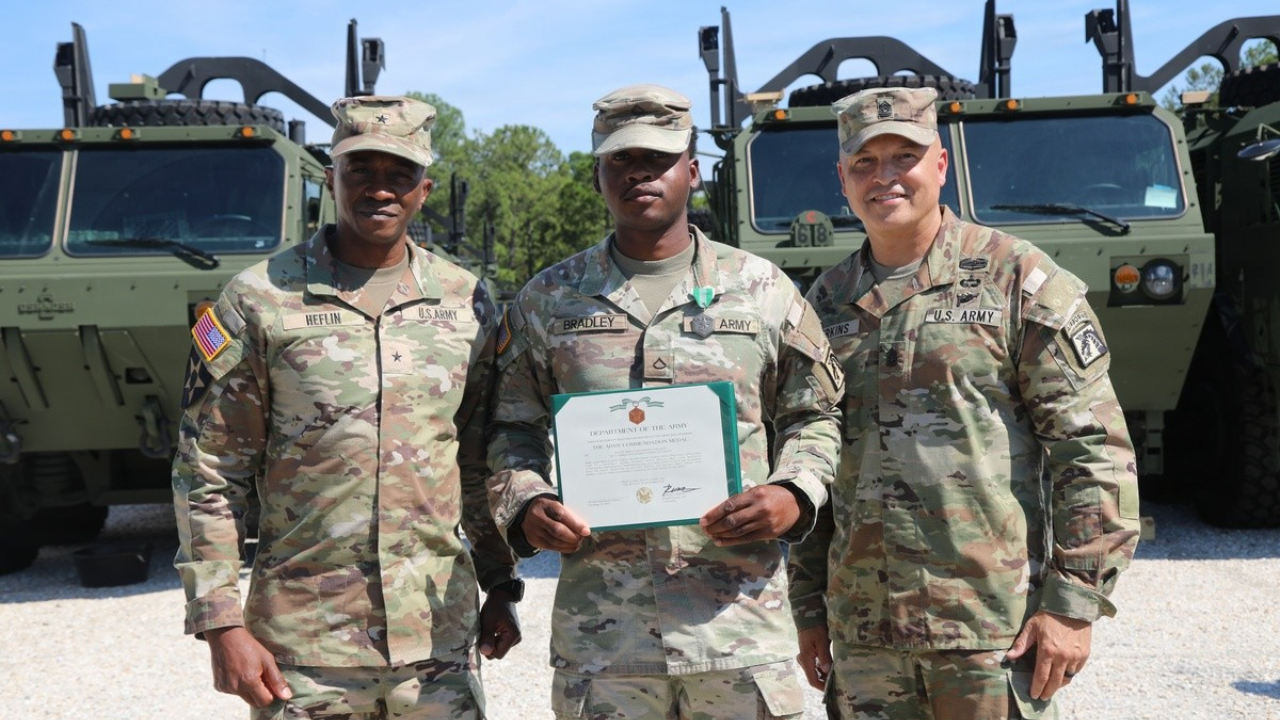
Weeks later, in a sterile room under the hum of fluorescent lights, a medal was pinned to a uniform. There were handshakes, solemn nods, and official commendations. The Army Commendation Medal citation spoke of quick thinking, dedication, and upholding the highest traditions of the service.
Yet, medals are heavy things. They try to capture a chaotic, messy moment in neat, bureaucratic bronze.
They do not capture the cold burn of the asphalt against bare knees. They do not record the sound of a stranger gasping for breath in the dark. They do not measure the heavy silence that settles over a soldier hours later, long after the sirens have stopped, when the mind replays every second and asks the quiet, haunting question: What if I had hesitated for just one second longer?
We live in an age that desperately fetishizes heroes while simultaneously cultivating a culture of spectator detachment. We record accidents on our phones. We scroll past human suffering on glass screens, detached by miles of fiber-optic cable and comfortable indifference. We treat safety as a passive right rather than an active responsibility.
The soldier who stepped out of his car that rainy evening did not possess supernatural powers. He possessed a skill set, an unflinching sense of moral obligation, and the courage to get his hands dirty when the world around him was bleeding.
That is the real lesson of the highway.
Disaster does not schedule appointments. It does not wait for an expert to walk into the room. It arrives unannounced, wrapping its cold fingers around ordinary Tuesday afternoons and mundane evening commutes. And when it does, the dividing line between tragedy and survival is almost always drawn by someone who refused to look away.
The rain eventually cleared. The traffic resumed its mechanical pulse, streaming endlessly down the concrete arteries of the city, carrying thousands of people toward homes they expected to reach safely. But somewhere beneath the overpass, the memory of that single, decisive intervention remained etched into the pavement—a stark reminder of how fragile our safety truly is, and how much we owe to the hands willing to hold it together when it breaks.