Music and politics have always collided, but few mainstream artists pull their own financial lifeline to prove a point. When rapper Macklemore pledged one million dollars of his tour salary straight to Palestinian aid organizations, he didn't just write a check. He detonated a massive conversation within an industry famous for keeping its mouth shut to protect profit margins.
You've probably seen the headlines about stadium bans and falling dominoes on massive international tours. Behind the noise lies a stark reality about accountability, corporate gatekeeping, and what happens when an artist refuses to stay in their lane.
The Cost of Speaking Up
Taking a side in a geopolitical crisis used to be an unspoken career killer. Most major acts opt for carefully curated neutrality. They want the global festival slots, the brand sponsorships, and the packed stadium dates without alienating corporate partners. Macklemore tore up that playbook.
During a set at MetLife Stadium, he delivered a blunt, unvarnished speech demanding freedom for Palestine. That moment sparked immediate fallout. New England Patriots owner Robert Kraft barred the rapper from performing at Gillette Stadium, citing his history of rhetoric. Major arenas across the United States reportedly shut their doors to his upcoming dates.
Yet the backlash didn't stop the message. Instead, support acts began dropping out of tours in solidarity. Musicians realized fence-sitting wasn't an option anymore.
Where the Money Actually Goes
A million-dollar pledge sounds impressive on paper, but execution matters. Macklemore directed his funds to six specific humanitarian groups working directly on the ground:
- Palestine Children's Relief Fund
- HEAL Palestine
- Gaza Soup Kitchen
- Medical Aid for Palestinians
- UNRWA (The United Nations agency for Palestinian refugees)
- Anera (American Near East Refugee Aid)
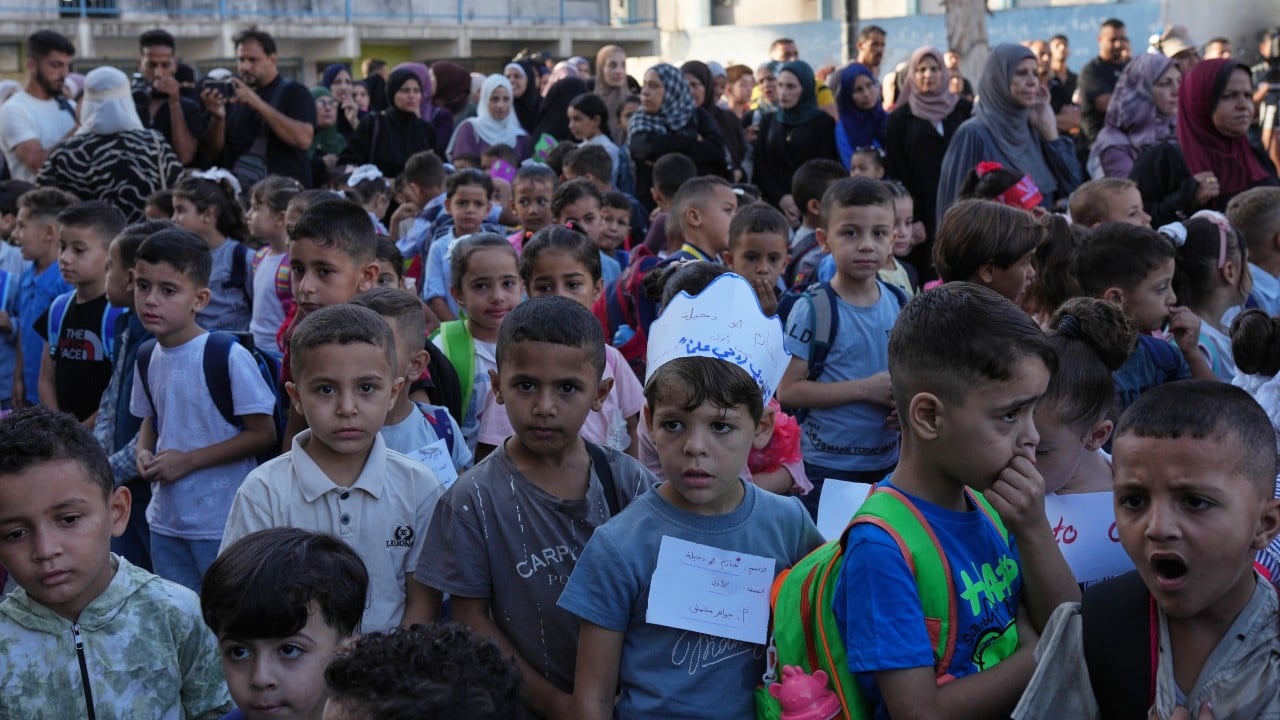
These organizations handle everything from critical medical care for child amputees to food distribution and temporary shelter. Leaders from these nonprofits noted that the real win isn't just the cash injection. It's the renewed public focus. When mainstream celebrities talk about ongoing blockades and collapsing infrastructure, it keeps public eyes fixed on humanitarian crises long after the standard news cycle drifts away.
Shifting the Industry Standard
Fans and critics alike are drawing a hard line. Audiences are tired of multimillionaires hiding behind vague statements about peace. They want to see where the money and the leverage go.
When public figures put skin in the game, it alters the baseline. Artists with massive platforms are learning that transparency and moral consistency outweigh corporate comfort. Whether other performers follow suit or stay safely on the sidelines, the silence has been broken. The spotlight is no longer on the charts. It is on accountability.