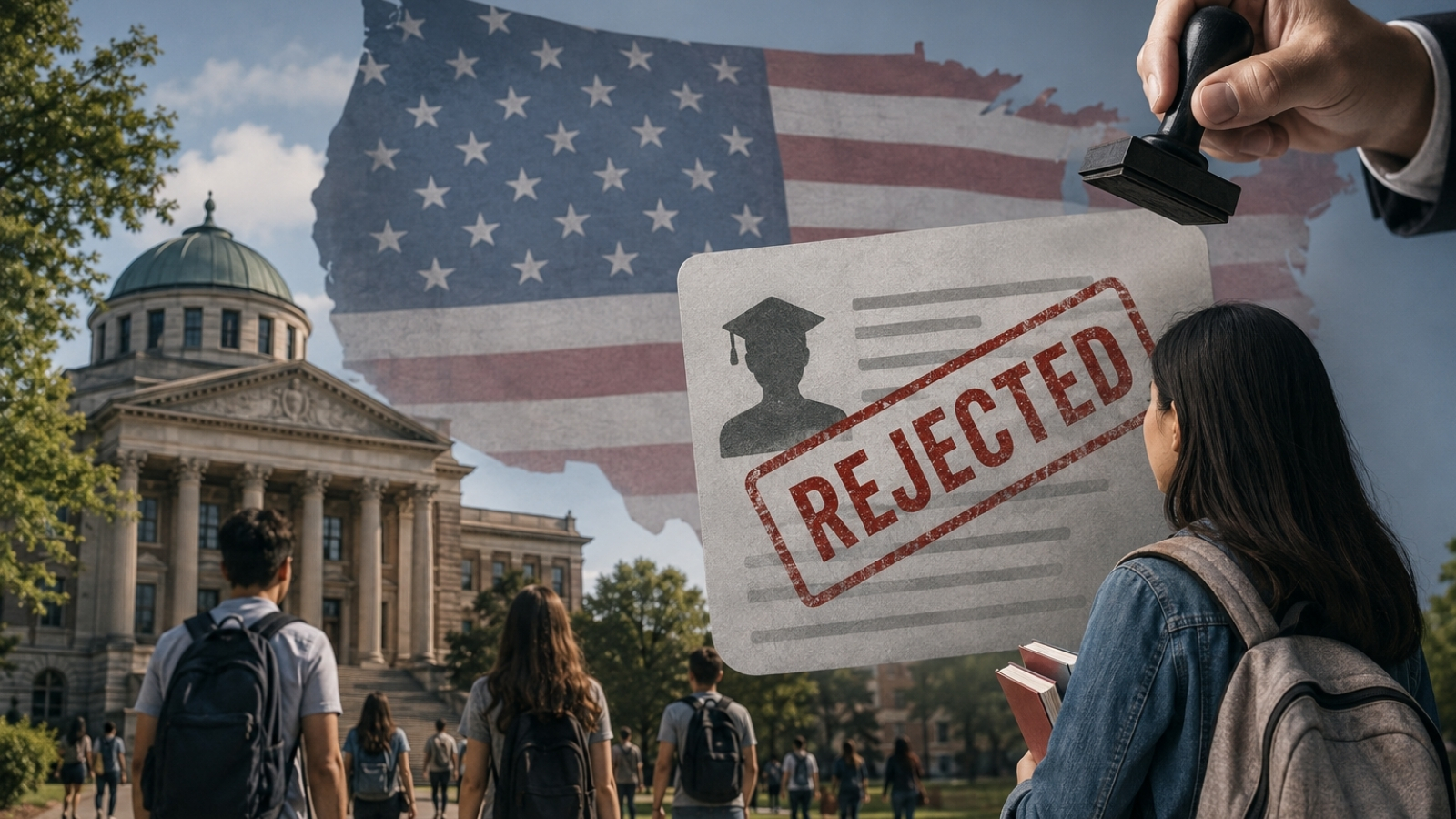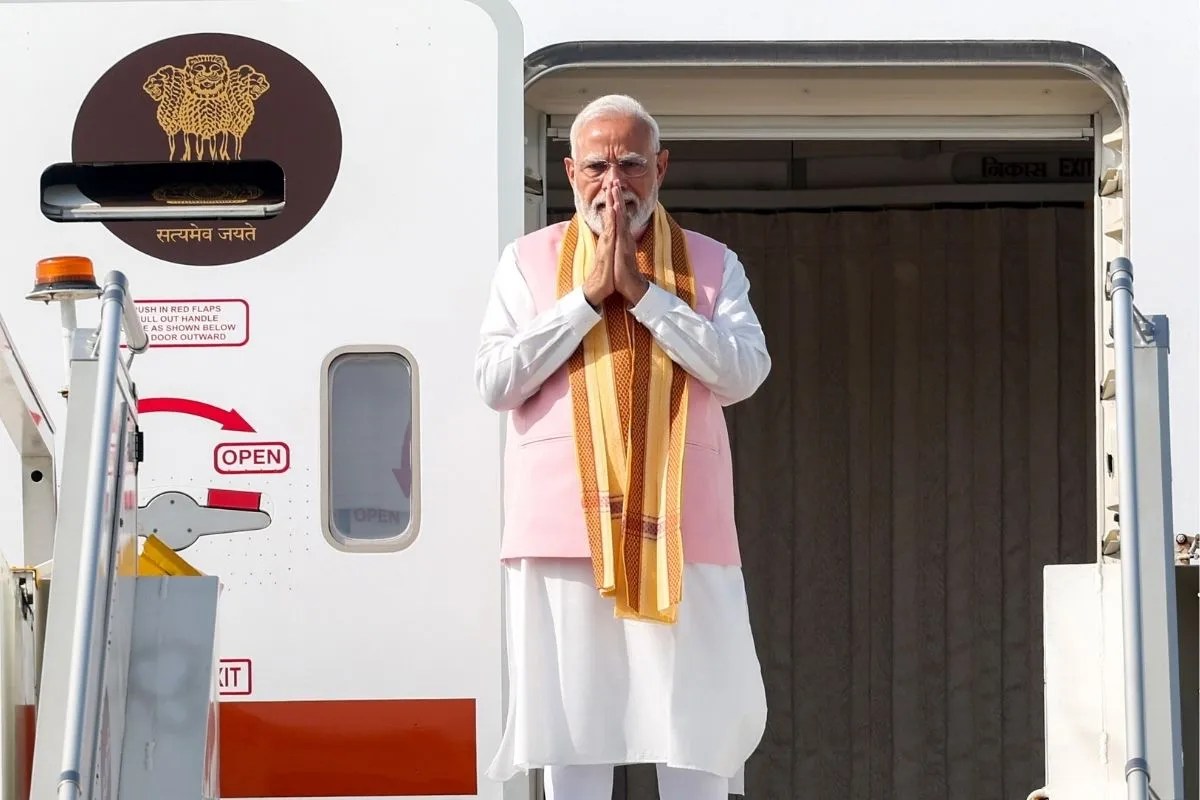
Major Rishabh Singh Sambyal didn't just take premature retirement; he disrupted how modern India looks at its armed forces. When a Para Special Forces officer who spent years operating in the shadows steps away from the uniform while holding massive public adoration, people pay attention. You probably remember him as the striking Aide-de-Camp to President Droupadi Murmu, shielding dignitaries from rain or handling high-stakes state protocols with absolute calm. Then came the announcement. He walked out of Rashtrapati Bhavan for the final time in August 2026, officially hanging up boots he swore he would never take off.
The Reality Behind the Uniform and the Viral Spotlight
Most defence aspirants dream of the journey Major Sambyal mastered. Hailing from a Dogra Rajput family in Jammu with deep martial roots, he cleared the National Defence Academy and Indian Military Training pipelines to join the esteemed Jat Regiment. Leading a Republic Day contingent takes raw precision. Volunteering for 4 Para (Special Forces) and earning the grueling Balidaan Badge takes something else entirely—grit that separates the ordinary from the elite.
Yet, social media changed the equation. Pictures of him holding an umbrella over the President or offering a quiet handkerchief during an emotional state event turned him into an internet phenomenon. Fan pages exploded. Millions watched his every public move. But viral fame and special operations soldiering pull in opposite directions. While internet culture dubbed him a national crush, the realities of military life demanded absolute operational anonymity. Stepping away at this juncture proves that personal transitions happen even at the highest echelons of power.
Why Officers Choose Premature Retirement
People often misunderstand premature retirement in military structures. It is not an abandonment of duty. It is a legal, calculated provision used by officers after fulfilling mandatory service blocks.
- Family obligations: Decades of separation, field postings, and high-risk environments take a heavy toll on personal lives.
- Shifting life horizons: Officers who enter the academy in their teens often reach a crossroads by their early thirties, evaluating whether to commit for the long haul or pivot to civilian leadership.
- The burnout of hyper-visibility: Balancing the intense secrecy required of Special Forces operators with unexpected public celebrity creates unique professional friction.
Sambyal made it clear in his post-retirement interactions that the decision came down to personal and family circumstances, backed by full household support. He didn't leave because he lacked capability; he left because life demanded a different vector.
What Comes Next After Rashtrapati Bhavan
When a decorated operator leaves the military early, speculation usually runs wild about corporate security gigs or political entry. Sambyal has kept his cards close to his chest. In his address to followers via social platforms, he emphasized that his commitment to the nation remains intact, even if the method changes. He isn't running away from his past; he is simply closing a chapter that defined his youth.
The takeaway here goes past celebrity worship or internet trends. Military service shapes character in ways few other professions can replicate, but uniform life has an expiration date for everyone. Whether you admired him marching down the ceremonial boulevard or leading tactical teams in rugged terrain, his next move will test whether the discipline of the Daggers can conquer the corporate and public sphere. Keep watching this space, because leaders of this caliber rarely stay quiet for long.