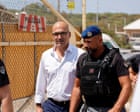
Nearly nine years after a remote-controlled car bomb tore through a country lane in Bidnija, silencing Malta’s most ferocious anti-corruption investigator, the courtroom drama has reached a shocking legal destination. A Maltese jury has cleared tycoon Yorgen Fenech of masterminding the assassination of journalist Daphne Caruana Galizia. By an eight-to-one majority vote, the panel dismissed charges of voluntary homicide complicity and criminal association.
For a public that watched the pillars of government crumble in the wake of the October 2017 bombing, this verdict feels less like an absolute closure and more like a systemic collapse. Fenech walked away from the dock unconvicted of ordering the hit, leaving behind a trail of exposed political corruption, secret power station deals, and unhealed national trauma.
The Anatomy of an Acquittal
To understand how a two-month trial featuring high-stakes testimony, middleman confessions, and secret recordings ended in an acquittal, one must look closely at how reasonable doubt was constructed in the courtroom. Fenech’s defense did not merely deny involvement; they played a sophisticated deflection game. They pointed fingers upward, claiming that the real architect of the conspiracy sat within the inner sanctum of the Prime Minister's office.
The trial exposed a cozy, toxic intersection of wealth and state power. Fenech, an influential businessman whose empire spanned luxury hospitality and energy projects, admitted to moving in the same social circles as top government officials. Yet, the jury ultimately decided that prosecutors failed to bridge the absolute evidentiary gap required to prove he personally funded and commanded the execution.
State prosecutors argued that Fenech paid one hundred and fifty thousand euros through a middleman, Melvin Theuma, to eliminate the journalist because her reporting threatened his business interests. Fenech countered that Theuma was a blackmailer and that he was merely a messenger caught in a political web orchestrated by Keith Schembri, the former chief of staff to then-Prime Minister Joseph Muscat.
The Shadow of Impunity
The fallout from Caruana Galizia’s death originally forced Muscat to resign, shook the European Union to its core regarding the safety of journalists, and laid bare a culture of institutional decay. Yet, as the courtroom doors swung open for Fenech's exit, the architecture of impunity remained completely intact.
Other hitmen and accomplices have faced severe sentences, including life terms for those who built and triggered the device. But the man accused of sitting at the top of the financial chain has beaten the most serious charge. This outcome sends a chilling message across the continent. When institutional checks fail during the initial hours of a high-profile investigation, accountability becomes nearly impossible to retrieve years down the line.
The prosecution plans to test the appellate courts, but legal experts note that overturning a jury's factual acquittal on appeal represents an uphill battle. The system that allowed networks of elite patronage to flourish in the smallest member state of the European Union has weathered the storm. Daphne Caruana Galizia exposed how power corrupts without consequence, and her final vindication remains deferred by the very courts designed to protect the truth.
/forbidden-city-beijing-8775c18670bd412d9b54daecba137c5c.jpg)