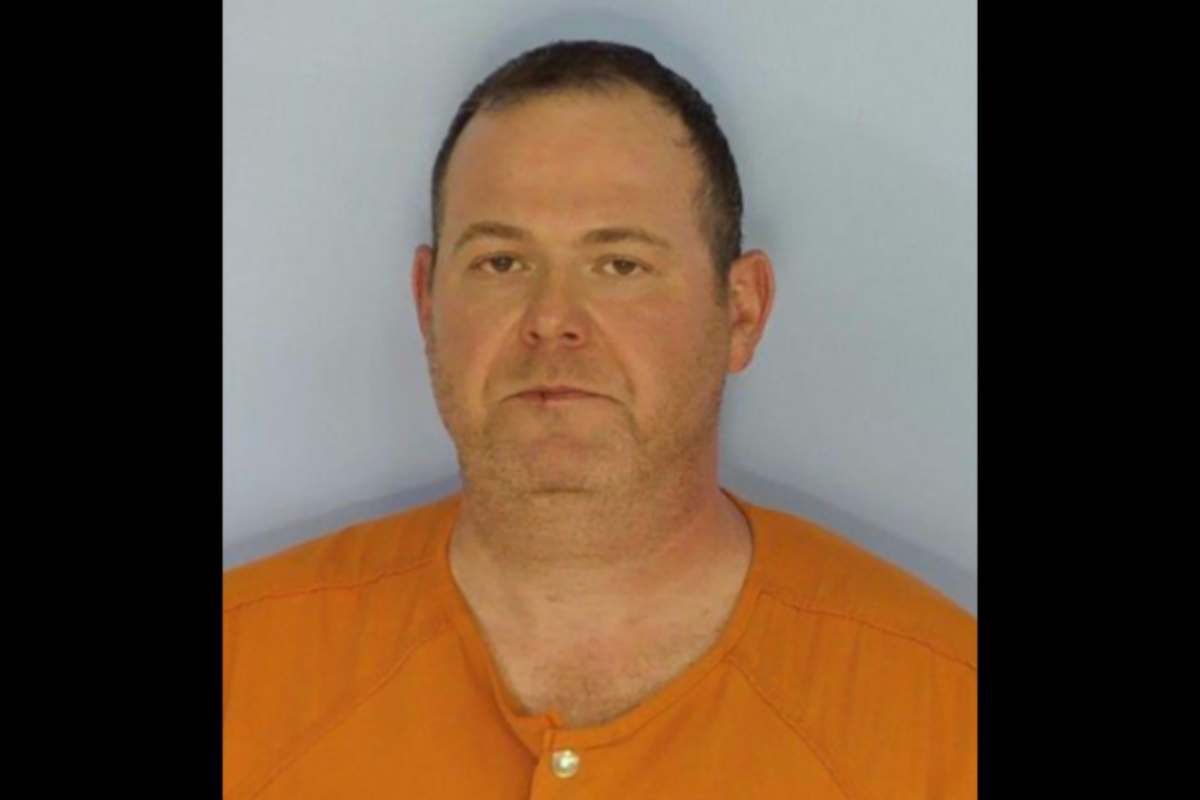
The headlines are bleeding with outrage. A Florida surgeon allegedly removes a liver instead of a spleen, the patient dies on the table, and the state responds with handcuffs. Manslaughter. It feels like justice. It feels like accountability.
It is actually a catastrophic failure of logic that will make your next surgery more dangerous. In other developments, we also covered: The Norovirus Surge and the High Cost of America’s Hygiene Illusion.
We love a villain. We want a name, a face, and a prison sentence to balance the scales when a routine procedure turns into a morgue visit. But treating a surgical catastrophe like a street mugging ignores the brutal reality of high-stakes medicine. If you think putting a doctor in a jumpsuit prevents the next "wrong-site" surgery, you don’t understand how the human brain—or the modern hospital—actually functions.
The Myth of the Careless Butcher
The public narrative assumes this surgeon simply didn't care. The "lazy consensus" suggests that if we just threaten doctors with enough jail time, they will suddenly "pay more attention." This is a fundamental misunderstanding of cognitive load and human error. WebMD has provided coverage on this fascinating topic in extensive detail.
In every other high-risk industry, we know better. When a pilot crashes a plane, we don't immediately scream "murder" unless there was intent to kill. We look at the cockpit ergonomics, the fatigue protocols, and the communication breakdown. We look at the Swiss Cheese Model of accident causation, popularized by James Reason.
In the Florida case, the "lazy" take is that one man’s incompetence killed a patient. The "insider" take is that a system allowed a surgeon to misidentify a primary organ. That doesn't happen in a vacuum. It happens when "Time Out" protocols become theater, when staffing shortages lead to exhausted surgical teams, and when the visual feedback in a crowded abdominal cavity is obscured by pathology.
Criminalization Drives Error Underground
Here is the dirty secret of the medical industry: we learn from mistakes. Or rather, we used to.
By shifting surgical errors from the realm of civil liability and medical board oversight into the criminal justice system, we are effectively nuking the Morbidity and Mortality (M&M) conference. For decades, these meetings have been the bedrock of surgical improvement. Surgeons stand up, admit they screwed up, and the peer group dissects the "why" so no one else repeats it.
The moment you introduce manslaughter charges, every lawyer in the country will tell their doctor-client to shut up.
- No more honest debriefs.
- No more "near-miss" reporting.
- No more transparency.
When you criminalize mistakes, you guarantee they will happen again because the data required to fix them is now legally radioactive. You aren't "cleaning up" the medical field; you are building a wall of silence that protects future errors.
The Anatomy of a Wrong-Site Error
Let's get technical. A liver and a spleen do not look the same. To a layman, the error seems impossible. But imagine a scenario where a patient has massive splenomegaly (an enlarged spleen) and significant hepatomegaly (an enlarged liver). The anatomy is distorted. Adhesions from previous surgeries have fused tissues. The "landmarks" a surgeon uses to navigate are gone.
Now, add the "Systemic Drift." This is a term used in safety science to describe how organizations slowly move away from strict safety margins to favor efficiency.
- The hospital pushes for faster "turnover times" between cases.
- The nursing staff is rotated, meaning the surgeon is working with a team he doesn't know.
- The imaging software glitches or isn't pulled up on the primary monitor.
By the time the scalpel touches skin, the "error" has already been baked into the process. The surgeon is just the person holding the bag when the timer goes off.
The False Promise of Deterrence
Does a manslaughter charge deter a surgeon from being "bad"? No. Surgeons are already the most Type-A, hyper-vigilant, ego-driven professionals on the planet. Their entire identity is wrapped up in "The Save." The threat of a lawsuit is already a constant, low-grade fever in their lives.
Adding the threat of a cell block doesn't increase focus. It increases Cognitive Tunneling. Under extreme stress—the kind induced by the fear of life imprisonment—the human brain narrows its focus. It loses peripheral awareness. It becomes more likely to fixate on a single task and miss the big picture.
We are literally stressing doctors into the exact mental state that causes wrong-site surgeries.
Your Surgeon Should Be Afraid, But Not of the Police
We should hold doctors accountable. If a surgeon is impaired by drugs, or if they have a history of gross negligence that the hospital ignored, take their license. Take their house. Take their career.
But when we cross the line into criminal prosecution for a cognitive failure during a complex procedure, we are telling the best and brightest to stay away from high-risk specialties. Why go into trauma surgery or neurosurgery when a bad day at the office—a day where your brain misinterprets a visual cue—could land you in a bunk bed with a guy named "Shifty"?
The result? A brain drain. The most talented medical students are already flocking to dermatology and plastic surgery. Low risk, high pay, zero chance of a prosecutor trying to make a name for themselves off your surgical complications.
Fix the Cockpit, Not the Pilot
If we actually wanted to stop patients from losing the wrong organs, we would stop obsessing over the "manslaughter" headline and start demanding structural changes that the industry resists because they are expensive.
- Mandatory Black Box Technology: Every OR should have a flight-recorder style system that tracks every word spoken and every movement made. Not for prosecution, but for mandatory, blinded review.
- RFID Tagging: If we can track a $10 Amazon package across the globe, we can tag a patient’s organs or surgical sites with biostickers that trigger an alarm if the wrong area is prepped.
- Hard Stops: Any member of the surgical team—from the scrub tech to the janitor—should be able to halt a surgery without fear of professional retaliation if they see a discrepancy.
The Florida case is a tragedy. But the legal response is a farce. It provides the public with a temporary dopamine hit of "justice" while ensuring that the systemic rot that led to the error remains untouched.
Stop asking if the surgeon belongs in jail. Start asking why the system was designed to let a human brain fail so spectacularly. If you don't, the next "wrong-site" headline won't be a fluke—it will be an inevitability that you helped create by demanding vengeance over viability.
Throw the book at him if it makes you feel better. Just don't act surprised when the next guy doesn't tell you what went wrong until it's too late for the lawyers to save you.