Canada has spent the last decade watching money walk out the door.
Between 2015 and 2024, more than $1 trillion in foreign capital packed up and left the country. The Royal Bank of Canada laid out the stark reality in a report: for every single dollar of foreign investment that entered Canada over that nine-year stretch, two dollars headed for the exit. RBC rightly labeled it the largest capital exodus in modern Canadian history.
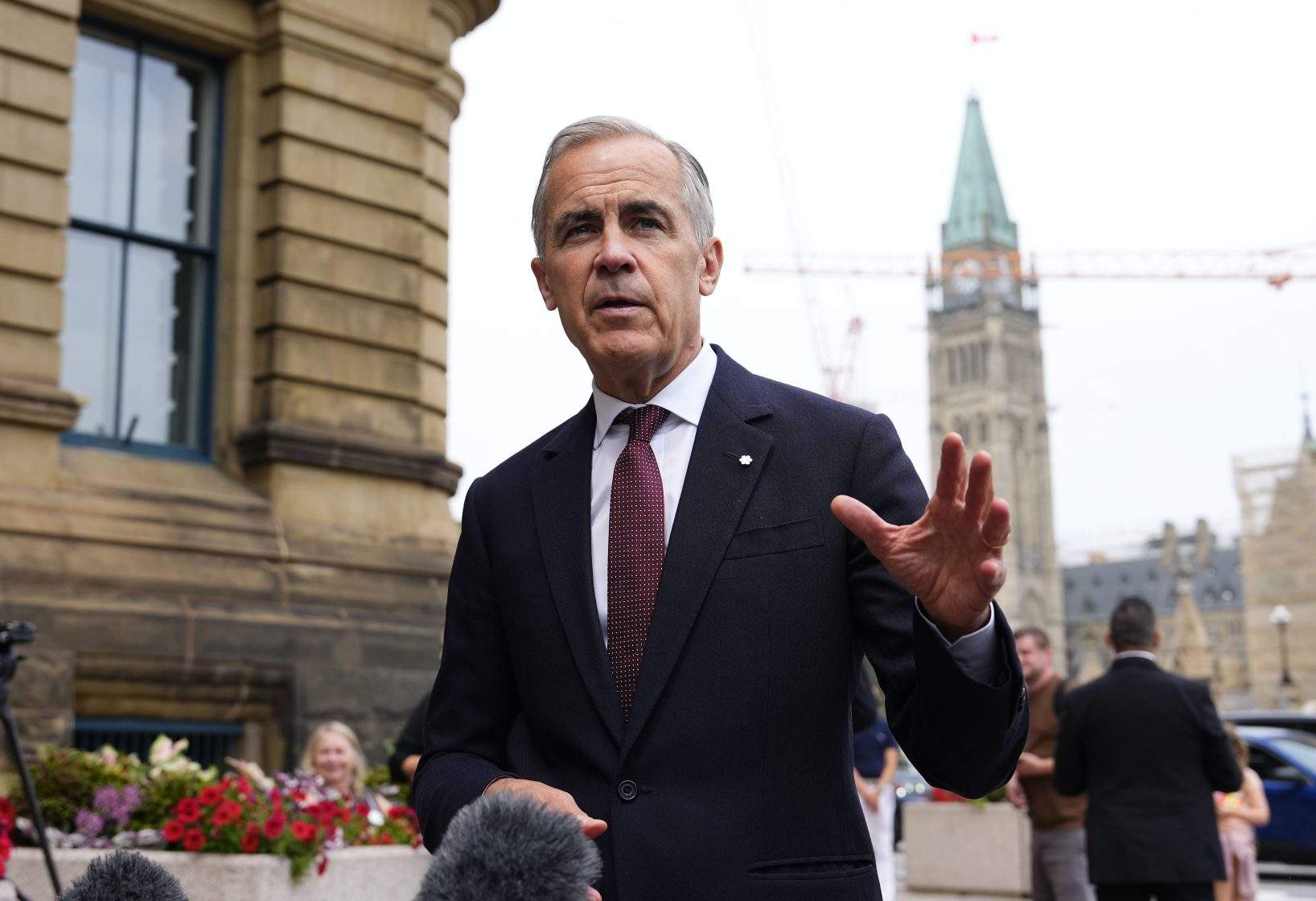
Now, Prime Minister Mark Carney thinks he can stem the tide.
On September 14 and 15, 2026, Carney is hosting the inaugural Canada Investment Summit in Toronto. Co-hosted by heavy hitters like CPP Investments and PSP Investments, the event is gathering around 100 of the world's most powerful institutional investors, sovereign wealth fund managers, and multinational CEOs. The goal? Trigger $1 trillion in new total investment over the next five years.
It sounds like a pipe dream. You don't reverse ten years of entrenched economic stagnation during a two-day corporate summit. But if you look past the photo ops, the calculus behind this move isn't as crazy as it seems.
The Anatomy of a Trillion-Dollar Leakage
To understand why money fled, you have to look at what Canada was doing for the past decade. Slow permitting processes, regulatory uncertainty, and shifting environmental mandates turned major Canadian projects into quicksand for capital. Investors got tired of waiting five to ten years just to get shovels in the ground.
Naturally, that capital drifted south. The United States, backed by massive industrial policy incentives like the Inflation Reduction Act, offered clear pathways and faster returns. Canadian energy, mining, and manufacturing projects simply couldn't compete.
The consequences hit hard:
- Domestic business investment flatlined relative to peer nations.
- Small businesses felt the squeeze, with closures outpacing openings for multiple consecutive quarters.
- Critical infrastructure stalled while demand grew.
Canada became a place where domestic pension funds felt more comfortable investing overseas than in their own backyard.
The Shift in Economic Strategy
Carney isn't approaching this like a traditional politician. He's approaching it like a central banker who understands how institutions deploy capital.
Instead of relying solely on tax credits or vague speeches, the government has been laying actual groundwork over the past year. The establishment of a dedicated Major Projects Office aims to streamline approvals for files deemed of critical national interest. Projects like Saskatchewan's McIlvenna Bay copper mine and Quebec's Contrecoeur Container Terminal are already getting fast-tracked.
The government isn't asking global investors to fund pure risk. Ottawa is putting up roughly $280 billion in targeted capital investments and incentives over five years, aiming to crowd in private capital to hit that $1 trillion benchmark.
It's a classic co-investment model. By bringing giant Canadian funds like CPP Investments to the table as co-hosts, the summit sends a signal: Canadian capital is going in first, lowering the risk for international partners.
Why the Timing Actually Matters
Global trade is fracturing. Ongoing tariff disputes with the United States and persistent geopolitical tensions across Europe and the Middle East are forcing global capital to re-evaluate risk.
Canada suddenly looks attractive for a few simple reasons:
- Resource Depth: Canada holds massive reserves of critical minerals—lithium, nickel, copper—that are vital for tech and defense supply chains.
- Energy Reliability: The country offers a mix of conventional energy and clean power capacity, from hydro to expanding nuclear grids.
- Fiscal Cushion: Among G7 nations, Canada maintains the lowest net debt-to-GDP ratio and a AAA credit rating.
There are early signs that the narrative is shifting. In 2025, foreign direct investment into Canada topped $96 billion—the highest single-year inflow since 2007. RBC estimates that if regulatory barriers continue to drop, Canada could attract up to $1.8 trillion in capital over the coming decade.
What Investors Need to Watch Next
A glossy conference in Toronto won't automatically write checks. Global capital requires concrete certainty before signing binding commitments.
If you're tracking whether this shift is real or just political theater, keep an eye on three specific indicators over the coming months:
- Permitting Speed: Watch if the Major Projects Office actually cuts approval timelines down to months instead of years.
- Infrastructure Commitments: Look for binding co-investments in liquefied natural gas, power grid expansions, and transportation corridors.
- Institutional Buy-In: Track whether domestic Canadian pension funds increase their asset allocation within Canada rather than abroad.
If those three pieces fall into place, September's summit could mark the turning point where Canada stops losing capital and starts compounding it.