Ayrshire sits at a crossroads that has nothing to do with its famous bypasses or coastal views. A massive data centre project is currently the talk of the region, promising a digital gold rush for a corner of Scotland that’s spent decades mourning the loss of heavy industry. But let's be real for a second. When a multinational tech firm rolls into a semi-rural area with promises of "regeneration," it’s rarely as simple as a few hundred jobs and some shiny new fiber cables. You have to ask if this is the lifeline Ayrshire needs or a resource-hungry beast that’ll leave the locals with nothing but higher energy bills and a spoiled horizon.
The proposed site near Hunterston is a prime example of this tension. On one hand, you’ve got a location with existing infrastructure and access to subsea cables that link the UK to the rest of the world. It’s a logical spot for a data hub. On the other hand, these facilities are notorious for their footprint. They’re essentially giant, humming warehouses filled with servers that eat electricity and spit out heat. The debate isn't just about whether we want the tech; it's about whether the trade-off is actually worth it for the people living in West Kilbride or Largs.
Why Scotland is the New Front Line for Data
Data centres used to be hidden away in nondescript industrial parks in Slough or East London. That’s changing fast. The surge in AI and cloud computing means companies need more space, more power, and, crucially, cooler climates to keep their hardware from melting. Scotland, with its chilly North Sea winds and abundance of renewable energy, is suddenly the most attractive girl at the dance.
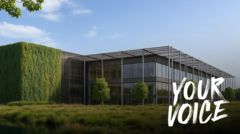
The Ayrshire project represents a shift in how we think about Scottish land use. We aren't just farming sheep or generating nuclear power anymore. We're hosting the world’s digital "brain." But don't let the clean, corporate renders fool you. A data centre is an industrial utility. It doesn't have the soul of a factory or the community buzz of a high street. It’s a silent, high-security fortress.
The Economic Myth of the Data Centre
Politicians love to talk about "high-value jobs." It sounds great in a press release. However, if you've ever actually stepped inside a Tier 3 or Tier 4 data centre, you’ll know they are surprisingly empty. Once the construction crews pack up and the servers are racked, these buildings don't need thousands of workers. They need a handful of security guards, some specialized cooling engineers, and a few IT technicians.
The real economic benefit isn't in the direct headcount. It’s in the business rates paid to the local council and the potential for a "cluster effect." The theory is that if you build the data hub, other tech companies will follow. It’s the "Field of Dreams" approach to Scottish economic policy. If you build it, will they actually come? In places like Dublin, this worked. In other parts of the world, it just led to a massive building that does nothing for the local pub or the nearby primary school.
Power Struggles and the Grid
We need to talk about the electricity. A data centre of the scale proposed for Ayrshire can consume as much power as a small city. Scotland produces a lot of green energy, sure. We’ve got wind turbines coming out of our ears. But that power needs to be managed. When a massive data facility plugs into the grid, it puts a strain on the local infrastructure.
There’s a genuine risk that the "green" energy we're so proud of will be swallowed up by private servers rather than lowering the bills of local residents. If the grid isn't upgraded properly, the arrival of a tech giant could actually stifle other local developments. You can’t build a new housing estate or a small business park if the data centre has already claimed the available capacity. It’s a zero-sum game that rarely gets mentioned in the planning meetings.
Environmental Impact Beyond the Carbon Footprint
The "green" label gets slapped on these projects because they use renewable energy, but that’s a narrow way to look at the environment. Think about the cooling. Servers generate an incredible amount of heat. Traditionally, this was managed by massive air conditioning units or water-cooling systems.
If the Ayrshire site uses water-cooling, where does that water come from? And where does it go once it’s been heated up? Pumping warm water back into the Firth of Clyde isn't exactly a neutral act for marine life. Then there’s the noise. Imagine a low-frequency hum, 24 hours a day, 365 days a year. For those living nearby, that’s not "revitalization." That’s a nuisance.
The Land Use Dilemma
Hunterston has always been an industrial site, but it’s also a gateway to the Isles and a significant part of the coastal landscape. A data centre is a massive, windowless box. Architecturally, they’re about as inspiring as a shoe box. We have to decide if we're okay with turning our coastline into a series of server farms.
Some argue that it’s better than a derelict site. I get that. But we shouldn't settle for the first big corporate entity that flashes a checkbook. Ayrshire deserves a development strategy that integrates with the community, not one that walls itself off behind three layers of electrified fencing and biometric scanners.
What Happens if the Tech Bubble Bursts
We’re currently in an AI gold rush. Every company on earth is scrambling for compute power. But tech cycles don't last forever. What happens in twenty years if the way we store data changes? What if decentralized edge computing makes these massive central hubs obsolete?
We could be left with "ghost" data centres—enormous, hollowed-out concrete shells that are too specialized to be used for anything else and too expensive to tear down. We’ve seen this movie before in Scotland with the "Silicon Glen" era. We chased the semiconductor and PC assembly jobs, and when the market shifted, the factories closed and the towns were left reeling. We can't afford to make the same mistake with data.
A Better Way Forward
If Ayrshire is going to host these giants, the community needs to demand more than just a few "community fund" crumbs. We should be looking at district heating schemes. All that waste heat from the servers? It should be piped into local homes and greenhouses, providing free or cheap heating for the people of Fairlie and West Kilbride. That’s a tangible benefit.
We should also be demanding that the fiber infrastructure isn't just for the data centre. If they're digging up the roads to lay high-speed lines, every school and library in the region should be hooked up to that same lightning-fast connectivity. If the tech giants want to use our land and our wind, they should pay a "digital toll" that directly improves the lives of the people living next door.
Stop looking at the data centre as a standalone project. It has to be part of a broader ecosystem. If we just let them build a fortress, we lose. If we force them to integrate and contribute to the local energy and digital infrastructure, Ayrshire might actually stand a chance at a real, long-term recovery.
Check the local planning portal for the latest environmental impact assessments. Look specifically at the projected water usage and the noise mitigation plans. If those details are vague, start asking your local councilors why. Don't wait until the foundations are poured to realize the "digital future" is just a noisy neighbor that doesn't pay its fair share.