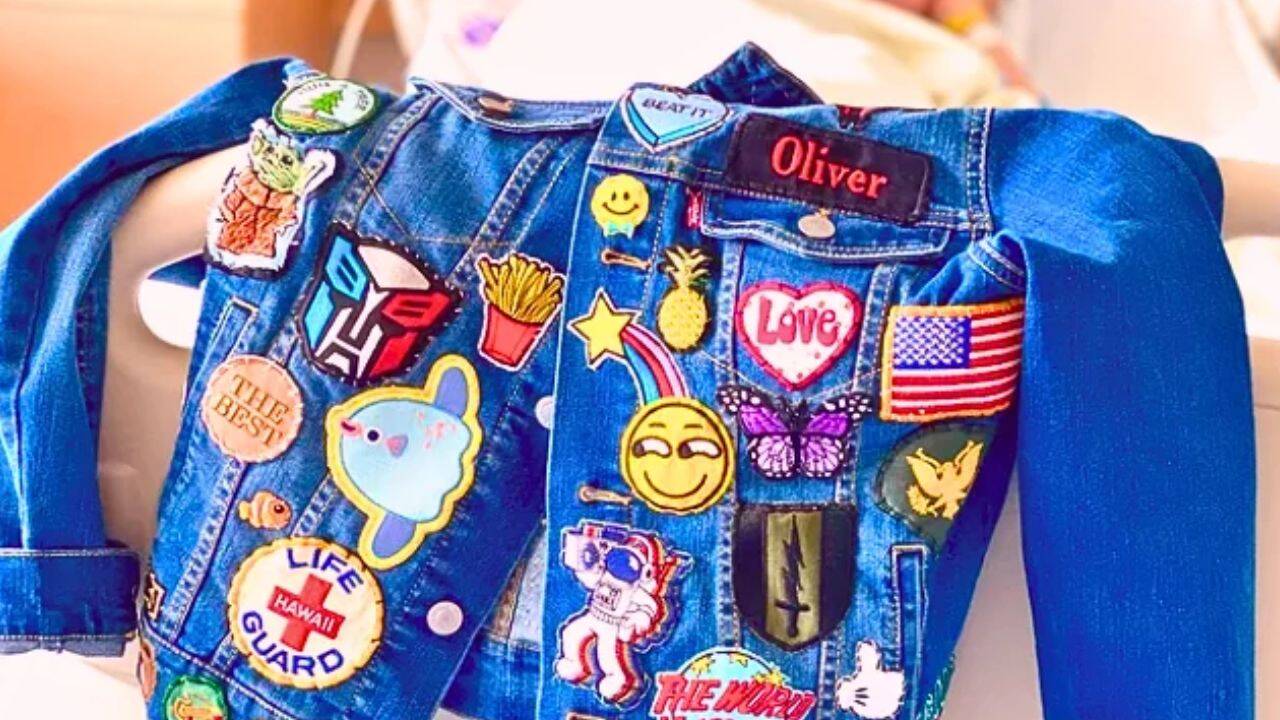
Viral charitable campaigns rarely succeed through sheer emotional resonance alone; they scale because specific structural friction points are removed at the exact moment a high-trust network encounters an actionable, low-cost request. When a single social media appeal results in 2,000 physical patches reaching a pediatric leukemia patient, the outcome is not a statistical anomaly or an unquantifiable stroke of luck. It is the predictable output of micro-philanthropic supply chains, asymmetric trust transfer, and hyper-tangible contribution metrics. Analyzing this phenomenon through an operational lens exposes why conventional nonprofit fundraising bleeds efficiency while decentralized, peer-to-peer physical drives achieve near-zero customer acquisition costs and rapid fulfillment velocity.
The Architecture of Low-Friction Micro-Philanthropy
Standard institutional fundraising suffers from severe abstraction penalties. Donors asked to contribute cash to a generalized cancer research fund face high cognitive friction: the utility of their dollar is diluted across administrative overhead, multi-year clinical trials, and opaque distribution networks. In contrast, a targeted request for a physical, low-cost item—such as a uniform patch, a sticker, or a postcard—fundamentally alters the donor's cost-benefit calculation.
This mechanism operates through three distinct variables:
- Unit Cost Compression: The financial outlay required to purchase and mail a single fabric patch typically falls under ten dollars. By lowering the capital threshold below the level of conscious budgetary scrutiny, the campaign eliminates financial hesitation. The decision shifts from an economic calculation to an impulse-driven social signal.
- Tangible Impact Verification: Cash disappears into a ledger; a physical artifact occupies space and serves an immediate, visible function for the recipient. For a pediatric leukemia patient undergoing prolonged inpatient chemotherapy or isolation protocols, physical items serve as environmental modifiers that counteract clinical sterility. The sender knows with absolute certainty how the contribution will be utilized.
- Logistical Simplicity: Traditional physical goods drives fail when they require specialized packaging, freight coordination, or strict inventory matching. A flat, lightweight textile item fits inside a standard paper envelope and travels via baseline postal infrastructure. The sender does not need to navigate complex e-commerce portals or tax-deduction forms; they execute a familiar, analog workflow.
The failure of most grassroots campaigns stems from an inability to align these three variables. When organizers ask for high-cost items, complex custom fabrication, or cash transfers without immediate visual feedback loops, conversion rates collapse at the point of friction.
Asymmetric Trust Transfer and Network Topology
A post originating from a private individual lacks the institutional authority of a hospital foundation, yet it possesses superior viral velocity within specific social graphs. This dynamic relies on asymmetric trust transfer—the process by which credibility is borrowed from high-trust nodes and projected onto a peripheral request.
In pediatric health crises, the initial broadcast typically originates from a parent or close relative. Within their immediate first-degree network, trust is absolute, and skepticism regarding fraud is zero. When these first-degree nodes share the appeal, they act as human verification filters for their own second-degree connections. A stranger will ignore a cold solicitation from a charity, but they will act upon a shared request endorsed by a colleague, neighbor, or former classmate.
The specific nature of the requested item—patches—introduces a secondary network multiplier: occupational affinity. Patches are the standard currency of identity and rank within rigid, uniformed institutions, including law enforcement, fire services, emergency medical technicians, military units, and aviation crews. These sectors operate as tightly coupled, high-solidarity sub-networks with established internal communication channels.
When a request for patches penetrates a single local police precinct or firehouse, it triggers an institutional cascade. Unlike the general public, who must go out of their way to source a patch, uniformed personnel possess surplus inventory in their lockers, desks, and supply rooms. The acquisition cost for this demographic drops to zero. Furthermore, departmental culture incentivizes collective participation; if one officer mails a precinct patch, adjacent officers and neighboring jurisdictions replicate the behavior to maintain unit representation. The campaign effectively hijacks existing bureaucratic supply chains and repurposes them for rapid, decentralized fulfillment.
The Economics of Attention and Psychological Utility in Pediatric Care
To understand why 2,000 patches hold measurable value beyond sentimentality, one must examine the operational reality of pediatric leukemia treatment. Acute lymphoblastic leukemia (ALL) and acute myeloid leukemia (AML) require intensive, multi-phase chemotherapy regimens, often accompanied by bone marrow transplants and extended periods of neutropenic isolation.
During prolonged hospitalization, pediatric patients experience severe environmental deprivation and loss of agency. Every clinical interaction—blood draws, port access, vital sign checks—reinforces the patient's passive status. Introducing a massive, continuous influx of physical mail alters the daily operational rhythm of the hospital room.
- Temporal Structuring: Daily mail delivery introduces a predictable, positive milestone into an otherwise monotonous clinical schedule. Sorting, opening, and cataloging incoming envelopes provides structured cognitive engagement that distracts from physical discomfort and treatment anxiety.
- Spatial Reclamation: Hospital rooms are designed for infection control and clinical efficiency, resulting in sterile, impersonal environments. Covering walls, bulletin boards, or custom display banners with thousands of distinct visual artifacts transforms a medical facility into a personalized territory.
- Social Proof and Isolation Mitigation: Immunocompromised patients cannot receive physical visitors due to infection risks. A physical collection of 2,000 items sent from disparate geographic locations serves as a tangible proxy for human presence, demonstrating broad external support without violating isolation protocols.
From a behavioral economics standpoint, the campaign converts diffuse public sympathy—an asset with zero direct utility to a patient—into concentrated psychological capital. Each patch represents a discrete unit of external validation that the patient and their family can physically manipulate and display.
Supply Chain Bottlenecks and Operational Risks of Viral Success
While reaching a volume of 2,000 physical items validates the viral mechanics of the appeal, uncalibrated success introduces severe logistical liabilities. Grassroots organizers rarely anticipate the administrative burden of managing high-volume inbound logistics while simultaneously navigating a medical crisis.
The primary operational bottlenecks include:
- Fulfillment Saturation: Processing 2,000 individual pieces of mail requires dozens of hours of manual labor—opening envelopes, extracting contents, reading accompanying letters, and disposing of packaging waste. For parents already operating under extreme sleep deprivation and cognitive load, this sudden influx of administrative work can become an acute stressor rather than a relief.
- Storage and Sanitation Constraints: Pediatric oncology wards enforce strict infection control standards. Fabric items arriving from thousands of unverified residential and commercial environments carry dust, allergens, and potential pathogens. Hospital staff frequently restrict the volume of porous textiles allowed inside inpatient rooms, forcing families to transport, launder, or store the bulk of the collection off-site.
- Privacy and Security Exposure: To receive physical mail, organizers must publish a destination address. When a campaign scales beyond a regional network into national or international visibility, publishing a home address creates permanent physical security vulnerabilities. Even when utilizing a hospital mailroom or a P.O. Box, the sudden surge in volume can overwhelm institutional mail sorting facilities, leading to lost packages, delayed medical correspondence, and administrative friction with healthcare providers.
- The Attention Cliff: Viral social media waves follow a steep power-law distribution. Inbound volume peaks violently within 72 to 96 hours of algorithmic amplification and then drops to near zero. While the sudden surge creates an immediate high, the abrupt cessation of mail can inadvertently trigger a secondary emotional downturn for a young patient who has grown accustomed to daily deliveries.
Strategic Framework for Replicating High-Velocity Physical Drives
Organizations, patient advocates, and families seeking to engineer similar grassroots mobilization must move beyond passive hope and deploy structured operational controls. Relying on organic virality without infrastructure invites logistical failure.
Step 1: Isolate the High-Affinity Target Demographic
Do not broadcast a generic appeal to the public. Identify a specific item tied to an organized, high-solidarity subculture—patches for first responders, stickers for motorsport enthusiasts, or pins for scouting organizations. Design the initial copy to explicitly trigger occupational pride and unit representation, ensuring the target demographic feels compelled to represent their specific geography or department.
Step 2: Establish a Buffered Logistics Node
Never utilize a residential address or a direct inpatient room number as the public destination. Before launching the appeal, secure a dedicated commercial mail receiving agency (CMRA) box or coordinate with a hospital's child life department to establish a centralized intake buffer. This prevents residential security breaches and allows hospital staff to screen and sanitize items before they enter sterile clinical zones.
Step 3: Deploy Asynchronous Triage Teams
Assign a dedicated secondary node—such as an extended family member, a community volunteer, or a local service club—to manage the physical intake, sorting, and cataloging of incoming items. The primary caregivers must remain insulated from the manual labor of opening thousands of envelopes. The triage team should batch the items, delivering a controlled, steady supply of 15 to 20 items per day to the patient. This flattens the viral curve, preventing room clutter and extending the psychological benefits over months rather than days.
Step 4: Close the Loop with High-Signal Visual Feedback
Viral momentum decays rapidly without proof of receipt. Organizers must capture high-resolution, visually dense photographs showing the physical accumulation of the items—such as a wall covered in patches or a patient holding specific batches—and feed those images back into the exact social nodes that drove the initial shares. This validates the donors' low-cost investment, triggers a secondary wave of late-stage contributions, and provides the necessary social proof to sustain engagement throughout the duration of the treatment protocol.
To maximize the return on attention in any grassroots campaign, organizers must stop treating public sympathy as an abstract sentiment and start managing it as a high-velocity supply chain problem.