The docks at Shanghai do not sleep. They breathe in diesel smoke and exhale steel.
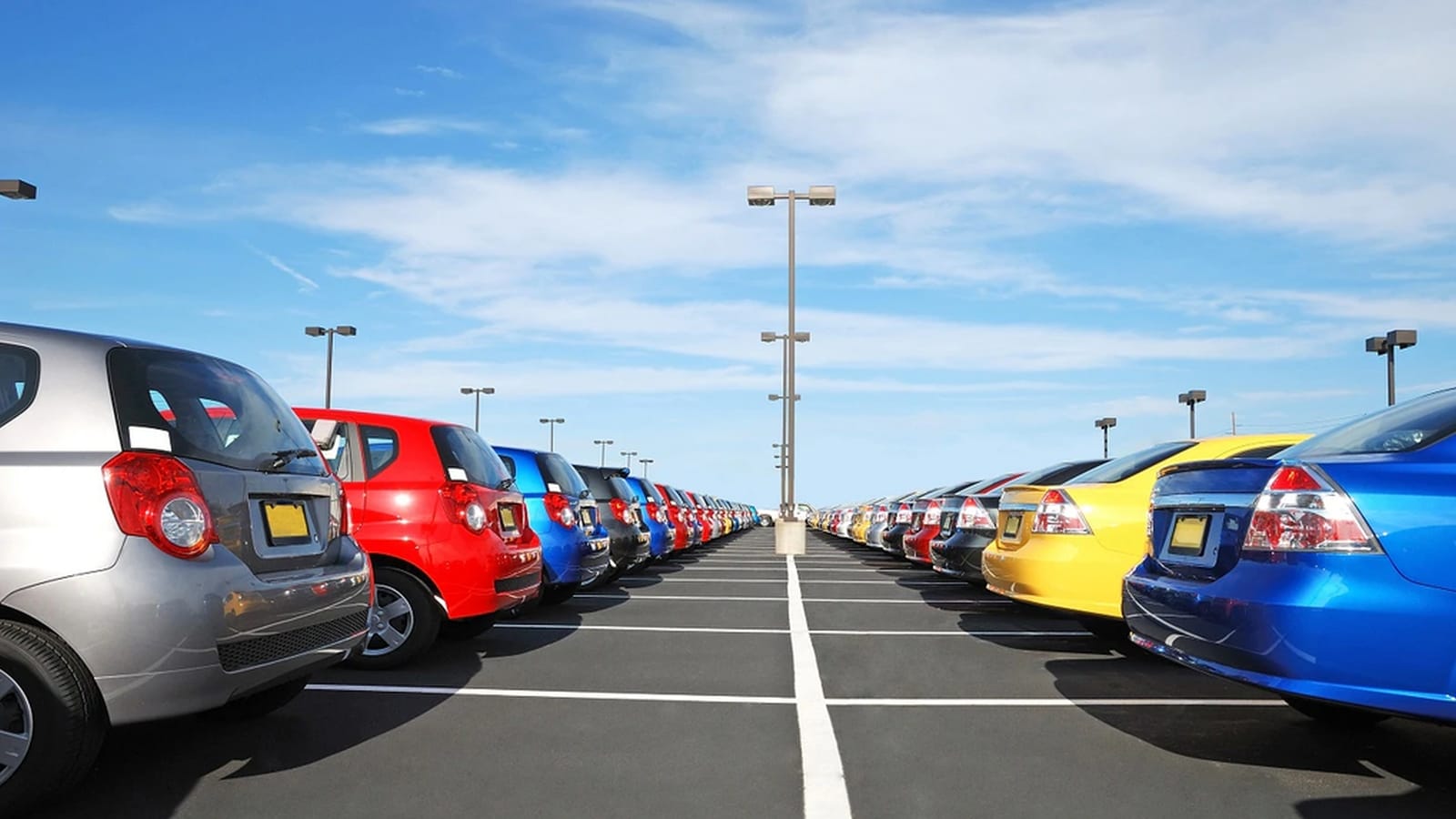
At midnight, standing on the edge of the concrete pier, the wind carries a sharp tang of saltwater and fresh paint. Row upon row of vehicles stretch into the hazy distance, thousands of them, painted in pearl white, midnight black, and electric blue. Their headlights catch the amber glare of towering gantry cranes. They are silent. They are waiting. Soon, massive hydraulic ramps will lower, swallowing them into the cavernous belly of a ro-ro vessel—a roll-on/roll-off floating parking garage designed to haul thousands of tons across stormy seas. Don't miss our recent coverage on this related article.
This is not just shipping logistics. This is an exodus.
Back in the quiet suburbs of interior provinces, assembly lines hum with a relentless, mechanical rhythm. Robotic arms weld seams with blinding flashes of blue light. Inside these factories, workers watch digital readouts tick upward. They know the domestic market. They know the fierce, bruising price wars that have turned local showrooms into battlegrounds of attrition. Margins are razor-thin at home. The roads are saturated. If you want more about the background of this, The Motley Fool offers an excellent summary.
So the factory floor looks outward. Toward the horizon.
Consider what happens when a domestic market reaches its saturation point. Production capacity does not simply slow down; it builds pressure, like steam trapped in an iron kettle. For Chinese automobile manufacturers, that pressure found an outlet across the waves. September told the story in stark, undeniable numbers. Exports surged, painting a vivid picture of a tectonic shift in global commerce.
(Note: This statistical surge reflects official customs data showing robust outbound shipment volumes from major Chinese automakers during the autumn shipping window.)
Imagine a port manager in Rotterdam or Antwerp standing on a rain-slicked quay. Ten years ago, the ships arriving from the East carried electronics, textiles, and plastic toys. Today, they carry the future of mobility. Sleek electric crossovers, battery-electric sedans, and hybrid SUVs roll off the ramps, bearing brand names that European and Latin American consumers are learning to spell for the first time.
The strategy is calculated, cold, and entirely necessary for survival. When domestic growth slows, global expansion becomes the oxygen tanks for manufacturing giants.
Yet, numbers on a spreadsheet obscure the human reality on both ends of the journey.
In a suburban garage in São Paulo, a father plugs in his new electric hatchback. He smiles as the dashboard lights up with a soft chime. He did not buy it out of abstract loyalty to a brand; he bought it because the math made sense, the interior felt like a luxury lounge, and the price tag did not bankrupt his savings. He is part of a quiet revolution happening in driveways across the Southern Hemisphere and Europe.
Meanwhile, back in the bustling corporate towers of Shenzhen, engineers stare at international shipping manifests. They are tracking customs clearances in Australia, regulatory approvals in Germany, and charging infrastructure growth in Southeast Asia. Their sleepless nights are no longer spent worrying about domestic sales quotas. Now, they worry about geopolitical headwinds, tariffs, dockworker strikes in foreign ports, and the delicate art of building global brand trust from scratch.
Trust cannot be stamped out by a robotic arm. It must be earned, dealer by dealer, repair shop by repair shop.
The transition from a domestic powerhouse to an international juggernaut is fraught with friction. Protectionist walls rise in some capitals. Trade ministers furrow their brows over market disruption. Headlines flash warning signals about overcapacity and trade imbalances.
(Note: These geopolitical tensions represent the regulatory realities and trade policy debates currently unfolding between major global economies.)
Despite the turbulence, the ships keep sailing.
The economic physics are simple. When you build millions of vehicles efficiently, you must find millions of buyers. If the local street corners are full, you look across the ocean. The September surge was not an anomaly; it was a symptom of a permanent structural realignment. The center of gravity in automotive manufacturing is shifting eastward, and its ripples are washing up on shores thousands of miles away.
Watch the horizon as the sun rises over the harbor. Another vessel pulls away from the pier, sitting low in the water, heavy with cargo. It slips past the breakwater, heading into the open deep, carrying thousands of silent promises wrapped in steel and silicon.