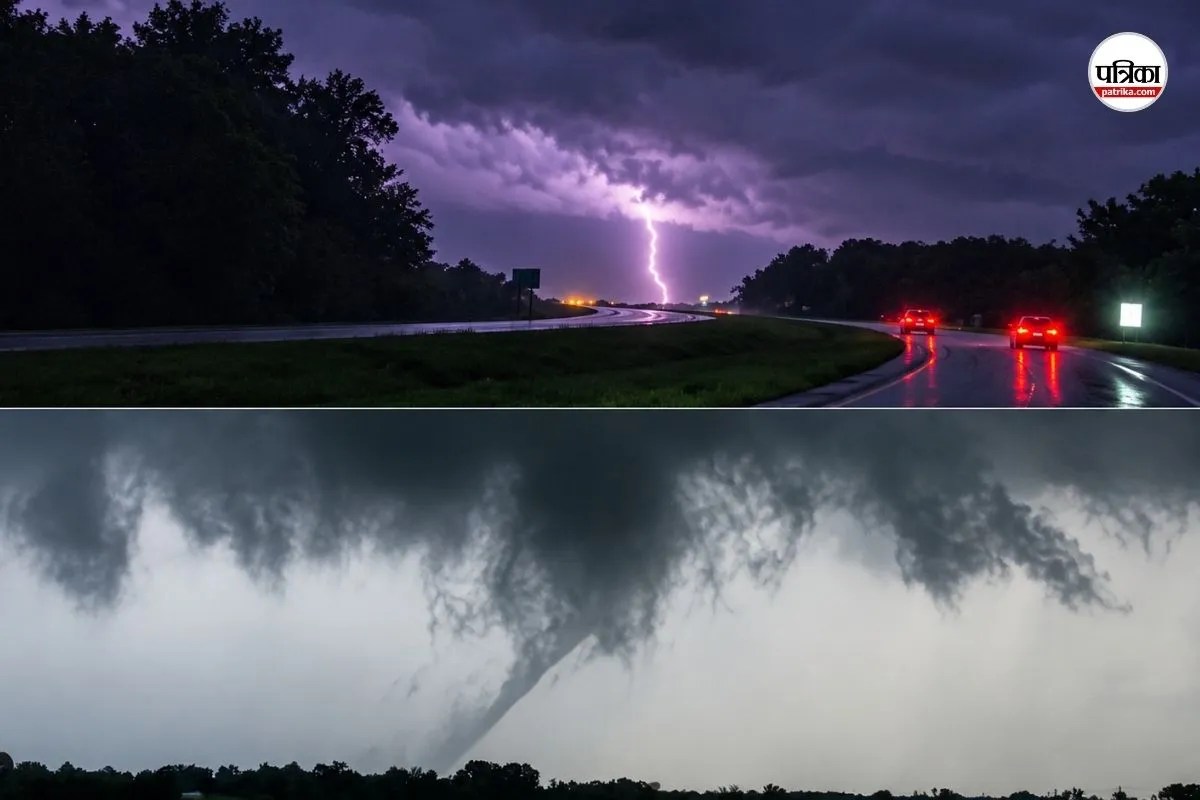
Severe convective systems present compound vulnerabilities for municipal infrastructure, shifting the operational calculus from standard precipitation management to emergency response under tight time constraints. Recent meteorological events across the Midwest, specifically affecting central Ohio and the Columbus metropolitan area, demonstrate how convective wind shear, high moisture saturation, and localized rotation converge to test municipal resilience. Deconstructing these episodes requires examining the mechanical drivers of flash flooding, wind-induced structural failures, and grid vulnerabilities.
The Hydraulic Mechanics Of Urban Flash Flooding
Urban environments alter natural hydrological cycles through high percentages of impermeable surface area. When precipitation rates outpace the design capacity of municipal drainage systems, surface runoff volume increases exponentially.
- Saturation Thresholds: Soil profiles burdened by consecutive days of prior precipitation lose absorption capacity entirely.
- Runoff Velocity: Concrete and asphalt channels accelerate water transit, turning standard drainage paths into high-velocity vectors that threaten localized infrastructure and transit routes.
- Hydraulic Backpressure: Rising creeks and river tributaries restrict outfall discharge, causing water to back up through storm sewers and inundate low-lying residential corridors.
When rainfall exceeds cumulative thresholds of one to three inches within short windows, subterranean drainage networks reach critical flow capacity. The resulting surface pooling bypasses standard gravity drainage, requiring active hydraulic intervention and emergency road closures.
Atmospheric Shear And Convective Wind Dynamics
Severe thunderstorm watches and warnings issued by meteorological agencies are driven by specific vertical wind shear parameters. In central Ohio convective events, the primary threat vector often bifurcates into straight-line winds exceeding sixty miles per hour and low-level rotation capable of generating brief funnel clouds.
- Kinetic Energy Transfer: High-velocity downdrafts strike the surface, spreading horizontally and exerting extreme lateral pressure on architectural facades, communication masts, and overhead utility lines.
- Vorticity Generation: Low-level speed and directional shear stretch ambient rotation, creating localized funnel dynamics that intensify property damage footprints without necessarily organizing into sustained, long-track tornadoes.
Understanding this mechanism explains why damage patterns appear fragmented rather than linear. Microbursts and transient vortices target specific structural elevations, leaving adjacent blocks unaffected while collapsing mature tree canopies and utility poles nearby.
Infrastructure Vulnerability Matrices And Grid Failure
The intersection of high wind speeds and saturated soil creates systemic fragility within regional power distribution networks. Overhead electrical infrastructure relies on structural balance between pole integrity, span tension, and surrounding arboricultural management.
- Root Plate Failure: Saturated soil loses shear strength, allowing root systems of mature trees to anchor with significantly reduced resistance against lateral wind loads.
- Catenary Span Interruption: Falling timber places immediate mechanical stress on conductor lines, initiating cascading circuit trips across regional substations.
- Substation Inundation: Low-lying electrical switchyards face secondary risks from rising flash flood waters, forcing preventive shutdowns that extend outage durations for commercial and residential consumers.
Utility operators must transition from reactive clearing protocols to predictive vegetation management, targeting high-risk buffer zones where tree failure directly jeopardizes primary feeder lines.
Resource Allocation Under Compression
Municipal emergency management operates under strict resource constraints during multi-hazard weather events. First responders must balance water rescue operations, traffic control at flooded intersections, and coordination with state-level assets such as the National Guard.
- Triage Efficiency: Dispatch systems face high call volumes, requiring automated geographic clustering to prioritize life-safety incidents over property-damage reporting.
- Logistical Redundancy: Emergency response corridors frequently become impassable due to downed wires or standing water, necessitating high-clearance tactical vehicles for extraction operations.
Deploy municipal capital projects toward decentralized stormwater retention and underground utility hardening to mitigate the economic toll of recurring convective weather anomalies.


