Severe weather events in the northeastern United States are frequently analyzed through an emotional lens of recovery rather than an operational lens of systemic failure. When a high-impact storm system triggers regional flooding, structural damage, and localized fatalities, the standard media narrative focuses on the immediate human toll while ignoring the underlying mechanics of civil vulnerability. A rigorous deconstruction of such meteorological events requires examining how geographical topography, deferred capital expenditure on municipal drainage, and power grid architecture intersect to produce catastrophic urban outcomes.
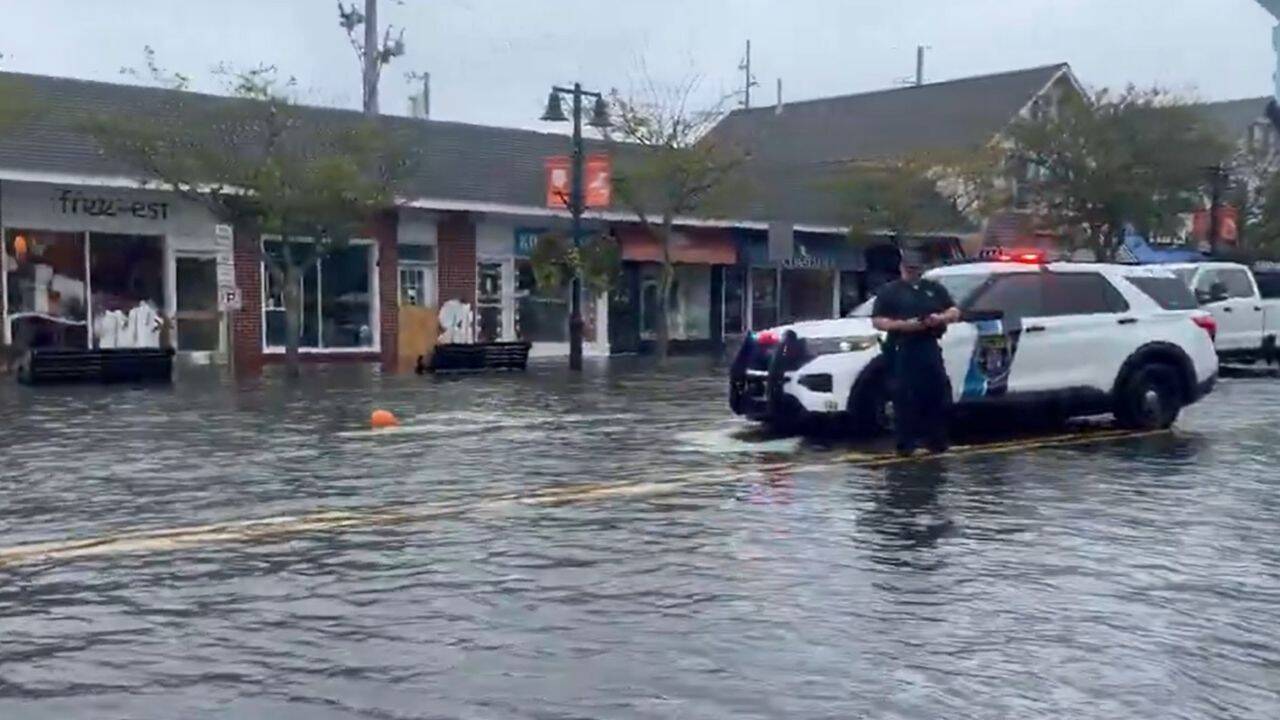
The northeastern corridor operates within a densely populated, aging infrastructure framework where civil engineering standards from the mid-twentieth century encounter unprecedented precipitation loading rates. Understanding this dynamic demands looking past the headline figures of wind speeds and total rainfall. The true analytical metric of a storm's severity is its capacity to exceed the baseline absorption threshold of urban watersheds. When precipitation rates outpace soil saturation limits and storm sewer discharge capacities simultaneously, surface runoff becomes unmanaged kinetic energy, routing directly into low-lying transport arteries and subterranean residential zones.
The Cost Function of Urban Drainage Failure
Municipal stormwater management is governed by a deterministic cost-benefit analysis that balances capital construction expenses against the statistical probability of extreme weather events. Cities historically design drainage networks around recurrence intervals—such as the hundred-year storm model—which rely on stationary historical climate data. This modeling paradigm fails in contemporary operational environments due to accelerating atmospheric moisture retention and altered jet stream dynamics.
When an unseasonably intense low-pressure system drops several inches of rain within a compressed window, the cost function shifts abruptly from capital optimization to emergency crisis response. The mechanics of this failure involve three distinct phases:
- Infiltration Saturation: Soil structures reach maximum volumetric water content, eliminating natural sub-surface drainage pathways and forcing 100 percent of subsequent precipitation into surface runoff.
- Hydraulic Bottlenecking: Runoff enters catch basins that are frequently obstructed by organic debris or constrained by legacy pipe diameters that cannot accommodate volumetric spikes.
- Backflow and Surcharging: Sub-surface pressure forces water backward through municipal lines, resulting in street-level geysers and basement inundations that compromise residential structural integrity and electrical panels.
This cascade explains why flash flooding occurs miles inland from coastal storm surges. The problem is not merely an excess of water; it is a structural mismatch between modern hydrological loading and legacy drainage capacity.
Power Grid Vulnerability and Radial Distribution Limits
Simultaneously, severe wind and rain events expose structural fragilities in regional electric utilities. The northeastern power grid relies heavily on overhead radial distribution lines running through heavily forested corridors. While undergrounding power lines mitigates weather-related outages, the capital expenditure required for widespread conversion remains economically prohibitive for private utility operators absent heavy state subsidization.
The failure mechanics of overhead distribution during high-wind storms involve mechanical shear stress on aging timber poles and conductor bridging caused by falling canopy limbs. When multiple distribution feeders trip offline simultaneously, substation isolation protocols trigger protective shutdowns to prevent equipment destruction. This results in widespread, multi-day outages that decouple residential populations from critical services, including home medical equipment, well water pumps, and local municipal heating plants.
The economic drag of these outages extends far beyond lost commercial productivity. Extended power loss disables sump pump infrastructure in residential basements, creating a feedback loop where storm-induced flooding is subsequently compounded by total electrical failure, preventing remediation efforts until utility crews clear physical hazards from roadways.
Risk Mitigation and Capital Allocation Priorities
Mitigating the vulnerabilities exposed by severe storms requires shifting policy from reactive disaster relief to preemptive structural hardening. Municipalities face stark choices regarding capital allocation. Elevating electrical substations above historical flood plains, replacing century-old combined sewer systems with separated sanitary and stormwater networks, and enforcing stricter utility vegetation management clearances are high-cost, multi-year engineering challenges.
Without significant structural interventions, urban centers in the northeast will continue to absorb escalating economic and human losses with each meteorological anomaly. The recurrence of fatalities and widespread structural disruption is not an unpredictable act of nature, but the quantifiable cost of maintaining legacy infrastructure in an era of heightened environmental volatility.