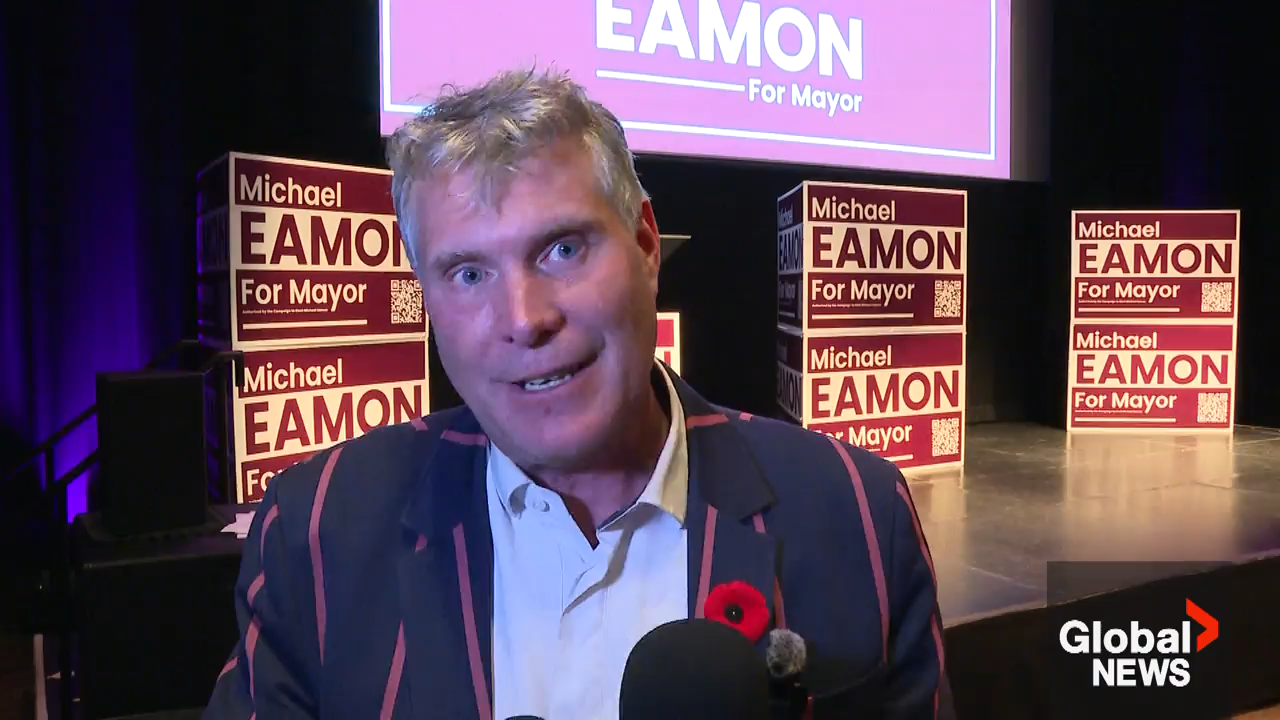
Thirty-six point five percent. That's all it took for Michael Eamon to win the mayor's chair in Peterborough, Ontario.
If you're looking at that number and feeling a little uneasy about local democracy, you aren't alone. Winning a municipal election with barely over a third of the vote isn't rare in Ontario, yet it still hits like a cold splash of water whenever it happens in a mid-sized city facing massive growth pressures. Nearly two-thirds of the people who showed up at the ballot box in Peterborough voted for someone else, yet Eamon now holds the gavel, the ceremonial chain, and the responsibility of steering a city caught between small-town roots and big-city problems.
Let's strip away the polite political commentary and look at what actually happened here. You don't win a crowded race with 36.5% by accident, and you certainly don't govern easily afterward without understanding the exact math that put you in office.
How 36.5% Wins a City in Ontario
Ontario municipal elections operate under a first-past-the-post system with zero runoff mechanism. Whoever gets the most votes wins. Period.
In a two-person race, that system forces a candidate to build a genuine majority coalition. In a fractured field with multiple credible contenders, first-past-the-post turns into a game of base consolidation and vote splitting. Michael Eamon didn't need 50% plus one to claim victory in Peterborough; he just needed to hold his core constituency together while his opponents carved up the remaining 63.5% of the electorate among themselves.
I've watched municipal campaigns across southern and eastern Ontario for years, and this exact dynamic plays out time and again. When an incumbent steps aside or a race lacks a single dominant frontrunner, ambitious candidates rush into the vacuum. Each contender peels off a specific neighborhood, demographic, or ideological slice. One candidate grabs the fiscal hawks worried about property tax hikes, another pulls the downtown urbanists pushing for transit and bike lanes, and a third appeals to suburban families frustrated by road maintenance and infrastructure delays.
Meanwhile, a candidate with strong name recognition, institutional credibility, and a disciplined get-out-the-vote operation can march straight up the middle with roughly a third of the total tally. Eamon, known locally for his deep roots in the community and academic leadership at Trent University's Traill College, brought an established profile that cut through the noise. While other campaigns scrambled to introduce themselves to voters who barely pay attention to city hall until October, Eamon already had trust banked with a reliable bloc of Peterborough residents.
The Mandate Myth Every New Mayor Faces
Here is the trap new mayors fall into right after election night. They look at the victory headline, celebrate with their campaign team, and start acting like they have an overwhelming public mandate to reshape the city.
They don't. Not at 36.5%.
A plurality victory isn't a blank check; it's a provisional lease. When 63.5% of voters marked their ballots for other names, any mayor who governs as though they possess unanimous backing is asking for immediate gridlock at council and fierce pushback from community groups. You have to earn the other two-thirds of the city after the election, not pretend they don't exist.
In Peterborough, where council dynamics have historically swung between progressive downtown priorities and cautious suburban spending, a mayor entering office with just over a third of the popular vote needs political agility more than ideological rigidity. Remember how Ontario's "strong mayor" powers changed the municipal equation over the past few years? Those legislative tools allow mayors in designated municipalities to propose budgets, veto certain bylaws, and hire or fire department heads. On paper, strong mayor powers look like a shortcut around a divided council. In practice, using heavy-handed executive authority when you only won 36.5% of the vote is political poison.
Smart mayors keep those powers holstered unless an absolute crisis demands them. Instead, they spend their first hundred days listening to the voters who backed their opponents, building quiet consensus among ward councillors, and proving they represent the whole municipality rather than just their winning coalition.
Why Peterborough Is Such a Tough Job Right Now
Whoever sits in the mayor's chair in Peterborough inherits a stack of problems that don't have cheap or easy fixes. The city sits right in the crosshairs of Ontario's broader housing and affordability squeeze, located close enough to the Greater Toronto Area to absorb spillover growth without having Toronto's commercial tax base to pay for it.
Look at the real pressures on the ground in Peterborough today:
- Housing affordability and homelessness. Like many mid-sized Ontario cities, Peterborough has seen visible homelessness, encampments, and severe rental shortages collide with strained municipal budgets. Residents demand action, yet municipalities lack the healthcare and social service funding tools that sit at the provincial level.
- Infrastructure deficits. Aging water mains, road repairs, and recreational facilities require tens of millions of dollars in capital spending. Every dollar spent on underground pipes is a dollar that doesn't show up as a shiny ribbon-cutting event, yet ignoring infrastructure triggers catastrophic costs later.
- Property tax fatigue. Homeowners across Ontario have been hammered by inflation, higher mortgage renewals, and rising utility bills. Pushing through double-digit or even high single-digit municipal tax increases sparks immediate voter anger, regardless of how necessary those funds might be to keep basic services running.
- Downtown revitalization versus suburban growth. Peterborough's core needs foot traffic, safety improvements, and support for independent businesses, while outer wards want better transit connections, snow clearing, and controlled development.
Eamon steps into this environment with an academic and community-oriented background rather than decades as a career ward politician. Honestly, that can work in his favor. Voters often turn to figures outside the traditional city hall circle precisely because they're tired of recycled council arguments and want someone capable of mediating complex disputes without carrying old political grudges.
What Voters Actually Want From a Plurality Mayor
If you talk to everyday residents in Peterborough—not political insiders, not campaign staffers, just people buying groceries on Lansdowne Street or walking along the Otonabee River—their expectations are surprisingly practical. They don't care about municipal governance theory or vote-share percentages. They care about whether their neighborhood feels safe, whether their property taxes stay predictable, and whether city hall wastes money on consultants while potholes swallow their tires.
When a mayor wins with 36.5%, voters who backed other candidates watch closely during the first six months to see if the new leader respects their concerns. The fastest way for Eamon to broaden his support beyond that initial 36.5% is radical transparency on budget trade-offs.
Most municipal frustration comes from the gap between what residents are promised during campaigns and what the city can actually afford once staff open the accounting books. Instead of hiding behind bureaucratic jargon, an effective mayor lays out the plain math for the public. Show residents exactly what a 1% property tax adjustment buys, explain which projects get delayed if taxes stay flat, and stop pretending the city can fund every wish-list item simultaneously.
The Ranked Ballot Question That Never Goes Away
Every time an Ontario mayor wins with 35% to 38% of the vote, the same debate flares up again. Why doesn't Ontario allow municipalities to use ranked choice voting?
Let's look at the actual history here because it explains why Peterborough ended up with this result. Back in 2016, the Ontario government amended the Municipal Elections Act to give cities and towns the option to adopt ranked ballots. London, Ontario actually used ranked ballots in its 2018 municipal election, becoming the first municipality in Canada to do so. Other cities, including Kingston and Cambridge, took steps toward exploring or adopting the system.
Then, in 2020, the provincial government passed legislation stripping municipalities of the authority to use ranked choice voting, forcing every city and town back into first-past-the-post.
Whether you love ranked ballots or hate them, that provincial decision directly shapes outcomes like Michael Eamon's 36.5% victory in Peterborough. Under a ranked system, voters who preferred a third- or fourth-place candidate would have seen their second-choice votes redistributed until someone crossed the 50% threshold. Maybe Eamon still would have won on second and third preferences—broadly liked community figures often perform remarkably well as second-choice picks. Or maybe a consolidated opposition candidate would have overtaken him in the final round.
We'll never know because Ontario law banned the mechanism that tests majority preference. Until provincial legislation changes, plurality wins in the mid-thirties will remain completely normal whenever three or more serious candidates enter a mayoral race.
How Other Ontario Mayors Survived Low Vote-Share Wins
Eamon is hardly the first Ontario mayor to take office with under 40% of the vote, and looking at how previous plurality winners fared offers a clear playbook for what works and what backfires.
In 2014, John Tory won Toronto's mayoral race with 40.3% in a heavily polarized contest. Four years later, after governing from the center and building broad council alliances, he cruised to re-election with 63.5%. By contrast, mayors who treated a narrow plurality win as an ideological mandate frequently found themselves bogged down in endless council fights, stalled budgets, and one-term tenures.
The difference comes down to temperament. Can you sit across the table from a councillor who endorsed your rival, find two priorities you both care about, and get something built? Can you admit when a campaign idea needs adjustment once city staff show you the engineering report?
Eamon's background in history and college administration suggests a temperament built around discussion, institutional memory, and bringing different groups together. In a city as politically varied as Peterborough, those habits matter far more than flashy slogans.
What You Should Watch Over the Next Year
If you live in Peterborough—or if you follow Ontario municipal politics to see where mid-sized cities are heading—don't get stuck arguing about whether 36.5% is a big enough win. The election is over, the votes are certified, and Michael Eamon is the mayor.
Watch three concrete indicators over the next twelve months to judge whether he's turning a narrow election victory into genuine civic leadership:
- The first budget cycle. Look at whether Eamon builds a majority coalition on council through negotiation or relies on top-down procedural maneuvers. Watch how he balances core infrastructure spending against tax-rate restraint.
- Provincial advocacy. Peterborough can't solve housing, mental health, or addiction crises out of residential property taxes alone. Pay attention to whether Eamon secures concrete provincial funding commitments from Queen's Park rather than just issuing strongly worded press releases.
- Council tone and committee appointments. Check whether critics and supporters of rival candidates get meaningful roles on key committees. When a mayor shares influence early, council meetings run faster, decisions stick, and residents get better value for their tax dollars.
If you're a Peterborough resident who didn't vote for Eamon, show up to a council delegation, email your ward councillor with specific neighborhood data, and hold the new administration to clear, measurable benchmarks on streets, housing, and taxes—because in municipal politics, the 63.5% who voted differently still own just as much of the city as the 36.5% who put him in the chair.


