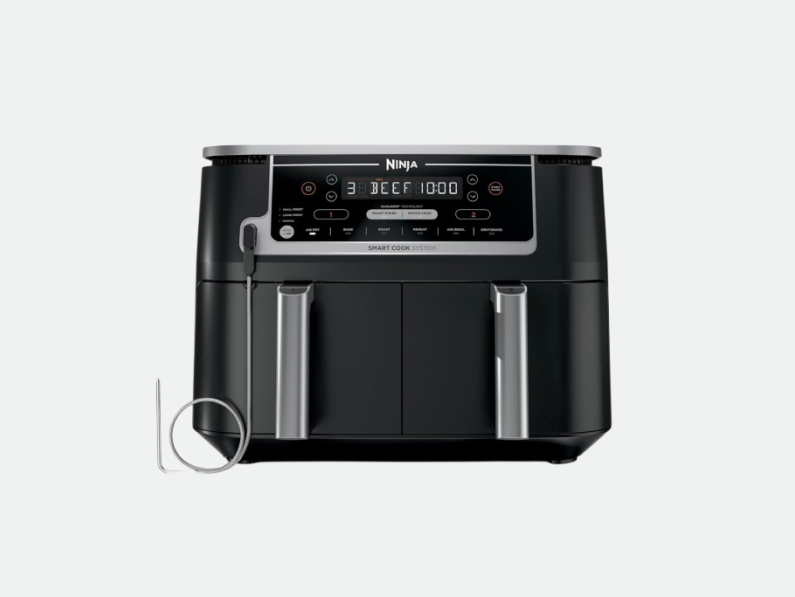
Dormitory rooms and micro-apartments impose severe physical and electrical constraints that render conventional cooking equipment functionally useless. The fundamental optimization problem for small-space cooking involves navigating three hard limits: a floor-plan footprint typically under 150 square feet, a strict single-phase electrical circuit capacity of 15 amps at 120 volts, and the absolute absence of ducted ventilation infrastructure. When students or urban minimalists attempt to replicate full-kitchen workflows in these spaces, they trigger circuit breakers, saturate soft furnishings with atomized grease, or accumulate single-use gadgets that yield negative utility per square inch. Solving this requires shifting the evaluation model from aesthetic appeal to thermal efficiency, spatial yield, and current draw limits.
The Electrical Bottleneck and Thermal Load
The standard residential wall outlet in a North American dormitory delivers 15 amps at 120 volts, capping continuous safe power draw at 1,800 watts. Most traditional kitchen appliances operate at the upper limit of this threshold. A standard multi-burner hot plate paired with a toaster oven will instantly trip a shared room breaker.
Compact cooking hardware must therefore operate under strict thermal economy. Air fryers utilize high-velocity convective heat transfer, circulating air through a reduced chamber volume. This mechanical design lowers the thermal mass required to achieve cooking temperatures compared to radiant coil ovens, dropping typical operational wattage into the 1,200 to 1,500-watt band.
When evaluating these units for micro-spaces, the critical metric is power density relative to cavity volume. A smaller basket forces higher air velocity and shorter thermal paths, translating to faster lipid rendering and crisping without requiring sustained high-wattage draws. The mechanism relies on Maillard reaction acceleration via forced convection, bypassing the long pre-heat cycles inherent to bulkier thermal appliances.
Spatial Yield and Footprint Economics
Countertop real estate in a shared residence hall is a zero-sum resource. Every square inch occupied by a cooking device is subtracted from workspace dedicated to academic or professional output. Evaluating an appliance requires calculating its spatial yield, defined as the usable output volume divided by the horizontal footprint area.
Spatial Yield = Usable Internal Volume / Countertop Footprint
Tall, vertical appliances consistently outperform wide, shallow counterparts in tight footprints. A vertical multi-layer cooker or a compact, upright air fryer utilizes the Z-axis, preserving horizontal surface area for prep work.
Furthermore, multi-functionality must be weighed against operational complexity. Devices that attempt to combine pressure cooking, air frying, and slow cooking often introduce massive mechanical footprints and heavy lids that demand dedicated clearance space overhead. In a dormitory setting, single-purpose or dual-purpose appliances with a small horizontal footprint eliminate the friction of assembly and disassembly, lowering the barrier to daily use and preventing abandonment in storage closets.
The Ventilation Deficit
The primary operational failure mode of indoor high-heat cooking in small spaces is aerosolized lipid accumulation. Without an external exhaust hood, atomized fats and moisture generated by searing or frying remain suspended in the indoor air column before settling onto walls, bedding, and electronics.
Air fryers mitigate this through closed-loop filtration or localized condensation traps, but they do not eliminate vaporized grease entirely. The structural mitigation strategy involves selecting units with sealed, dishwasher-safe components and non-stick ceramic or PTFE coatings that prevent residue buildup from carbonizing during subsequent heating cycles.
When positioning these appliances, proximity to operable windows is a baseline operational requirement, though natural cross-ventilation is frequently insufficient during high-humidity cooking processes. The lack of a grease trap means users must manually scrub internal elements frequently to prevent smoke generation from residual oils during high-temperature convection cycles.
Material Durability and Maintenance Friction
Dormitory environments subject hardware to high mechanical stress, rapid relocation, and minimal maintenance. Plastic housings subject to repeated thermal cycling near heating elements often warp or develop micro-fractures, compromising structural integrity.
A rigorous procurement approach prioritizes mechanical controls over digital capacitive touchpads. Digital interfaces are vulnerable to moisture infiltration from steam venting and liquid spills common in cramped kitchen setups. Analog rotary dials provide tactile feedback and maintain functionality even when operated with damp hands or under heavy usage loads.
Heating element composition also dictates longevity. Exposed wire coils suffer from particulate accumulation and corrosion when exposed to food splatters, whereas enclosed quartz or shielded steel heating elements offer superior resistance to degradation.
Operational Protocol for Compact Meal Assembly
Executing consistent nutrition within these physical boundaries requires a standardized assembly line approach rather than ad-hoc cooking. Because basket capacities in compact air fryers typically range from two to four quarts, bulk batching is impossible.
The workflow must rely on staggered thermal profiles. High-density proteins requiring extended render times are processed first, followed by rapid-crisp vegetables that require minimal dwell time. This sequential utilization prevents internal temperature drops that occur when overloading the thermal chamber, ensuring even heat distribution without stalling the convection current.
By treating the compact appliance as a precision thermal tool rather than a miniature stove, users bypass the common pitfalls of unevenly cooked centers and burnt exteriors. The ultimate strategic deployment involves pairing a low-wattage, vertical convection unit with modular silicone liners to eliminate cleanup friction, ensuring the system remains viable within high-turnover, low-time living spaces.