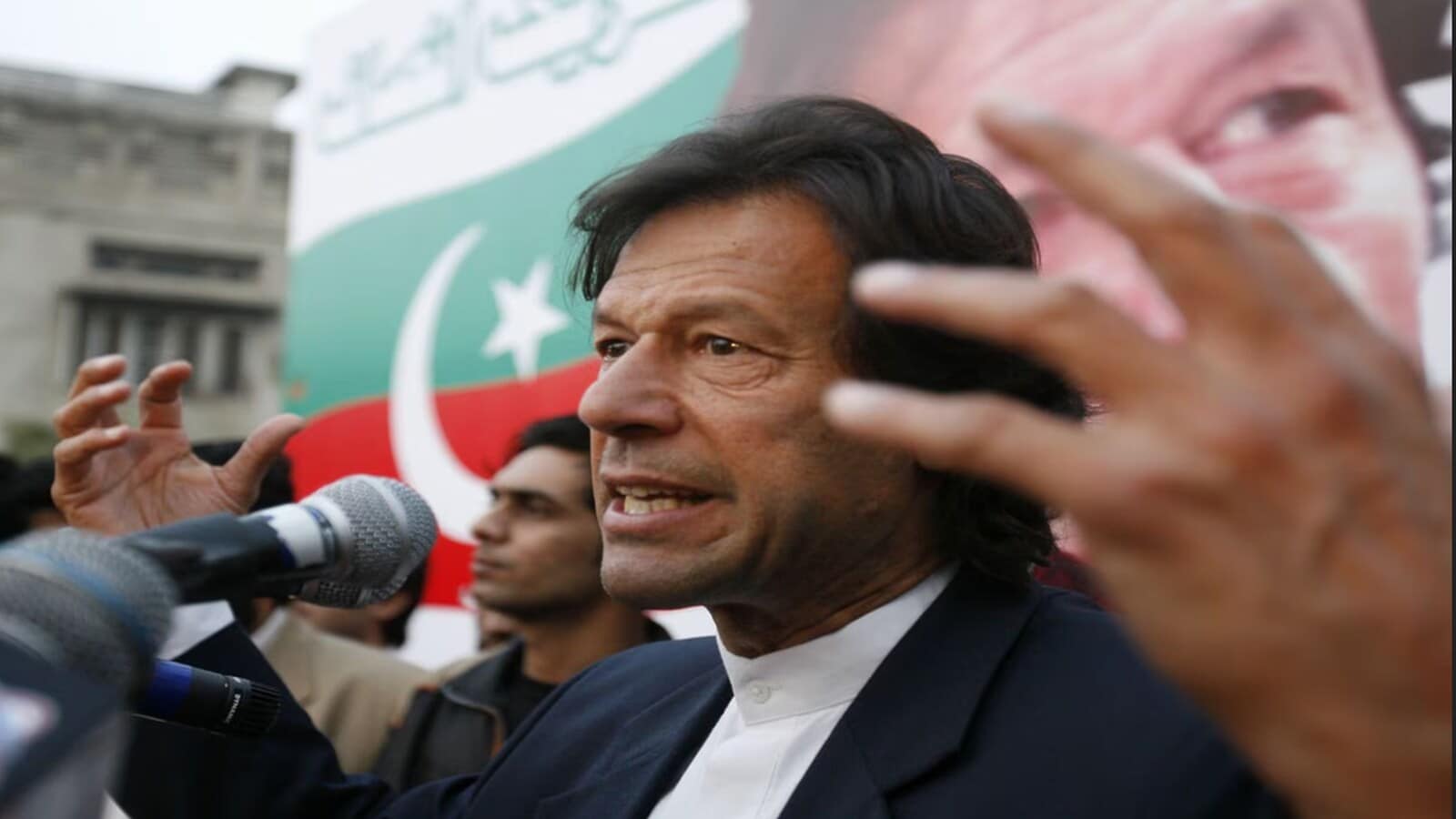
Darkness hung heavy over Islamabad as the clock crept past midnight. Inside the sterile corridors of Adiala Jail, anticipation mixed with deep-seated suspicion. The highest court in the land had spoken. A clear mandate had been issued: 73-year-old former prime minister Imran Khan was to be moved out of his cell and admitted to the private Shifa International Hospital for urgent medical evaluation.
For months, an invisible battle had raged over the health of the incarcerated leader, focusing heavily on a deteriorating eye condition and the psychological toll of prolonged solitary confinement. Supporters worried in whispers. The family demanded transparency. When the Supreme Court ordered his transfer on August 18, setting a firm timeline, a fragile hope emerged that the law would write a different ending to this chapter.
Then came the detour.
Instead of rolling through the gates of the private facility specified by the judiciary, the convoy veered toward the state-run Pakistan Institute of Medical Sciences (PIMS). Hours later, before dawn could break, Khan was back inside his prison cell.
What happened in those intervening hours reveals a profound erosion of trust between a government and a political movement.
By morning, the capital was drowning in accusations. The political landscape erupted into a fierce debate over compliance, defiance, and contempt.
Information Minister Attaullah Tarar stood before the microphones to defend the state's actions. The government, he insisted, had implemented the judicial order in letter and spirit. But he pointed an accusing finger directly back at Khan’s party, the Pakistan Tehreek-e-Insaf (PTI). According to the government, unauthorized crowds of party workers gathered along the designated route to Shifa International Hospital, removing security barriers and turning a medical procedure into a political spectacle.
Security forced a pivot. State officials argued that public safety and crowd volatility left them no choice but to reroute the former prime minister to PIMS, where examinations were completed under strict supervision.
The opposition saw a very different reality.
Uzma Khan, the former prime minister's sister, along with his legal team, rushed to the Supreme Court with a petition for contempt. To them, the midnight switch was not a security measure, but a deliberate evasion of judicial oversight. Accounts from family members painted a grim picture of confusion, restricted access, and a hasty medical check that fell far short of what the judges had mandated. Dr. Faisal Sultan, Khan's personal physician, spent the night waiting at the intended private hospital, only to be told his patient would never arrive.
Behind the legal briefs and political posturing lies a human core that gets lost in translation. A man aging behind bars. A family measuring health in whispered updates and smuggled medical reports. A judiciary attempting to enforce fundamental rights in an environment charged with historical animosity.
Consider the psychological weight of prolonged isolation. Medical evaluations have repeatedly highlighted how extreme confinement drives up blood pressure and magnifies physical ailments. When a prisoner of state is shuttled between facilities in the dead of night, every procedural deviation becomes a symbol of a larger struggle for dignity.
The legal battle lines are now drawn for September 16, the date fixed for the next major hearing. Petitions fly back and forth across courtrooms, while party leaders threaten nationwide momentum if medical access and legal rights are compromised.
The midnight convoy has returned to its starting point, but the questions it raised continue to echo down every empty corridor of power.