The sea at 3:00 AM does not care about international law. It is a vast, ink-black void where the wind howls over the hull and the water mimics the color of oil. For the crew of a French naval frigate patrolling the narrow bottleneck of the English Channel, the darkness is normal. The monotony is normal.
Then, a blip appears on the radar screen.
It is a massive commercial tanker, riding low in the water, heavy with cargo. On paper, it might look like any other merchant vessel navigating one of the busiest shipping lanes on earth. But this ship is a ghost. Its automatic identification system—the digital heartbeat that broadcasts a vessel's identity, position, and route to the rest of the world—has gone dark. It is moving through the cold waters with its eyes shut, hoping the world is blind too.
It wasn't.
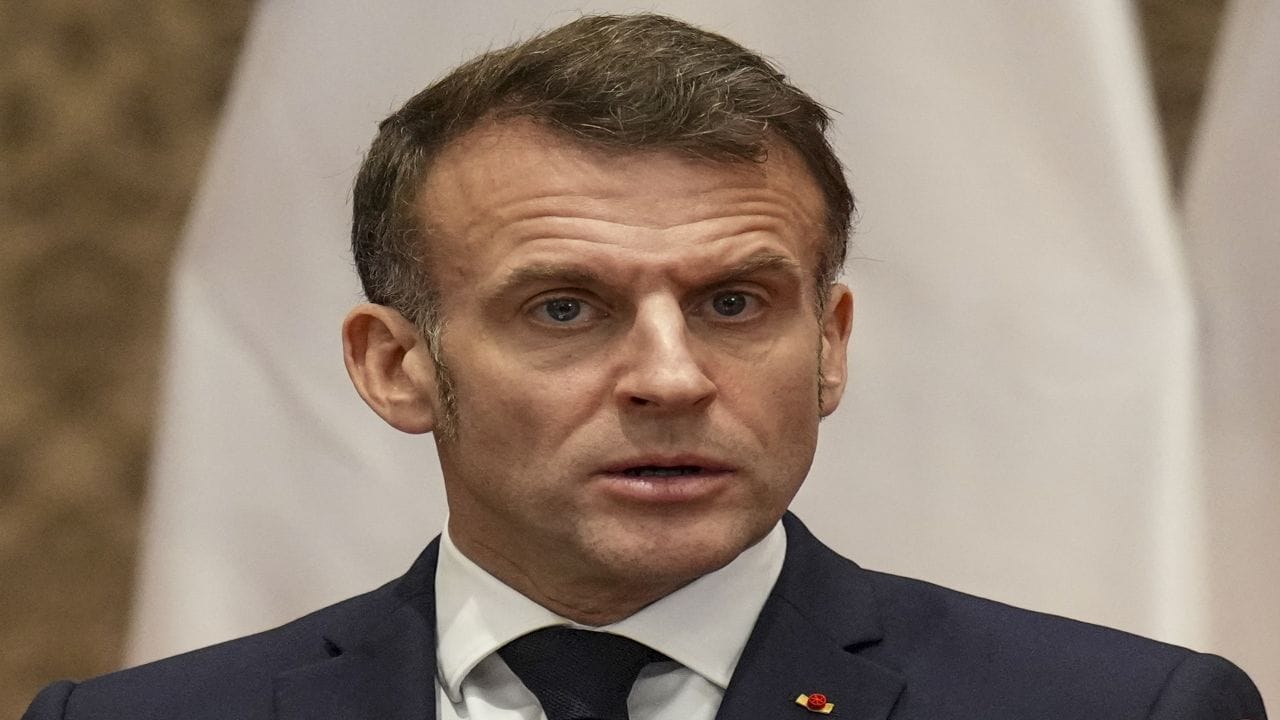
When French President Emmanuel Macron confirmed that the French Navy, with critical support from British forces, had intercepted a sanctioned Russian oil tanker, the announcement was delivered in the sterile language of international diplomacy. The official reports spoke of maritime security, coordinated allied efforts, and the enforcement of economic sanctions.
But strip away the bureaucratic jargon, and you find a high-stakes psychological game played out on a restless ocean. This is the story of an invisible front line. It is a battle of technology, endurance, and raw nerves, where the weapon of choice isn't a missile, but a boarding party stepping onto a slippery ladder in the dead of night.
The Shell Game on the High Seas
To understand why a steel hull in the English Channel matters to someone sitting in a brightly lit kitchen miles inland, you have to understand the modern ghost fleet.
Sanctions are often discussed as abstract economic math. Governments sign papers, asset freezes are announced, and numbers shift on spreadsheets. But money, like water, always finds a crack. When global restrictions choked off Russia’s ability to sell its oil through traditional, legal channels, a shadow economy was born.
Consider a hypothetical merchant captain we will call Mikhail. Mikhail is not an ideologue; he is a sailor. He knows his ship is aging, his registration is dubious, and his cargo is radioactive to global banks. Yet, the financial incentives to move this oil are astronomical. To get from a Baltic port to a buyer willing to look the other way, Mikhail must run a gauntlet of Western surveillance.
The strategy relies on deception. It is a maritime shell game. Ships change their names overnight. They paint over logos. They fly flags of convenience from landlocked nations that barely possess a coastline, let alone a regulatory framework. Most importantly, they engage in "dark operations," switching off their transponders to vanish from public tracking maps.
The English Channel, a choked strip of water separating England and France, is the ultimate choke point for this shadow fleet. It is narrow, heavily monitored, and treacherous. Attempting to slip a massive, sanctioned tanker through this corridor undetected is the nautical equivalent of trying to sneak a stolen grand piano through a crowded restaurant.
When the Horizon Blinks Back
The interception did not begin with sirens or gunfire. It began with data.
Miles away from the physical ship, analysts in military command centers tracked the absence of a signal. Satellite imagery and aerial reconnaissance filled the gaps that the tanker’s disabled transponder left behind. The French Navy knew the ship was coming long before the crew on the bridge could see the white foam of the frigate’s wake.
The British Royal Navy provided the vital hand-off, tracking the vessel as it hovered near UK waters before it crossed into the French economic zone. This cooperation is the real backbone of maritime enforcement. Despite political shifts and diplomatic bickering on land, the naval bond between the two sides of the Channel remains a finely tuned machine.
When the order came to intercept, the French frigate closed the distance.
Imagine standing on the deck of that tanker. The thrum of the massive diesel engines vibrates through the soles of your boots. The darkness is absolute, broken only by the dim red glow of the bridge instruments. You believe you are invisible.
Then, the spotlights hit you.
A wall of white light cuts through the mist, blinding the watch officers. Over the radio, a calm, authoritative voice commands the tanker to halt. It is a moment of profound psychological collapse for those running the cargo. The illusion of the vast, anonymous ocean vanishes, replaced by the cold reality of a gray warship looming off the port bow.
The Friction of Enforcement
Naval boarding operations are a masterclass in controlled tension. The sea is rarely calm when these encounters happen. A swell of just a few feet can cause a rigid-hulled inflatable boat to slam violently against the towering wall of a tanker’s hull.
The boarding team climbs up a pilot ladder, encumbered by body armor, weapons, and communication gear. One misstep means falling into freezing, turbulent water beneath a moving multi-ton vessel. The physical danger is immediate, but the tactical danger is unknown. Will the crew resist? Will they destroy documents?
In this instance, the professionalism of the allied forces ensured compliance. The French team took control of the vessel without casualties, securing the bridge and examining the paperwork that confirmed what the satellites already knew: this ship was violating international law, carrying resources meant to fund a war machine.
Yet, as the tanker was escorted to a French port for investigation, the broader reality settled in. This was one victory in an endless game of whack-a-mole. For every ghost ship intercepted in the English Channel, how many others are successfully transferring oil via ship-to-ship operations in the middle of the Atlantic, far from the reach of coastal patrols?
The Heavy Cost of the Invisible Fleet
The danger of these sanctioned tankers extends far beyond geopolitics. It touches an issue that should make anyone who loves the ocean lose sleep: environmental catastrophe.
The ghost fleet is, by definition, an uninspected fleet. Because these ships operate outside the law, they cannot secure insurance from reputable maritime syndicates. They are often older vessels that should have been sent to the scrap yard years ago. They neglect routine maintenance because entering a legitimate shipyard means risking seizure.
When a state-backed navy intercepts a ship like this, they aren't just enforcing an economic blockade. They are preventing a ticking environmental time bomb from detonating off their coastlines.
If an uninsured, poorly maintained tanker suffers an engine failure or a hull breach in the congested waters of the Channel, the resulting oil spill would devastate marine life and ruin economies from Normandy to Kent. The countries enforcing the sanctions are the ones who would inherit the cleanup bill and the ecological nightmare.
The Churning Sea
The intercepted tanker now sits tied to a concrete pier, its engines silent, its crew facing grueling legal interrogations. The politicians will take their victory laps, citing the operation as proof that the net is tightening around those who violate international mandates.
But out past the harbor breakwater, the ocean remains indifferent. The wind is picking up, tossing the whitecaps into the dark. Somewhere out there, just beyond the horizon, another rusted hull is turning off its transponder, slipping into the shadows, hoping the darkness will be deep enough this time.
The watchers on the frigates are already turning back to their screens, waiting for the next blip to disappear.