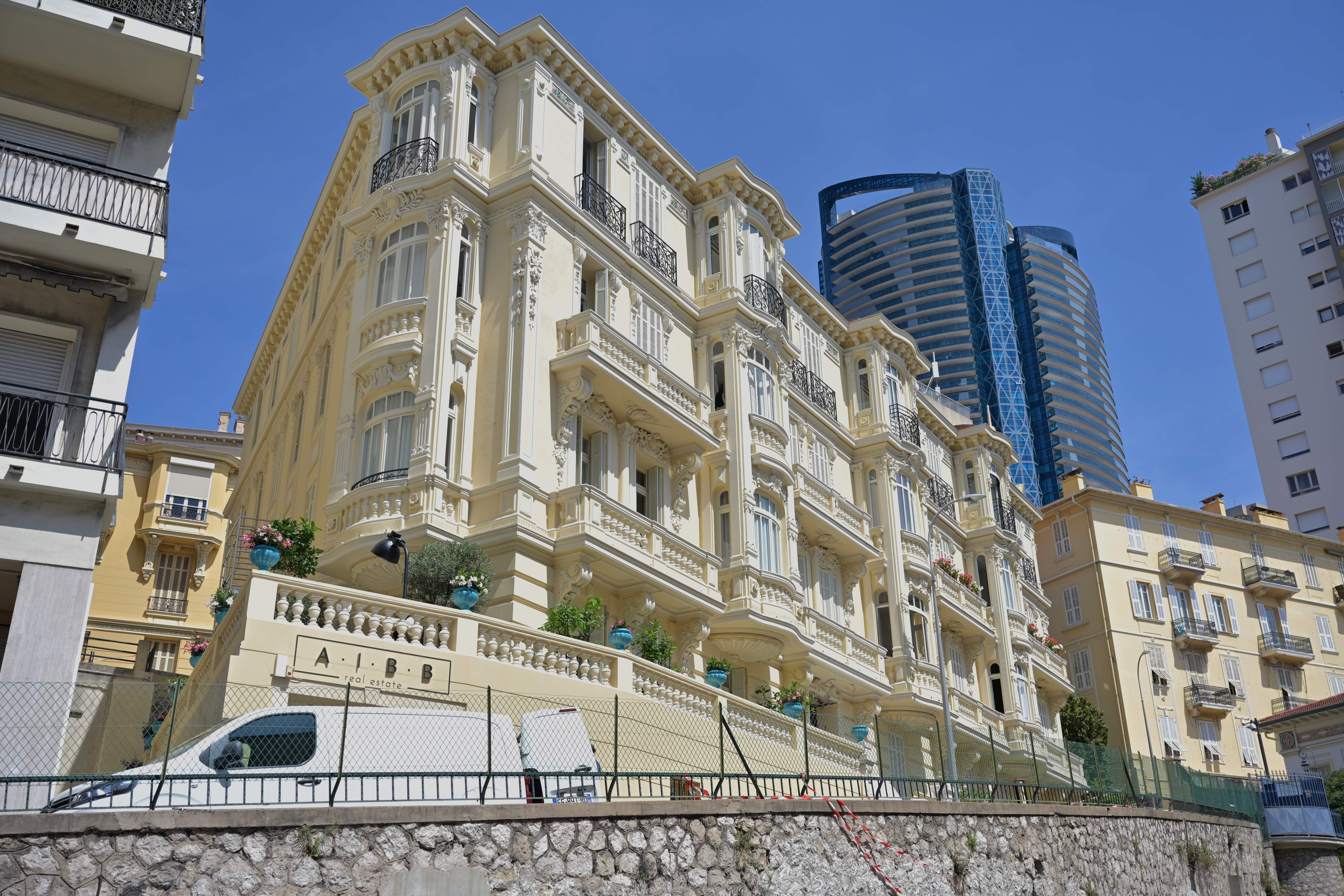
A booby-trapped package detonated in a high-security residential district of Monaco on Monday, severely injuring a prominent Ukrainian oligarch and shattering the principality’s reputation as an untouchable sanctuary for the ultra-wealthy. The target, a high-profile billionaire with deep ties to Ukraine’s energy and industrial sectors, survived the blast but remains in critical condition. While local authorities scramble to treat the incident as an isolated anomaly, the sophisticated nature of the attack points to a calculated hit. It signals a terrifying expansion of a shadow war that is no longer confined to Eastern European battlefields. Wealthy exiles can no longer buy absolute safety.
For decades, the global elite viewed Monaco as the ultimate fortress. Cameras line every square inch of the principality, and the police presence per capita is among the highest in the world. Yet, an explosive device disguised as a standard courier delivery successfully bypassed private security protocols and reached the interior of a luxury penthouse. This failure exposes a critical vulnerability in modern executive protection. Security teams are trained to spot physical intruders, but they are increasingly blind to the supply chain vulnerabilities exploited by modern assassins.
The Illusion of the Mediterranean Safe Haven
The blast did more than damage a luxury apartment complex. It destroyed the unspoken rule that certain geographic zones remain neutral ground for political and financial warfare. Monaco, London, and Zurich have long operated as financial lungs for oligarchs from the former Soviet Union. These cities allowed billionaires to park their assets, settle legal disputes, and live in relative peace while chaos churned back home.
That peace is gone.
The mechanics of this attack reveal a meticulous intelligence operation. Delivering a stable, viable explosive device into a secure Monaco residence requires more than just a rogue actor with a grudge. It demands local reconnaissance, knowledge of the target's daily routines, and the ability to intercept or mimic trusted courier services.
Private security experts who monitor Eastern European dissident networks note that the method of delivery is a throwback to the proxy wars of the late twentieth century, updated for the modern era. The weapon was not meant just to eliminate an individual. It was designed to send a message to the entire expatriate community. No amount of money can guarantee immunity when state-aligned actors or highly organized criminal syndicates decide to cross international borders.
Why the Oligarch Class is Caught in the Crosshairs
To understand why this explosion happened in Monaco, one must look at the shifting power dynamics within Ukraine’s wartime economy. The traditional influence of the oligarchs has crumbled under the weight of state centralization and international anti-corruption pressures. Individuals who once controlled vast parliamentary factions and strategic monopolies find themselves stripped of their leverage at home, leaving them vulnerable abroad.
The Collapse of Domestic Immunity
In the past, these billionaires maintained their safety through intricate webs of political patronage within Kyiv. They were too connected to touch. However, the current geopolitical climate has forced a radical realignment. Asset seizures, nationalization of key industries, and aggressive anti-money laundering investigations have broken these protective networks.
The Financial Fallout of Betrayal
When an oligarch falls out of favor, they do not just lose their political capital; they lose control over vast networks of intermediaries, shell companies, and proxy owners. This creates a dangerous vacuum. Disgruntled former partners, unpaid enforcers, and rival factions suddenly see an opportunity to settle old scores without fearing retaliation from a powerful state apparatus. The Monaco bombing is likely the first visible symptom of a broader, violent redistribution of contested assets.
The Failure of Modern Executive Protection
The attack exposes a systemic flaw in how the ultra-wealthy manage their personal security. Most elite security details focus heavily on tactical response. They hire former special forces operators, drive armored vehicles, and install biometric access controls at residential entry points.
These measures are useless against a piece of cardboard delivered by a uniformed mail carrier.
Traditional Security Focus vs. Modern Attack Vectors

[Physical Perimeter]  --> Stopped by Gates, Guards, Cameras
[Cyber Security]      --> Stopped by Firewalls, Encryption
[The Mailroom Gap]    --> FAILED: Exploited via Courier Interception
The mailroom is the soft underbelly of executive defense. In most luxury residences, packages are scanned for weapons or obvious hazards, but sophisticated chemical explosives can easily masquerade as electronic components or high-end consumer goods. If a security detail fails to implement rigorous chemical and X-ray screening for every single item entering a household, the perimeter is non-existent.
Furthermore, the reliance on local law enforcement in low-crime jurisdictions like Monaco creates a false sense of complacency. When an environment is safe for decades, security routines become performative. Guards check badges less strictly. Deliveries are waved through based on facial recognition or familiarity. Assassins rely on this human fatigue.
International Legal Grey Zones and the Investigation
Monaco’s police force is currently collaborating with French intelligence and international agencies to trace the origin of the package. The logistical trail is almost certainly a labyrinth of false identities, drop-shipping addresses, and encrypted digital communications. This complexity presents a massive hurdle for local prosecutors who are unaccustomed to handling international state-sponsored terrorism or highly coordinated contract killings.
The geopolitical fallout will complicate the investigation further. If the forensic trail leads back to state intelligence agencies or powerful transnational criminal organizations based outside of Western Europe, extradition and prosecution become virtually impossible. Western European nations are forced to balance the pursuit of justice with the diplomatic nightmare of accusing foreign powers of launching explosive attacks on sovereign European soil.
This legal paralysis is precisely what the perpetrators count on. By executing the hit in a jurisdiction that is ill-prepared for complex geopolitical violence, the killers maximize their chances of escape while ensuring the maximum possible psychological impact on the target's peers.
The New Reality for Global Wealth
The Monaco incident marks a point of no return for the hundreds of wealthy political exiles living in Western Europe. The assumption that geographic distance and local police efficiency provide a shield against foreign disputes has been proven false. The battlefield has expanded to the cafes of Monte Carlo and the streets of Mayfair.
Oligarchs and high-net-worth individuals must now operate under the assumption that their domestic conflicts will follow them anywhere in the world. Security strategies can no longer rely on walls and bodyguards alone. They must involve deep intelligence gathering, continuous supply chain auditing, and a total overhaul of how personal logistics are managed. The threat is no longer a sniper in the distance or an ambush on a dark road. It is the mundane package waiting on the kitchen counter, delivered with a smile and a forged signature.