The coffee at the corner stall on Sukhumvit Road was always too sweet, thick with condensed milk that left a stubborn film on your teeth. On that Tuesday morning, the air did not smell of roasting beans or exhaust. It smelled of river mud, stagnant drains, and something old that had been dragged up from the bottom of the world.
Bangkok does not drown slowly. It surrenders in a series of sharp, violent gasps.
By dawn, the monsoonal downpours that had battered northern Thailand for weeks had finally funneled their immense weight southward, pushing the Chao Phraya River past its stone-cut boundaries. When a disaster zone is declared across a metropolis of over eight million souls, the official announcements sound sterile on a television screen. They speak of cubic meters per second, floodgate capacities, and emergency thresholds breached. But on the ground, the reality is far more intimate. It is the sound of water lapping against the base of a motorcycle showroom. It is the frantic scramble to stack sandbags that weigh as much as wet cement outside a 7-Eleven where the shelves are already half-empty of bottled water and instant noodles.
Consider Somchai, a motorcycle taxi driver who has spent twenty-two years navigating the asphalt veins of the capital. He knows every pothole on Rama IV Road by heart. Or rather, he used to. Today, those potholes are invisible underwater craters capable of swallowing a front wheel and snapping a rider's collarbone.
"You cannot fight the water," Somchai says, cutting his engine as the brown tide licks against his boots. His orange vest, a beacon of urban transit, feels heavy and absurd in the middle of what has suddenly become a Venice built entirely of concrete and desperation. "You can only wait for it to get bored."
That waiting is where the true narrative of Bangkok's floods resides.
For days, the city's labyrinth of canals—the khlongs that once earned Bangkok the moniker of the Venice of the East—wrestled with a cruel mathematical impossibility. Millions of gallons of northern runoff were rushing toward a Gulf of Thailand already swollen by high seasonal tides. The city's drainage infrastructure, a marvel of engineering in its time, was built for a different era, a different climate, and a fraction of the population density that now hums across the alluvial plain.
Water does not care about zoning laws. It does not respect the glass-fronted monoliths of the central business district or the corrugated tin roofs of the informal settlements hugging the railway lines. It simply fills every available void.
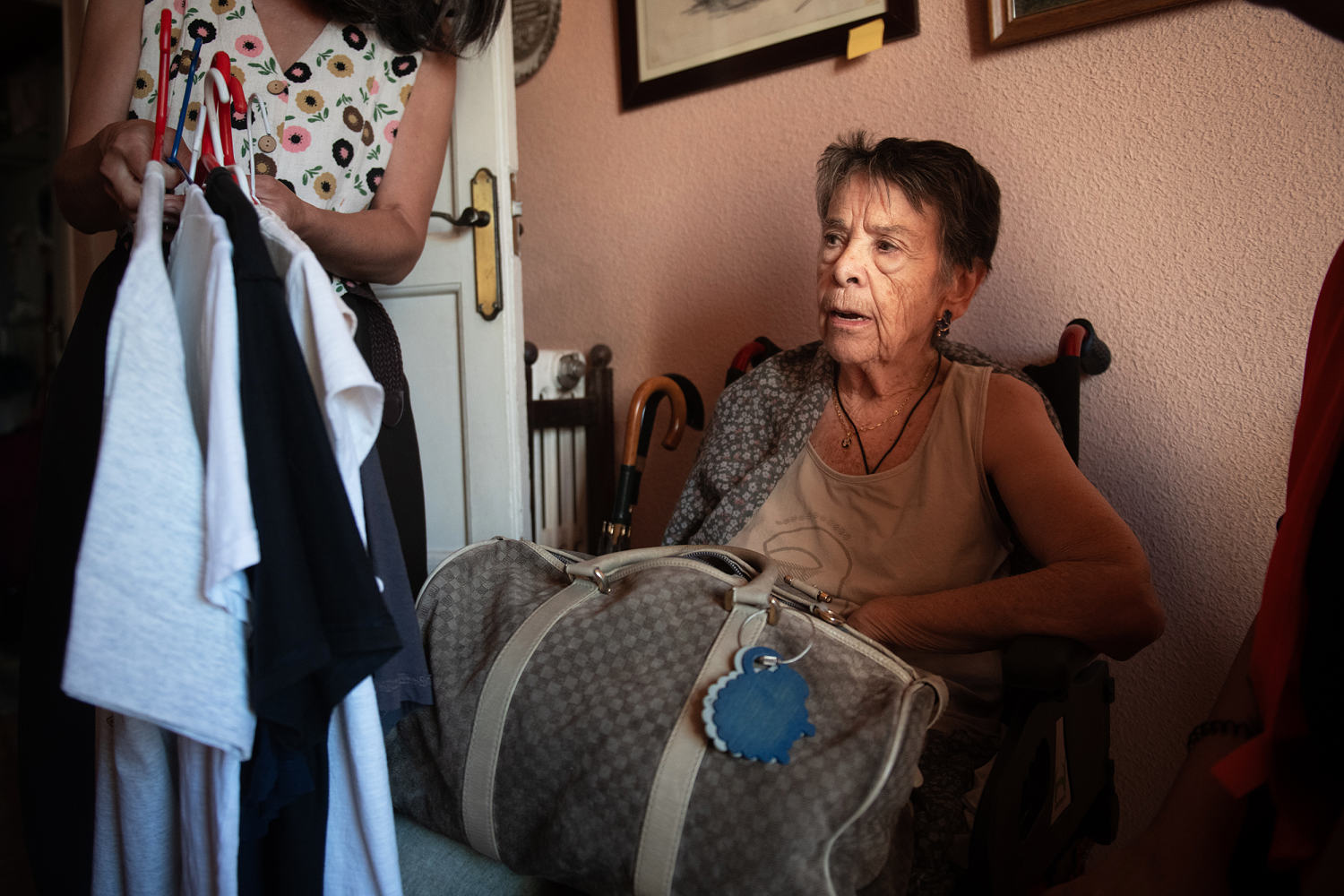
In the low-lying neighborhoods of Thonburi, the river does not stay in its bed; it visits living rooms. Families wake up to find their refrigerators floating like stray icebergs among plastic chairs. Elderly residents are carried out on makeshift rafts made of inner tubes and wooden doors, their worldly possessions packed into plastic garbage bags held tight against their chests.
Yet, amid the rising tide, a familiar human resilience asserts itself. A group of teenagers use a bright blue plastic kayak to deliver packets of dried pork and sticky rice to an apartment block where the ground-floor electricity has already been cut. Monks in saffron robes wade through waist-high currents, their alms bowls held high, accepting offerings from balconies where residents lean out like passengers on the deck of a listing ship.
This is the invisible tax of living in a delta city built on soft clay, slowly sinking beneath its own weight while global temperatures rewrite the meteorological rules. Every monsoon season now carries an unspoken question: Is this the year the defense holds, or the year the dyke gives way for good?
The government mobilizes pumps, millions of gallons per hour hurled back toward the sea in a Sisyphean battle against gravity. Engineers monitor telemetry screens with bloodshot eyes, calculating surge timings down to the minute. But the city's heartbeat has slowed to a hesitant pulse. Traffic lights blink uselessly at submerged intersections where fish from the nearby canals now swim between stranded sedans.
As afternoon gives way to a heavy, bruised twilight, the rain finally eases, leaving behind a stifling humidity that feels like breathing inside a warm lung. The floodwaters do not recede; they settle into a thick, reflective mirror that catches the neon glow of billboards advertising luxury condos and fast food.
Somchai sits on the high concrete steps of a BTS Skytrain station, smoking a clove cigarette while he waits for the pumps to reclaim his livelihood. Below him, the dark water laps quietly against the pillars of modernity, indifferent to the schedules, the commerce, and the millions of lives paused on its surface. The Chao Phraya has spoken again, a reminder carved in silt and saltwater that for all our concrete and ambition, we merely rent space from the river.