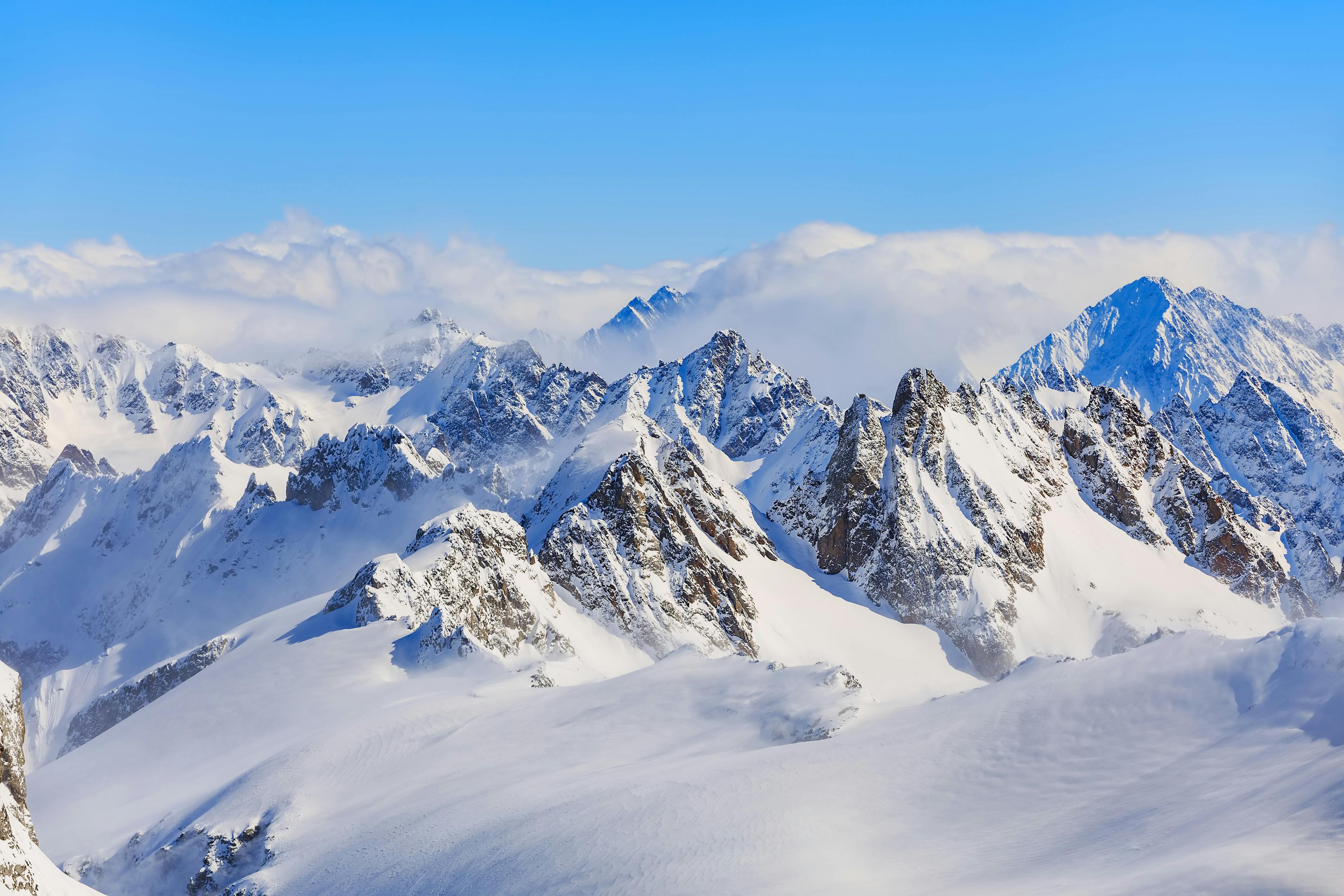
The wind at seven thousand meters does not howl. It rasps, a dry sandpaper scraping against ancient granite, stripping moisture from skin and breath before you even realize you are thirsty. Up there, the air is thin enough to make colors look muted, drained of warmth, reduced to shades of slate, bone, and blinding white.
Down in Kathmandu, the morning air smells of diesel fumes, damp marigolds, and roasting corn. Tourists sip milky tea on rooftop cafes in Thamel, pointing excitedly at North Face jackets and negotiating over titanium crampons. They talk of summits, of personal bests, of the thin line between triumph and tragedy. But tragedy on the roof of the world does not arrive with cinematic drama. It arrives silently, in the dark hours before dawn, when the frost settles and the slope lets go.
Consider what happened when the white fury swept down upon the expedition workers.
Fifteen men. Not the famous names plastered across glossy magazine covers. Not the speakers booked for corporate retreats or the influencers filming their oxygen-masked breakthroughs for algorithms. These were the ghosts who walk ahead. The ones who carry the heavy aluminum cylinders, rig the static lines across treacherous blue ice, boil snow for tea when their own fingers are stiffening into claws, and whisper quiet prayers to mountain deities they hope will forgive their intrusion.
Ice does not care about contracts. An avalanche is physics untamed by ambition.
When a slab of wind-slacked snow breaks loose above a high camp, it accelerates with the freight-train momentum of gravity. There is no time to run. There is barely time to draw a final, freezing breath. The mountain swallows its laborers with an indifferent crunch, burying tents, gear, and human lives beneath tons of compacted debris.
We read the dry bulletins on our glowing screens. Nepal avalanche kills at least 15 expedition workers. A headline swallowed by the next notification, the next political scandal, the next viral video. The numbers tick upward. A bureaucratic tally of sorrow.
Pause for a moment and look closer at those numbers. Strip away the statistics.
Imagine Dawa. His boots are duct-taped at the toe, the rubber hardened by years of sub-zero abuse. He has a small silver locket tucked inside his thermal layer containing a faded photograph of his daughter, taken outside a concrete schoolhouse in a village where electricity is a rumor. He climbs not for glory, nor for the romantic notion of standing where the sky turns indigo. He climbs because the seasonal wage from a single climbing expedition pays for the winter rice, buys the medicine for his mother’s failing joints, and keeps the roof from leaking when the monsoon rains lash the valleys.
When Dawa checks his knots in the freezing dark, his heart is heavy with a quiet, bone-deep dread that every mountain guide knows intimately. He knows the statistics of the Khumbu Icefall. He knows that shifting seracs are falling cathedrals of ice waiting for a trigger. Yet he steps out onto the glacier anyway, because poverty is a heavier weight than any pack he will ever hoist onto his back.
The invisible stakes of commercial mountaineering are written in the blood and sweat of the local workforce. For decades, the glamorized narrative of Himalayan climbing has focused on the solitary conqueror standing victorious on the summit ridge, arms raised in triumph. But behind every triumphant hero standing on the highest point of earth are three or four anonymous figures who hauled the oxygen, cut the steps, and risked their lives in the shadows so that someone else’s dream could be immortalized on film.
The math of risk and reward is profoundly skewed. When disaster strikes, the international spotlight turns briefly to the grief in the valleys, offering temporary condolences before the circus packs up and moves to the next peak, the next season, the next record-breaking attempt. But the villages do not move. The orphaned children do not un-live the silence left behind at the dinner table.
We must confront the uncomfortable truth about our collective obsession with vertical conquest. Every time we romanticize the extreme altitude lifestyle, every time we scroll past a breathtaking drone shot of a jagged ridge without asking who carried the batteries up that frozen staircase, we participate in an economy built on hidden sacrifice.
The mountain does not negotiate. It does not honor status. When the snow gives way, it treats the billionaire client and the veteran expedition worker with the exact same brutal equality. Yet the safety nets are vastly different. One returns home to a ticker-tape parade or an insurance payout; the other leaves behind a family struggling to calculate how to survive the next harsh Himalayan winter without their primary breadwinner.
Change does not come easily to places governed by vertical extremes and desperate economics. Calls for better insurance, stricter safety regulations, and fair compensation echo through government offices in Kathmandu after every major disaster, only to fade away as the snow melts and the next tourist season approaches. The allure of foreign currency is a powerful narcotic for a developing nation, often blinding authorities to the human cost accumulating in the shadows of the high peaks.
We are left standing at the foot of something immense, staring upward into the blinding glare of the snowfields. The wind picks up again, carrying the faint, distant rattle of prayer flags snapping against bamboo poles. Those colorful strips of cloth whip violently in the gale, fraying thread by thread, carrying messages of peace and protection into the empty air.
Down in the valleys, the marigolds are wilting. The tea has gone cold. But high above the clouds, the white giants remain, indifferent to our grief, guarding their frozen secrets, while the families of the fallen listen forever for footsteps that will never again crunch up the stone path home.