The modern music business doesn’t make moguls anymore. It makes algorithms, handles playlists, and optimizes data streams. But it doesn't produce human beings who can walk into a smoky club, hear a teenager sing, and completely alter the trajectory of global pop culture.
With the passing of Clive Davis at age 94, the music industry didn't just lose its most legendary executive. It lost the blueprint for creative leadership.
When the Grammy Museum was built in downtown Los Angeles back in 2008, Davis wasn't just a donor who cut a check to get his name on the 200-seat theater downstairs. He helped construct the physical and spiritual home of recorded music history. Today, as industry insiders and fans process his loss, Grammy Museum President Michael Sticka put it plainly, noting that Davis’s legacy is simply not going to be replicated.
He’s right. The era that birthed Clive Davis is gone, and the structural machinery of today's music landscape ensures no one will ever hold that kind of cultural power again.
The Golden Ear in an Era of Hard Data
To understand why we won't see another Davis, you have to look at how he worked. He didn't rely on TikTok analytics, viral metrics, or pre-engineered streaming data. He relied on an instinct that defied corporate logic.
Consider his track record. This is the man who went to the Monterey Pop Festival in 1967 and signed Janis Joplin on the spot. He’s the executive who heard a young Whitney Houston and spent two years meticulously curating her debut album. He rescued Carlos Santana’s career decades after its peak, orchestrating the 1999 smash Supernatural, which swept the Grammys and went 15-times platinum.
Today, record labels are reactive. They wait for an artist to build a massive independent following online before offering a contract. They buy into existing momentum. Davis did the exact opposite. He generated the momentum from scratch.
He understood that a great song is the ultimate currency. When he found Barry Manilow, Davis personally hunted down a track called "Brandy," changed the title to "Mandy," and pushed it to number one. That kind of hands-on, micromanaging creative curation requires a level of executive authority that corporate boards in 2026 simply do not grant anymore.
Building the Institutional Memory of Pop Music
Davis’s involvement with the Grammy Museum wasn't a late-career vanity project. It was a calculated effort to preserve the art of the record. The Clive Davis Theater at L.A. Live became the spot where legendary artists and newcomers alike had to show up, strip down their production, and speak honestly about their process.
The museum itself serves as a stark reminder of what the industry used to value:
- The lonely craft of songwriting away from laptops
- The analog engineering techniques that gave classic records their warmth
- The high-stakes artist development process that turned raw talent into icons
When you walk through the museum's doors, you see the physical remnants of an industry built by hand. Davis championed that preservation because he knew how fragile musical history is. He spent his entire career bridging genres, launching Arista Records, J Records, and leading Columbia. He signed Bruce Springsteen and Aerosmith, then turned around and dominated R&B with Alicia Keys and LaFace Records. He didn't fit into a niche.
Why the System Cannot Produce an Heir
The current music ecosystem is designed to prevent another Clive Davis from emerging. Decisions are made by committees of tech executives and finance professionals.
If a young executive today wants to sign an artist based purely on a gut feeling, they get shut down by risk-assessment models. Wall Street owns the major catalog groups now. Private equity firms buy up publishing rights like real estate. In that environment, the "golden ear" is treated as a liability rather than an asset.
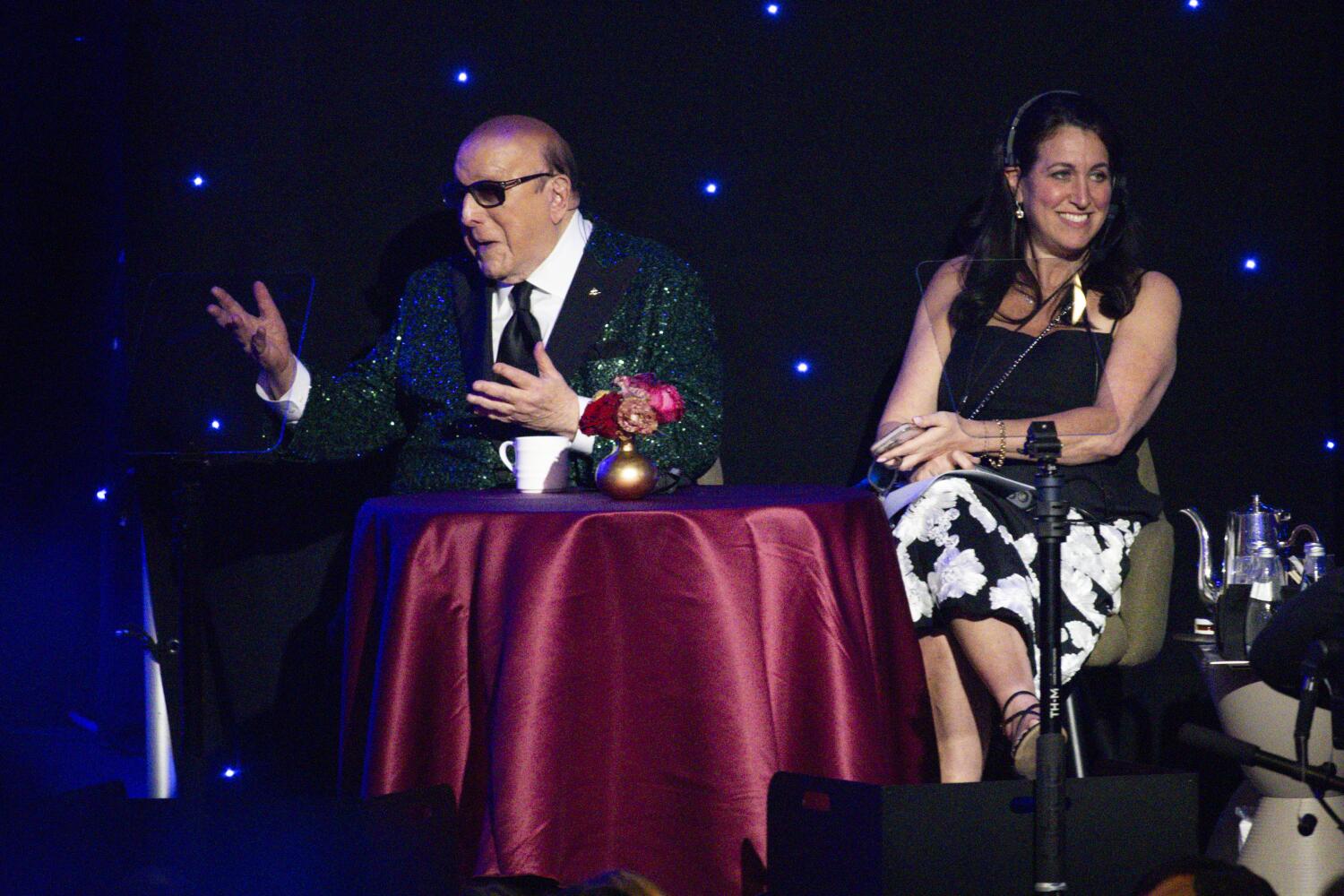
Furthermore, the fragmentation of media means we no longer have a monoculture. When Davis threw his famous annual Pre-Grammy Gala—a tradition that continued right into his final year—the entire industry gathered in one room because he was the sun they orbited. Now, music is hyper-regionalized and atomized into endless digital sub-genres. A single executive can no longer command the attention of the entire culture.
Saving the Future of the Craft
If Davis's legacy can't be replicated, the question shifts to how the industry avoids completely losing its soul. The answer lies in the educational initiatives he left behind, including the Clive Davis Institute of Recorded Music at NYU and the expanded educational programs at the Grammy Museum.
The museum recently took steps to democratize music education, eliminating admission fees for visitors under 17 and expanding its summer programs to cities like New York and Miami. The goal isn't to find another single mogul to run the show. It's to teach young musicians and aspiring executives how to listen the way Davis listened.
They need to learn that a hit isn't just a collection of beats designed to hook a user in the first three seconds of a video clip. It requires structure, emotional resonance, and vocal conviction.
The era of the larger-than-life music mogul has officially closed. We are left with the music he found, the artists he shaped, and an industry that desperately needs to remember how to trust its gut instead of its spreadsheets.
To honor that legacy, stop looking at the charts. Go find an artist who makes you feel something raw, listen to an entire album from start to finish without looking at your phone, and support the institutions keeping live, un-synthesized music alive.