The narrative is always the same, vomited out by every major sports desk like a mandated press release: "Worth every penny."
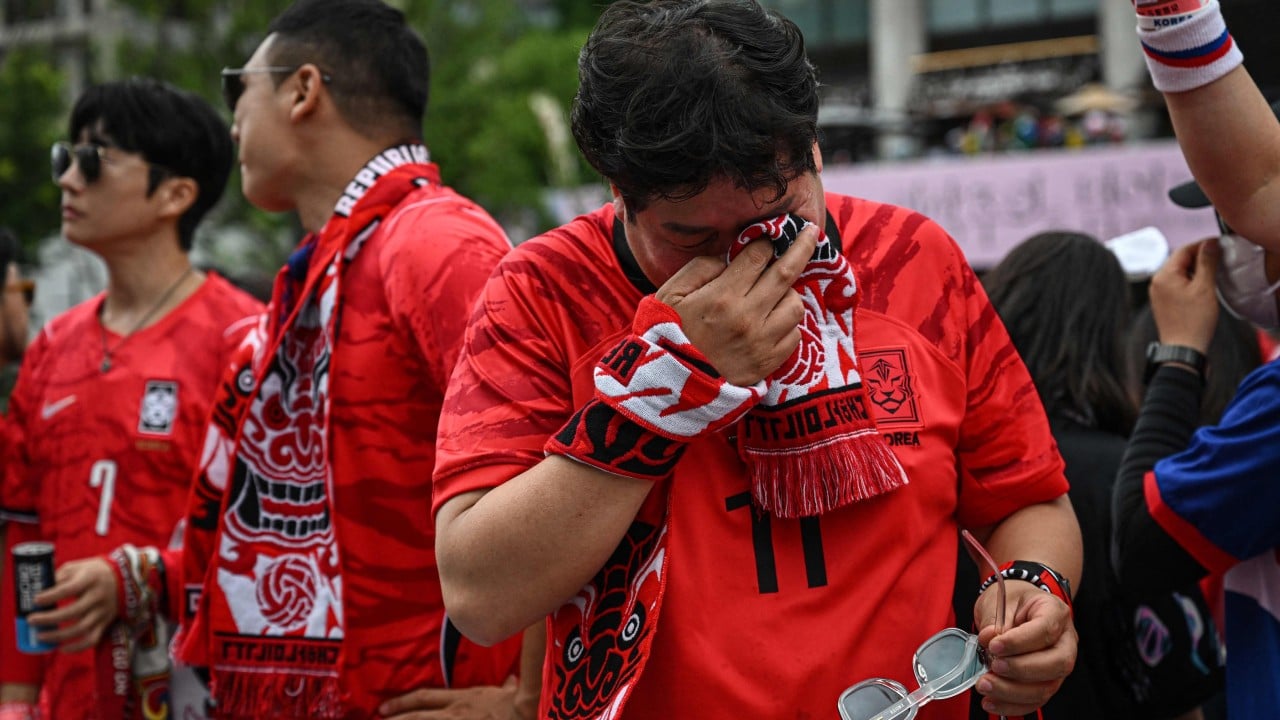
We see the standard B-roll of breathless England supporters in mid-tier replica shirts, sweating under a desert or tropical sun, holding a lukewarm plastic cup of premium-priced lager, insisting that spending five figures to watch a tactical stalemate is the pinnacle of human existence. They tell the cameras they re-mortgaged the house, maxed out the credit cards, or drained the wedding fund. And they smile doing it.
It is the grandest stockholm syndrome in modern entertainment.
Let us stop treating this financial recklessness as a badge of honor. The media loves the "dedicated fan" trope because it feeds the ecosystem. It keeps ticket prices astronomical, airfares predatory, and FIFA’s coffers overflowing. But if you actually analyze the return on investment (ROI) of a modern World Cup pilgrimage, the math does not just fail—it collapses entirely. The fans claiming it is "worth every penny" are not making an objective assessment. They are desperately trying to justify a massive sunk cost to themselves and their spouses.
The Sunk Cost Fallacy in a Replica Shirt
When a fan spends £8,000 on flights, accommodation, and black-market match tickets, a psychological defense mechanism kicks in.
Behavioral economists call it choice-supportive bias. Once you have committed a significant amount of capital to a decision, your brain actively filters out negative inputs to protect your ego. If the hotel is a converted shipping container, you call it "part of the adventure." If the transport links break down and you walk three miles through an industrial zone, it is "creating memories." If the team plays out a dismal 0-0 draw against a low block, you praise the "tactical discipline of the tournament structure."
I have spent two decades analyzing sports tourism metrics and working alongside agencies that package these exact trips. The margin on fan desperation is staggering.
Hotels jack up rates by 400% the moment a city is announced as a host venue. Airlines deploy dynamic pricing algorithms that target specific search patterns from UK IP addresses during the qualifying rounds. The fan is not a revered stakeholder in this equation; they are the ultimate mark.
Consider the baseline experience of a fan on the ground. You are segregated into specific zones. You are forced to consume specific, low-grade sponsor products. You view the actual match from the upper tier of a stadium designed to maximize corporate hospitality boxes, looking at players who resemble sub-atomic particles from your £300 seat.
Compare this to the alternative. Imagine a scenario where that same £8,000 is used to secure a premium hospitality package at a domestic club for an entire season, or a high-end home entertainment setup that delivers 4K feeds without a three-hour queue for a chemical toilet. The contrast in actual utility is stark.
The Illusion of Atmosphere
The core argument for the defense is always "the atmosphere." You cannot replicate the feeling of being there when the goal goes in.
Except, increasingly, you can’t find it there either.
The modern World Cup stadium has been systematically sanitized. High ticket prices inherently priced out the traditional, vocal fan base decades ago. They have been replaced by football tourists, corporate VIPs, and influencers capturing content for their personal brands. The raw, tribal energy that once defined international football has been corporate-washed into a polite, choreographed spectacle.
Look at the data from recent tournaments. The loudest sections of the stadium are no longer the multi-thousand-pound seats occupied by travelling Western Europeans. They are the upper tiers filled with locals or neutrals who bought subsidized tickets. The traveling fan is often too exhausted, too sober due to local restrictions, or too financially stressed to generate the wall of sound that historical broadcasts captured.
You are paying premium prices for a diluted product. The real atmosphere—the unfiltered, chaotic joy of international football—has migrated. It is in the community pubs, the crowded city squares back home, and the regional viewing parties where the collective consciousness of a nation actually vibrates. When England scores, London shakes. The stadium in the host country merely ripples.
The Brutal Reality of the Host City Tax
Let us address the "People Also Ask" consensus regarding tournament travel: How do I find cheap accommodation at a World Cup?
The brutal, honest answer is: you do not. The premise is flawed.
Any guide telling you to "look for hidden gems" or "use local homestays" is selling you a fantasy. Host city economies operate on a smash-and-grab model during a one-month tournament window. They know you have already bought the match ticket; they know you are captive.
- Accommodation: Properties that typically rent for £50 a night are listed on major platforms for £600. Local authorities frequently relax tenant protection laws temporarily, allowing landlords to evict regular residents to cash in on football fans.
- Logistics: Host cities frequently implement "event transit pricing." Uber and local taxi syndicates implement permanent surge pricing that makes a five-mile journey cost more than a domestic flight.
- Subsistence: Food and beverage options within a five-mile radius of any fan zone or stadium are tightly controlled by monopoly sponsors. You pay Michelin-star prices for fast-food quality.
This is not a vacation. It is an extraction exercise.
The Alternative Blueprint for True Supporters
If you want to support the game, stop funding the cartel that exploits your loyalty. The contrarian approach to football fandom requires a complete re-evaluation of where your capital goes.
Instead of subsidizing a multi-billion-dollar governing body every four years, redirect that investment down the pyramid. For the cost of one week in a host city, you can buy ten season tickets at a National League or League Two club. You can fund grassroots coaching for an entire youth league in your hometown. You can actually impact the sport.
If you must chase the international high, do it during the qualification stages. The away legs in smaller, non-traditional footballing nations offer authentic culture, reasonable prices, and a fan base that actually wants you there, rather than a security apparatus that views you as a potential riot risk.
The fans who say it is "worth every penny" are trying to convince themselves. Stop buying the lie. Stay home, save your wealth, and watch the tournament without the financial hangover.