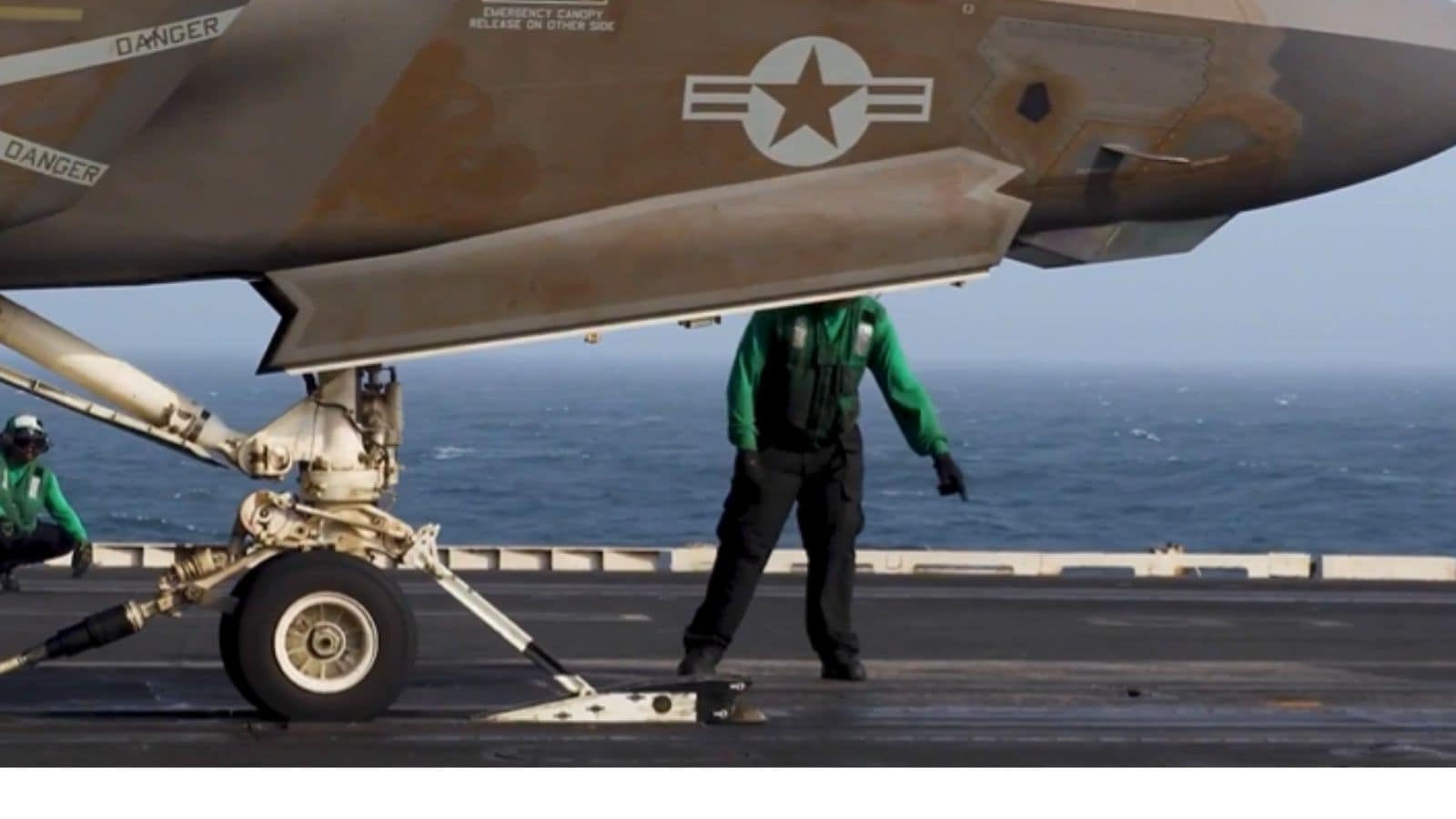
The mainstream financial press loves a good crisis narrative. For months, the dominant storyline surrounding Middle Eastern trade has been one of pure desperation: naval blockades, skyrocketing freight insurance, and Chinese merchants trapped in Tehran, watching their margins evaporate as missiles fly across the Bab al-Mandab strait. It sounds logical. If you block the main artery of global shipping, trade must suffer.
It is also completely wrong.
The assumption that regional instability is choking out Sino-Iranian commerce relies on a fundamentally flawed premise: that these networks operate like standard Western supply chains. They do not. While traditional multinational corporations panic over container rates and maritime security, savvy operators are capitalizing on the chaos.
The disruption of traditional naval shipping routes is not a death sentence for China-Iran trade. It is a structural filter that is purging weak competitors, legalizing informal logistics, and solidifying a parallel economic ecosystem that is entirely immune to Western sanctions and maritime bottlenecks.
The Lazy Consensus on Maritime Blockades
Open any standard geopolitical brief and you will see the same hand-wringing. The narrative claims that because the Red Sea is a risk zone, Chinese traders are struggling to move goods into Iranian ports like Bandar Abbas. They point to Shanghai Containerized Freight Index spikes as proof of impending doom.
This view ignores how secondary sanctions actually function on the ground.
Mainstream analysts look at global trade through the lens of mega-carriers like Maersk or MSC. But those giants do not service the core of China-Iran trade. The backbone of this commerce relies on a ghost fleet of mid-sized, privately owned vessels, often operating under flags of convenience, alongside extensive overland networks that cross Central Asia.
When major shipping lanes face disruption, the immediate effect is a flight to safety by risk-averse Western corporations. This creates a massive vacuum. Space clears up on regional sub-routes. Port congestion in critical transshipment hubs like Jebel Ali shifts dynamically, allowing agile, under-the-radar operators to negotiate lower localized spot rates. The chaos does not halt the trade; it discounts it for those brave enough to handle the logistics.
The Sanctions Paradox: Why Conflict is a Subsidy
I have spent years analyzing trade flow anomalies in restricted markets, watching Western firms abandon entire regions the moment a compliance department gets nervous. What mainstream observers fail to realize is that risk is a commodity. In the China-Iran corridor, risk is the exact mechanism that keeps profit margins high.
If the Middle East were perfectly peaceful and maritime lanes were completely secure, the China-Iran trade route would face intense competition. Major logistics conglomerates would enter the market, optimize the supply chains, drive down shipping costs, and compress margins to a fraction of a percent.
Instability acts as a highly effective barrier to entry.
- The Security Premium: Chinese merchants operating out of wholesale hubs like the Yiwu Market or Tehran’s Grand Bazaar are not panicking about insurance premiums. They do not use Western maritime insurance. They rely on domestic state-backed coverage or self-insure through sovereign liquidity pools.
- The Discounted Energy Loop: Increased tension keeps Iranian crude flowing to independent Chinese refineries (the "teapots") at steep discounts. This cheap energy directly subsidizes the manufacturing and transport of consumer goods returning to the Iranian market.
- The Clearinghouse Advantage: With Western banks completely absent, alternative settlement systems like the Cross-Border Interbank Payment System (CIPS) and physical hawala networks handle the financial ledger without any friction from SWIFT-related disruptions.
Dismantling the Supply Chain Panic
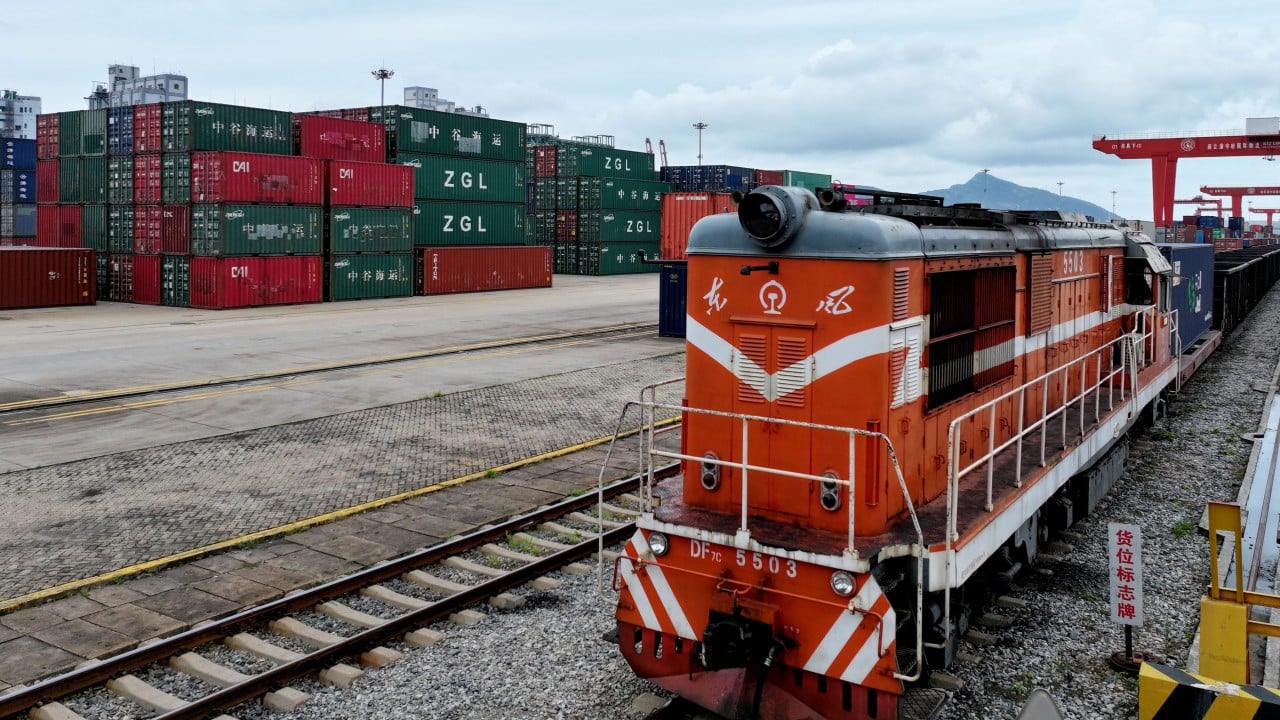
Let us address the specific mechanics that the "crisis" reporters miss. When maritime shipping gets complicated, trade does not vanish; it shifts to the rails.
The New Silk Road’s southern corridor—stretching from western China through Kazakhstan, Uzbekistan, and Turkmenistan straight into Iran—has been quietly upgraded over the last decade. While a container ship bypassing the Cape of Good Hope adds weeks to a voyage, the overland rail network into Tehran remains entirely unaffected by maritime drones or naval task forces.
[China Inland Hubs] ---> [Central Asian Rail Corridor] ---> [Tehran Central Terminal]
                                                                    |
                                        (Immune to Maritime Blockades and Naval Tariffs)
This overland route is not a hypothetical backup plan. It is an active, high-frequency supply line. It bypasses every single choke point monitored by Western navies. The physical infrastructure is already paid for, meaning the marginal cost of shifting cargo from sea to rail during a maritime crisis is negligible compared to the losses a Western firm faces when its cargo is diverted around an entire continent.
The Downside They Do Not Want to Admit
To be fair, this parallel system is not a flawless utopia. It is a gritty, high-stakes environment. If you do not have direct, trusted relationships with regional political actors, you will get wiped out.
The biggest risk to a Chinese trader in Iran right now is not a missile hitting a ship; it is localized inflation and currency volatility within the Iranian Rial. If you price your goods incorrectly, or if your local partner cannot convert Rials into Yuan or digital assets quickly enough, your profit evaporates before the cargo even clears customs.
Furthermore, relying on informal logistics means you have zero legal recourse if a shipment is seized or goes missing in a transit country. There is no international maritime court coming to save you. It is a landscape governed entirely by raw leverage and political alignment. But for the traders who have spent twenty years building these networks, that is a feature, not a bug. It keeps the amateurs out.
Stop Asking if Trade Will Survive
The media constantly asks: How can these merchants survive the shipping crisis?
It is the completely wrong question. You are analyzing a guerrilla economic network using a corporate spreadsheet. The real question you should be asking is: How much market share are these traders locking in while the rest of the world is too terrified to log into a shipping portal?
Every time a mainstream shipping line cancels a port call in the region, the alternative network grows stronger, more resilient, and more deeply embedded. They are building a frictionless trading bloc that does not care about Western naval presence, does not use the US dollar, and thrives on the very instability that paralyzes the West.
Stop waiting for a return to normal. The disruption is the catalyst. The parallel trade architecture is here, it is highly profitable, and it is completely untouchable.