The coffee in the porcelain cup had gone cold hours ago. Captain Ardashir didn't drink it. He couldn't. His eyes were fixed on the green, glowing arc of the radar screen on the bridge of his container ship, a floating city of steel carrying thousands of tons of consumer goods across the Arabian Gulf. Outside, the night was thick, bruised with humidity, and suffocatingly quiet.
Too quiet. For a different perspective, consider: this related article.
For centuries, mariners have called these narrow straits by many names, but today, they are simply a choke point. Just twenty-one miles wide at their absolute narrowest, this slender marine corridor is the literal jugular vein of global energy and commerce. Through these waters passes roughly a fifth of the world's petroleum. Every drop of crude matters. Every whisper of static on the radio matters.
And tonight, the static was screaming. Further insight regarding this has been published by NBC News.
When the Horizon Erupts
Dawn arrived not with the gentle brush of gold across the water, but with the sudden, sharp roar of jet engines tearing through the low-hanging clouds.
(Note: The following sequence illustrates the tactical reality reported in recent defense briefings.)
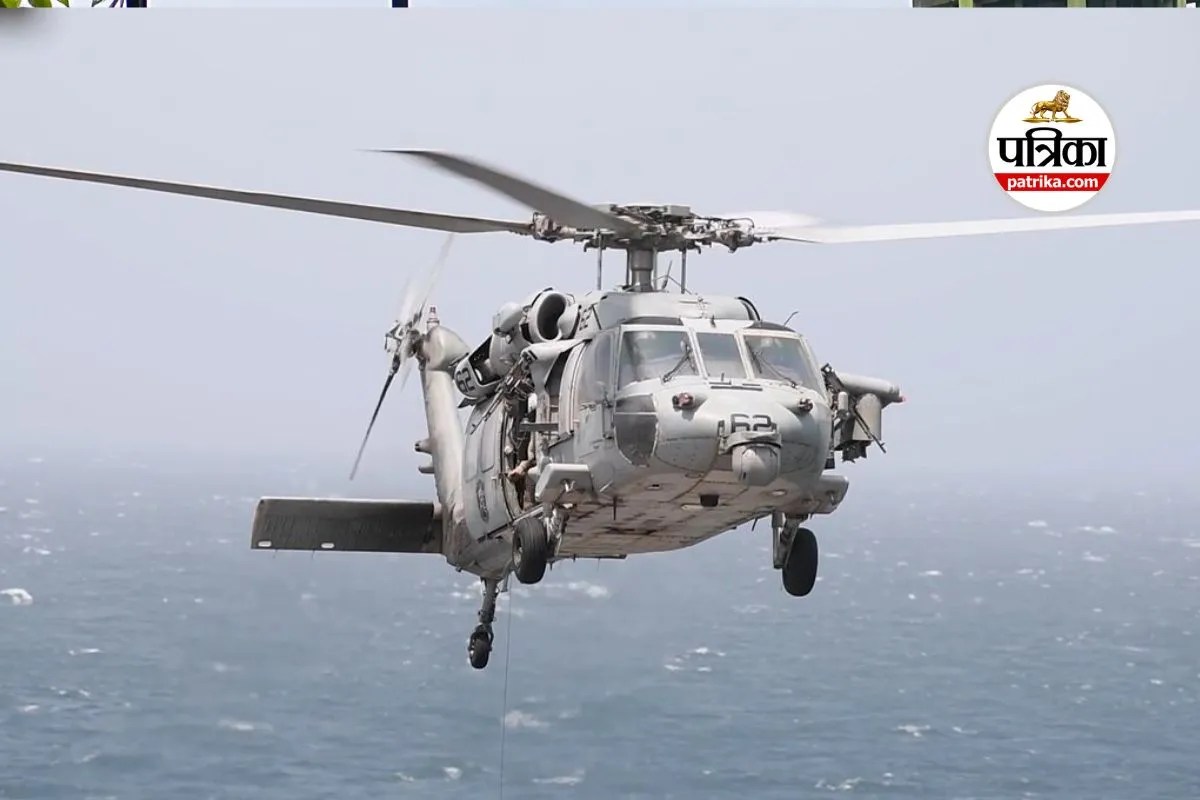
A gray hull cut through the waves, churning white foam as it intercepted a commercial cargo vessel. Then came the flash. Not an exercise. Not a warning shot fired harmlessly across the bow. A missile, sleek and lethal, launched from American naval assets in a rapid escalation of force designed to halt a blockade before it could strangle the maritime route entirely. The shockwave rattled the glass on the bridge of Ardashir's ship miles away. The cargo vessel ground to a halt, dead in the water, trapped between geopolitical ambitions and the brutal physics of modern naval warfare.
Panic does not announce itself with sirens. It arrives as silence. Across the trading floors of London, Tokyo, and New York, millions of dollars evaporated into the ether before the markets even opened. Brent crude spiked. Shipping insurance rates skyrocketed overnight, transforming a standard maritime journey into a high-stakes gamble where the house always wins, and the house is fear.
Why does a stretch of water thousands of miles away from Main Street dictate the price of a gallon of fuel or a loaf of bread?
Because we live on a fragile thread.
The Anatomy of a Choke Point
Imagine a single lane highway carrying every drop of life-giving water to a parched megacity. Now imagine someone standing in the middle of that road with a match. That is the Strait of Hormuz.
For decades, the global economy has functioned on the assumption that the sea lanes would remain open. We built supply chains that stretched across oceans, trading localized resilience for global efficiency. We outsourced our manufacturing, our energy production, and our peace of mind to the concept of uninterrupted transit.
It was a brilliant system until it wasn't.
When the Iranian government and allied regional factions flex their muscles, threatening or attempting to close the strait, they aren't just playing a game of geopolitical chess. They are holding a knife to the throat of the international economy. The recent escalation—featuring aggressive maneuvers, intercepted cargo ships, and direct American military intervention—reveals just how thin the veneer of stability truly is.
Consider what happens next when a missile stops a merchant vessel. The crew on that ship are not soldiers. They are Filipinos, Indians, and Eastern Europeans earning a paycheck to send home to their families. They are cooking meals in the galley, checking engine pressures, and watching the news on smuggled Wi-Fi connections, wondering if they will see their children again. For them, the Strait of Hormuz is not a headline on a smartphone screen. It is an ocean of anxiety.
The Invisible Cost of Fear
Economics textbooks love to talk about supply and demand as if they are abstract laws of nature, akin to gravity or thermodynamics. They are not. They are human emotions quantified. Fear looks like a spike in futures trading. Greed looks like an oil tanker doubling its rates because the captain is risking his life to cross a war zone.
When a blockade is threatened, the price you pay at the pump tomorrow morning is not determined by the oil pumped out of the ground today. It is determined by the collective terror of men in air-conditioned rooms thousands of miles away who are terrified that the next ship won't get through.
I remember talking to a veteran mariner years ago, a man who had navigated these exact waters during previous conflicts. He smoked a cigarette down to the filter, staring out over the harbor, and said something that has stayed with me ever since.
"The ocean doesn't care about your flags," he told me, his voice gravelly with salt and age. "You can paint whatever colors you want on the side of your ship, but when the missiles start flying, the water just closes over the top of you just the same."
That is the reality behind the sanitized news reports of naval actions and diplomatic communiqués. It is a terrifying vulnerability masked by the smooth operation of modern logistics.
The Unforgiving Calculus
The United States military's intervention—stopping a cargo vessel to preempt a total blockade—was framed as a decisive action. In Washington and regional command centers, it was calculated as a necessary deterrent. But deterrence is a delicate art. Push too softly, and you invite aggression. Push too hard, and you ignite the very regional war you are trying to prevent.
There is no safe harbor in this equation.
Every escalation alters the baseline of global stability. We are slowly sleepwalking into an era where the globalization of the past fifty years is fracturing along maritime fault lines. Nations are realizing that dependence on distant supply chains passing through volatile straits is a fatal flaw.
As Captain Ardashir finally turned his ship away from the danger zone, altering his course through the Arabian Sea to seek a safer, longer route around the turbulence, the sun began to sink below the horizon, staining the water the color of rust and blood. The radio crackled once more with coded military chatter, fading into the static of the open sea.