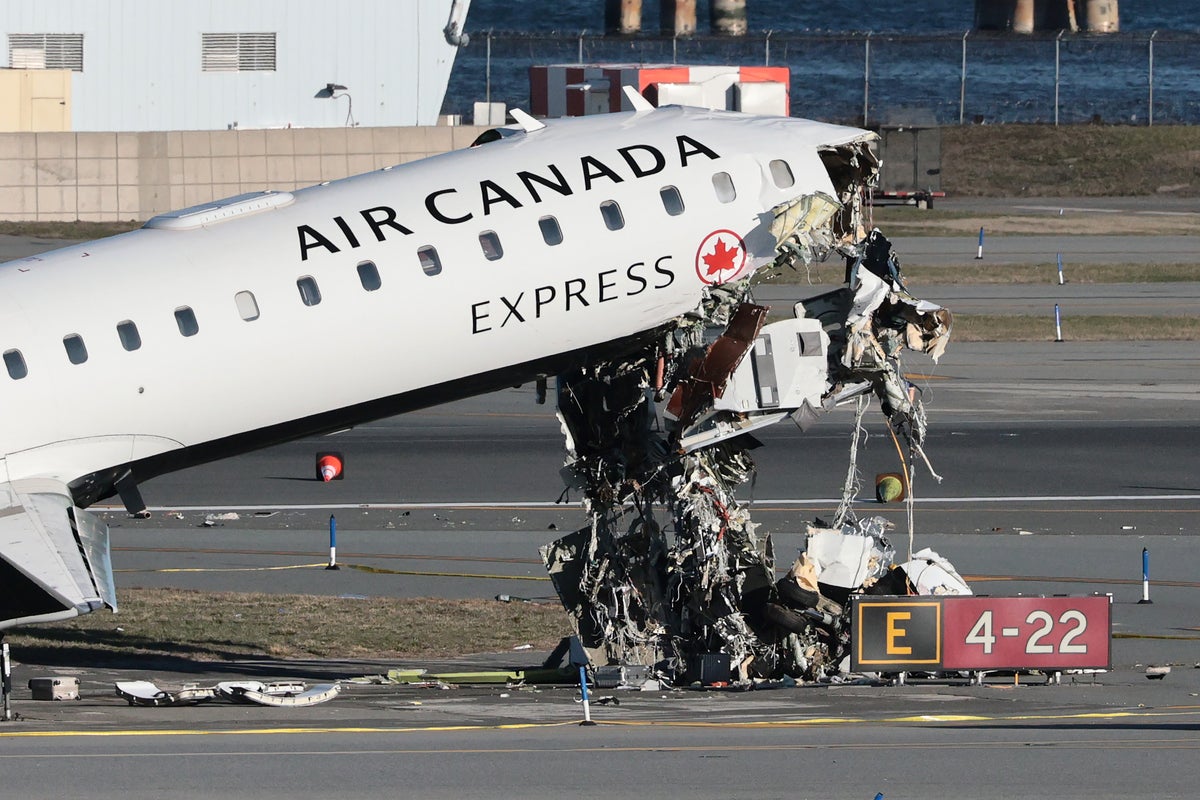
The mainstream media is suffering from a severe case of data blindness regarding aviation safety. Every few months, a breathless headline screams about a "terrifying near-miss" on a US runway. Pundits line up to claim the Federal Aviation Administration (FAA) is collapsing, air traffic controllers are sleeping on the job, and commercial flight has become a game of Russian roulette.
It is a compelling narrative. It is also completely wrong.
The surge in reported runway incursions and close calls is not proof that the skies are becoming more dangerous. In fact, it is the exact opposite. The rising numbers are the direct result of a hyper-vigilant, ultra-sensitive reporting system doing exactly what it was designed to do: catch micro-flaws before they turn into catastrophes. We are not seeing a breakdown in safety; we are witnessing the triumph of a system that tracks everything.
The Lazy Consensus on Air Safety
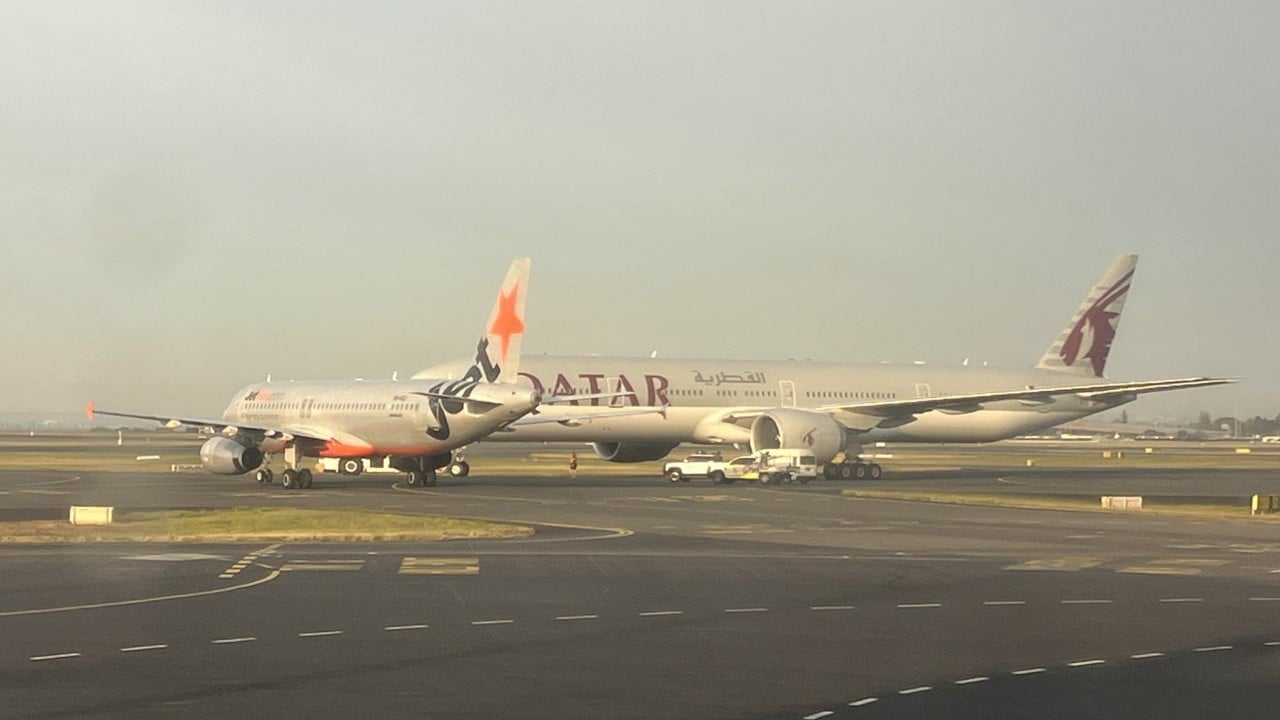
The standard article on this topic follows a predictable script. It highlights a dramatic incident—like a FedEx cargo plane and a Southwest airliner sharing the same runway in Austin—points to air traffic controller fatigue, and concludes that systemic failure is imminent.
This argument confuses increased visibility with increased risk.
For decades, the aviation industry operated under a reactive safety model. Accidents happened, investigators dug through the wreckage, found the "smoking gun," and changed the rules. Today, the US commercial aviation sector operates on a predictive, data-driven framework.
Because we have virtually eliminated fatal crashes in major domestic airlines—the last one occurred in 2009 with Colgan Air Flight 3407—the industry had to find a new way to measure risk. You cannot improve a system if you only study failures, and when failures drop to near-zero, you have to start studying anomalies.
Enter the Airport Surface Detection Equipment (ASDE-X) and NextGen surveillance systems. These technologies track ground movements with centimeter-level precision. When two aircraft get closer than the tightly prescribed buffers, an alert triggers. Twenty years ago, a pilot might have adjusted their taxi path slightly, corrected the error, and never thought about it again. Today, that event is logged, analyzed, and broadcast to the public as a "near-miss."
Why More Data Looks Like More Danger
Imagine a manufacturing plant that suddenly installs high-definition cameras and automated sensors on every inch of its assembly line. Overnight, the number of recorded "micro-stops" and component misalignments jumps by 400%.
Has the factory become more dangerous? No. The factory is running exactly as it did before, but management can now see the friction points that were previously invisible.
The FAA utilizes tools like the Aviation Safety Action Program (ASAP), which allows pilots, mechanics, and controllers to report errors without fear of punitive action. This creates a massive influx of self-reported data. When the media looks at the raw volume of these safety reports, they mistake a culture of radical transparency for a culture of systemic negligence.
Traditional Safety Model:
Accident ➔ Investigation ➔ Rule Change (Reactive)

Modern Aviation Safety Model:
Anomalies ➔ Data Logging ➔ Proactive Protocol Adjustments (Predictive)
The real risk in aviation is not that these close calls are happening; it is that the public will force regulators to overcorrect based on a misunderstanding of the data. If we penalize the system for generating safety alerts, we incentivize people to stop reporting them. That is how real disasters happen.
The Fallacy of the Perfect Runway
People frequently ask on public forums: "Why can't the FAA just eliminate runway incursions entirely?"
The premise of the question is flawed. To eliminate every single runway deviation, you would have to reduce the efficiency of the US airspace to a crawl. You would need to space flights hours apart, ground planes during minor weather events, and paralyze an economic engine that moves millions of people daily.
Aviation safety is an exercise in managing acceptable variance, not achieving a sterile, laboratory-grade perfection that destroys utility.
Consider the mechanics of a modern airport. A hub like Hartsfield-Jackson Atlanta International handles over 2,100 arrivals and departures a day. The tarmac is a hyper-dense, fast-moving puzzle of aluminum and jet fuel. The fact that aircraft occasionally occupy the same airspace margins without touching is proof that the multi-layered defense system—comprising visual checks, onboard TCAS (Traffic Collision Avoidance System), ground radar, and human oversight—works. The redundancy saves lives, even when the primary layer slips.
The Real Air Traffic Controller Crisis
Let's address the genuine bottleneck, because the contrarian view does not mean denying reality. The issue isn't that controllers are incompetent; it's that the hiring pipeline is broken.
I have spent years watching transportation networks optimize their workforces, and the FAA’s current approach to staffing is an archaic relic. The agency has been understaffed for a decade, forcing controllers into mandatory six-day workweeks.
But here is the nuance the mainstream press misses: the fatigue isn't causing a surge in deadly crashes because the automated guardrails prevent those mistakes from compounding. Instead, human fatigue manifests as operational inefficiency. It causes delays, cancellations, and capacity limits. The system slows down to maintain its safety margins.
The danger isn't that a tired controller will guide two planes into a head-on collision; it's that the system will become so sluggish and constrained that it chokes off regional economies.
The Downside of Radical Safety
There is a cost to this level of scrutiny, and it is one that safety advocates rarely want to admit.
When you tune your sensor thresholds to be incredibly sensitive, you generate false positives—or more accurately, non-hazardous alerts. Pilots are bombarded with warnings. Controllers face constant administrative reviews for minor deviations that posed zero actual threat to life or property.
This leads to alarm fatigue. When everything is classified as an urgent safety risk, nothing feels like one. The industry is currently wrestling with this exact psychological friction. By treating a minor taxiway line overstep with the same bureaucratic gravity as a genuine runway interception, we exhaust the mental bandwidth of the operators.
Stop Demanding Zero Risk
If you want absolute safety, stay in bed. The moment an aircraft pushes back from the gate, it enters an environment of calculated risk.
The obsession with eliminating the headline-grabbing "near-miss" is distracting us from the real technological shifts needed in aviation, such as upgrading aging cockpit displays, standardizing digital taxi instructions across secondary airports, and overhauling FAA academy training protocols.
The next time you see a news report about a terrifying close call on a runway, do not panic. Recognize it for what it actually is: evidence of a hyper-tuned, obsessively self-critical apparatus that is hyper-aware of its own imperfections. The day we stop hearing about near-misses is the day you should start worrying, because it means the system has gone blind.
The sky isn't falling. The cameras just got better.