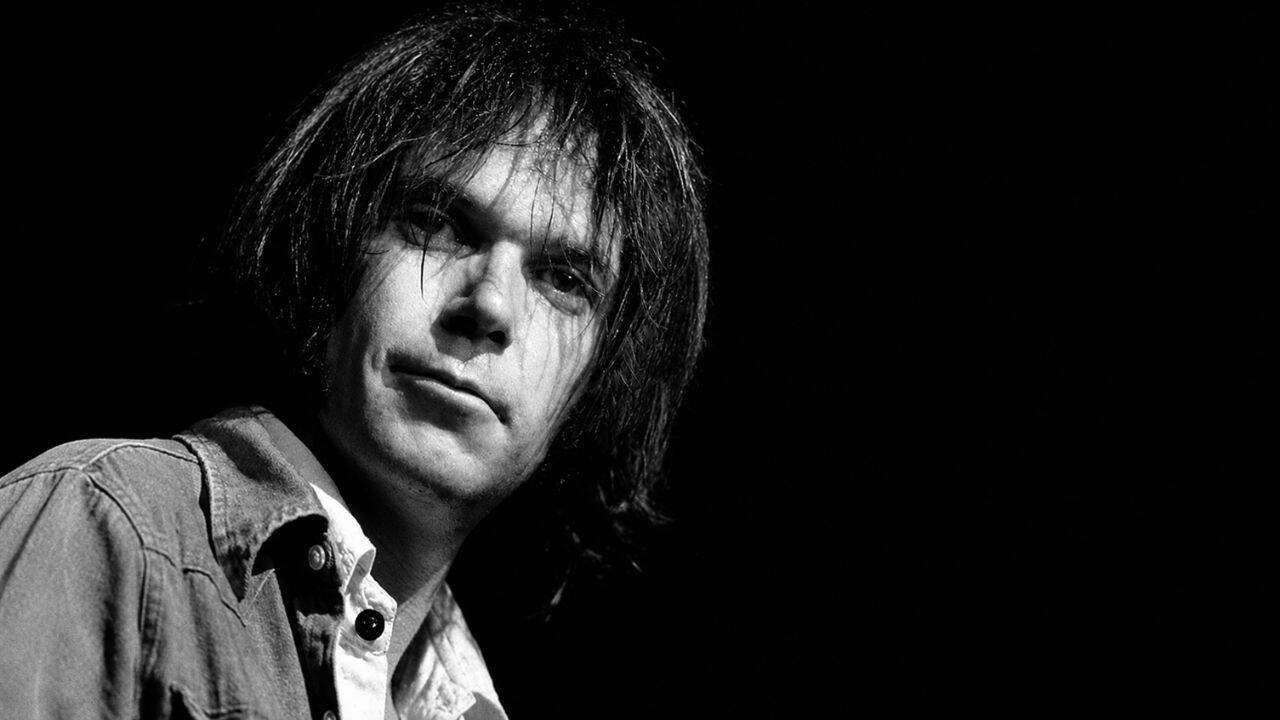
Back in 1970, a twenty-five-year-old musician named Neil Young walked away with a massive chunk of Northern California land. He dropped $350,000 on the property, which he named the Broken Arrow Ranch. Most people know that purchase today because it birthed one of rock music's most enduring anthems. But the real story isn't about the price tag or the acreage. It's about an accidental afternoon ride in an old blue army jeep.
The Jeep Ride That Changed Everything
When Young arrived to survey his new investment, he didn't go alone. The property came with a resident caretaker named Louis Avila, who lived there alongside his wife, Clara. Avila piled the young, long-haired rock star into a battered vehicle to show him the boundaries of the land, climbing up toward a high-altitude lake that fed the pastures below.
As they bounced along the dirt tracks, Avila turned to his new employer with total candor. He asked how a guy so young could possibly afford a sprawling piece of paradise like this.
Young gave a famously breezy response. He told Avila he was just lucky. Real lucky.
That simple exchange stuck in Young's head long after the engine cut out. It wasn't just a funny anecdote about wealth gaps. It highlighted a strange mirror image. Here was a kid sitting on a pile of rock-and-roll cash, and a working-class man who had spent his life tending to the soil. Yet, beneath the obvious generational divide, Young recognized a startling truth. They were both just trying to figure out how to live day-to-day.
From Real Life to the Tracklist
That afternoon in La Honda formed the emotional backbone of the song "Old Man," which eventually landed on the 1972 masterpiece album Harvest. With James Taylor playing a haunting banjo-guitar hybrid in the background, the track bypassed standard rock bravado. Instead, it zeroed in on aging, identity, and the surprising parallels between young ambition and seasoned endurance.
Lines like "Old man, look at my life, I'm a lot like you were" hit with heavy irony. A twenty-four-year-old multi-millionaire pop icon was comparing his internal state to an aging ranch hand. But human desires don't care about bank accounts. Everyone wants security, a sense of home, and someone to love when the sun goes down.
The Mystery of the Misidentified Muse
Music history loves a tidy narrative, but human perception is messy. Years later, in his memoir Waging Heavy Peace, Young admitted a funny twist about the song's legacy. His own father, Scott Young, genuinely believed the track was written about him.
Neil never bothered to correct his dad. He let him keep that belief. Art rarely belongs exclusively to its creator once it leaves the studio. Once a song hits the airwaves, listeners project their own fathers, mentors, and past versions of themselves onto the lyrics. Louis Avila started it all from the seat of a beat-up jeep, but the song quickly belonged to anyone staring down the passage of time.
What the Broken Arrow Ranch Story Teaches Us
People often look at the lives of rock legends as untouchable fairy tales. They see the mansions, the gold records, and the million-dollar land purchases as proof of a completely alien existence.
This story proves the exact opposite.
True creative work usually comes from paying attention to ordinary moments. A multi-platinum artist didn't find his inspiration in a VIP lounge or a high-end recording studio. He found it by shutting up, listening to a blue-collar worker talk about the land, and realizing their inner lives matched up. Next time you find yourself talking to someone from a totally different generation or background, skip the small talk. Pay attention to what they say. You might just find the chorus of your life hiding in the passenger seat.