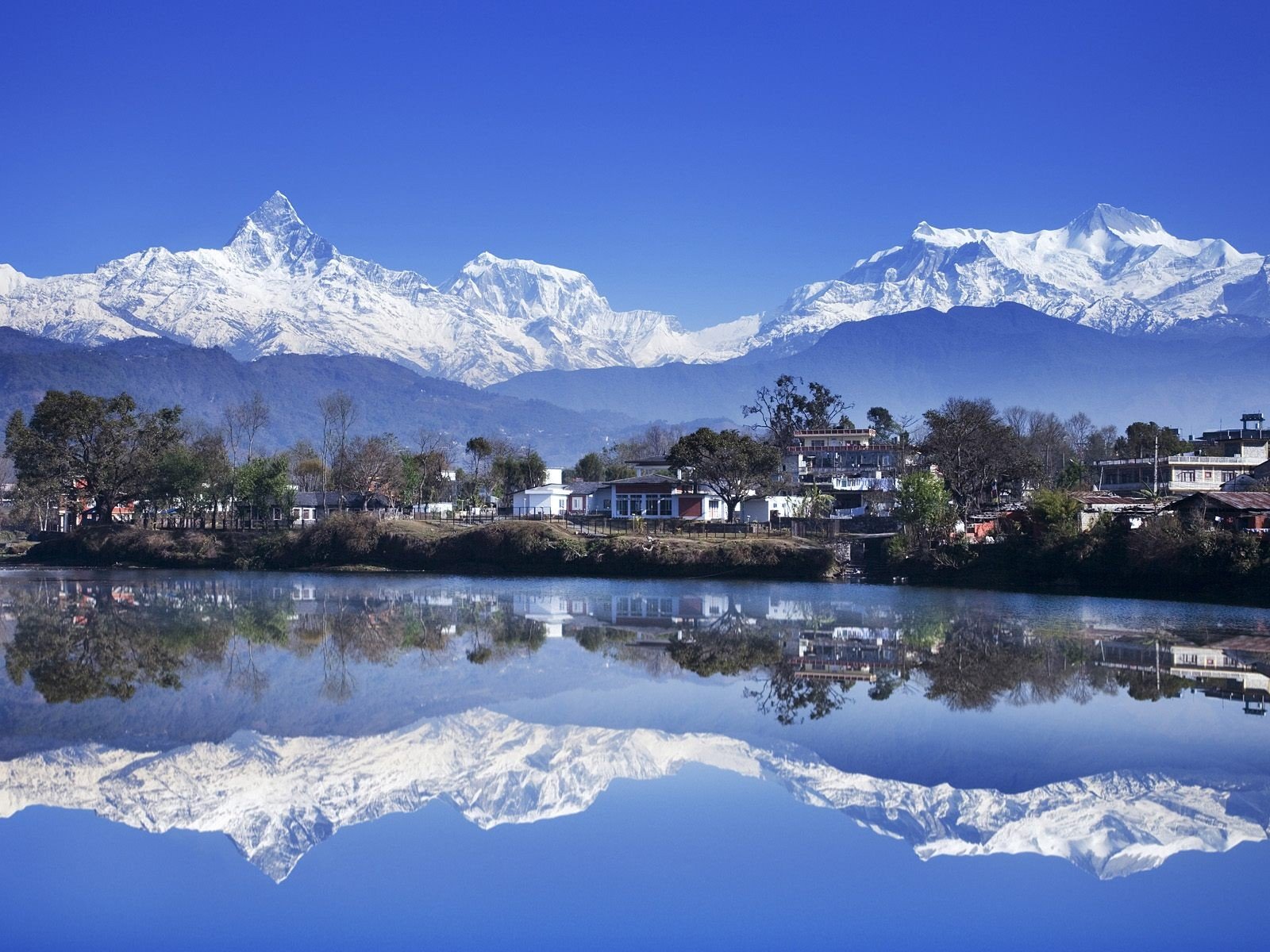
History isn't just written on paper. Sometimes, it gets buried underground, hidden beneath mountain soil and forgotten brush until tragedy forces it back into the light. When you hear about Nepal, you probably picture towering Himalayan peaks, bustling Kathmandu markets, or the serene trails of the Annapurna circuit. You don't picture dark, winding earthen channels engineered for survival that turned into lethal enclosures.
We need to talk about Nepal's hidden tunnel networks. Reuters and other investigative outlets brought these subterranean structures into focus, exposing how historical paths built for defense or movement morphed into fatal hazards. But standard news coverage stops at the surface level. It rarely digs into the real structural mechanics, the geography of danger, or why these underground spaces continue to threaten local populations and unwary explorers.
Why These Subterranean Passages Were Built
People built these tunnels for a reason. They weren't random sinkholes or tourist caves. Throughout various turbulent periods in the region's history—ranging from regional conflicts to political unrest—locals and fighters carved intricate routes through unstable soil and rock.
These networks served distinct purposes:
- Concealing troop movements away from enemy eyes
- Storing vital supplies during sieges or raids
- Creating escape routes through rugged terrain where the surface was too exposed
When you look at the topography of regions like Sindhuli or parts of the rugged mid-hills, you understand the tactical appeal. Cover was scarce. Going underground felt like the only way to survive. The engineers relied on local soil mechanics, shoring up walls with timber or simply trusting the natural cohesion of packed earth.
That trust was misplaced.
How Historical Safe Havens Turned Into Death Traps
Time is cruel to unsupported earth. Once conflicts ended and communities moved on, maintenance stopped. Water is the silent destroyer of any subterranean structure. Monsoon rains pound Nepal year after year, soaking the hillsides and turning dry soil into heavy, shifting mud.
As groundwater seeped into these hidden paths, it eroded the structural integrity from the inside out. Roofs began to sag. Walls lost their support. Worse yet, oxygen levels inside these unventilated shafts plummeted over decades, replaced by carbon dioxide and stagnant gases.
The transition from a secure hideout to a death trap happened in silence. A local farmer or a curious teenager might stumble upon an opening obscured by overgrowth. Step inside, and you face a triple threat:
- Sudden collapses: Vibrations or extra weight can trigger a cave-in instantly.
- Asphyxiation: Pockets of toxic air sit quietly in dead-end chambers.
- Flash flooding: Monsoon downpours turn these tunnels into underground rivers with nowhere to escape.
The Real Risks Facing Modern Communities
This isn't just a grim historical footnote. It's an active hazard. Rural expansion brings people closer to forgotten historical sites. Children play near abandoned clearings. Farmers clear brush for new plots and accidentally break into unstable subterranean cavities.
Emergency responders in Nepal face an absolute nightmare when accidents happen in these networks. Standard heavy machinery often cannot reach remote hillside locations. Digging by hand risks triggering secondary collapses on top of trapped victims. Local authorities frequently lack specialized subsurface rescue gear, meaning response times stretch dangerously long.
If you're traveling through rural historical zones in Nepal, respect the landscape. Don't wander off established paths into overgrown ravines or uncharted hillside depressions. Local guides know where these hazards lie; outsiders do not.
History has weight. Sometimes, that weight sits right beneath your feet, waiting to give way. Stay aware, respect the terrain, and remember that the most dangerous monuments are the ones you cannot see coming.