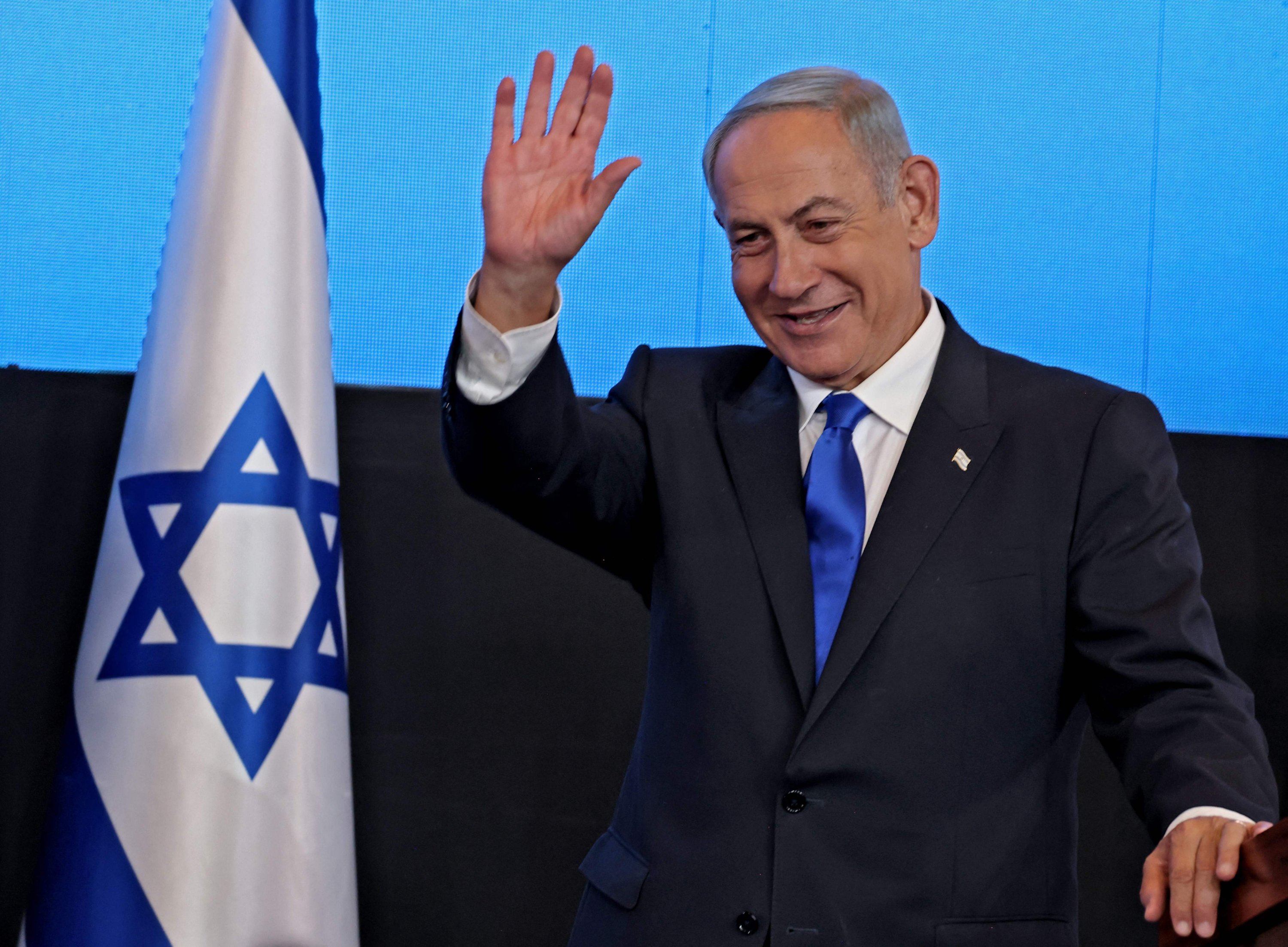
Prime Minister Benjamin Netanyahu boards his state aircraft bound for Washington D.C., carrying an agenda dominated by a singular obsession. Tehran dictates every calculus of this journey. The official itinerary frames the trip around high-stakes geopolitical consultations with Donald Trump, alongside a somber detour to attend the funeral services of Senator Lindsey Graham. Yet beneath the diplomatic formalities lies a much deeper struggle for alignment between Jerusalem and its primary western benefactor as regional tensions reach a boiling point.
For months, the trajectory of Israeli military doctrine and American political shifts has created an uneasy friction. Netanyahu touches down in the United States not merely as a visiting head of state, but as a leader attempting to lock in strategic commitments before domestic political shifts in Washington complicate future maneuvers. The central question defining this visit is whether the incoming or returning American leadership will grant Israel the strategic latitude it demands to permanently degrade Iran’s nuclear infrastructure and regional proxy network.
To understand why this trip matters, one must look past the red carpet and examine the mechanics of modern military dependency. Israel possesses exceptional tactical capabilities, but its long-term strategic depth relies entirely on American diplomatic cover at the United Nations and a steady pipeline of advanced munitions. Netanyahu knows this equation better than anyone. He has spent decades mastering the art of appealing directly to the American public and political class, bypassing traditional diplomatic channels when necessary to secure his objectives.
The Tehran Obsession and Strategic Calculus
The phrase repeated in diplomatic corridors across Jerusalem is straightforward. First and foremost, Iran. Every strategic decision made by the current Israeli administration filters through the prism of the Islamic Republic's nuclear enrichment milestones and its expanding network of regional militias. From Lebanon to Yemen, the arc of instability has tightened around Israel's borders.
Netanyahu’s primary objective in Washington centers on securing explicit, actionable buy-in from Donald Trump regarding how to handle Tehran's nuclear program. While previous administrations favored containment or prolonged diplomatic negotiations, the current Israeli stance views the window for effective military prevention as rapidly closing. The calculation inside the Prime Minister's office is that waiting carries an existential risk, whereas aggressive preemptive action, though catastrophic in its immediate aftermath, offers a chance at long-term survival.
However, Washington operates under a different set of political pressures. Trump has long maintained an America First foreign policy doctrine, which inherently resists endless foreign entanglements or open-ended military commitments that could drag the United States into a massive Middle East war. While Trump has historically positioned himself as fiercely pro-Israel—noting landmark moves like the relocation of the US embassy to Jerusalem and the Abraham Accords—his administration also harbors a vocal faction of isolationist advisors who view Middle Eastern interventions with deep skepticism.
This creates a delicate diplomatic tightrope. Netanyahu must convince an unpredictable American leader that confronting Iran decisively serves American interests, rather than merely dragging the US into a conflict on behalf of a foreign ally.
The Shadow of Lindsey Graham
The dual nature of this trip—mixing high-level geopolitics with personal mourning—highlights the complex web of bipartisan relationships Netanyahu has cultivated over his decades in public life. The inclusion of Senator Lindsey Graham’s funeral on the official schedule is more than a polite diplomatic gesture. It marks the passing of one of Israel’s most reliable, hawkish defenders on Capitol Hill.
Graham functioned as a crucial bridge between the executive branch and the legislative branch for Israeli interests. Whenever Netanyahu needed a reliable voice in the Senate to push back against diplomatic fatigue or calls for restraint, Graham was the predictable megaphone. His absence leaves a noticeable vacuum in Washington's pro-Israel caucus, a reality that adds urgency to Netanyahu's mission.
With key legislative allies fading from the scene or shifting their focus toward domestic economic concerns, Netanyahu must secure personal assurances from Trump that bypass traditional congressional intermediaries. The death of figures like Graham underscores a broader generational shift in American politics. Younger lawmakers on both sides of the aisle exhibit far less automatic attachment to traditional foreign alliances, making executive-level alignment more vital than ever for the Israeli premier.
The Economic and Military Reality
Behind the closed doors of these high-level meetings, the conversation inevitably turns to logistics. Air superiority, precision-guided munitions, and missile defense interceptors do not materialize out of thin air. Israel's defense industrial base, while remarkably innovative, depends on specialized components and raw materials sourced largely from American manufacturers.
The ongoing intensity of multi-front military operations has severely strained interceptor stockpiles. Iron Dome, David's Sling, and Arrow battery inventories require constant replenishment. Netanyahu’s discussions with American defense contractors and political leaders will focus heavily on accelerating delivery timelines for these critical defense systems.
Yet, military aid is never a one-way street of unconditional charity. Washington expects intelligence sharing, technological cooperation, and adherence to broad strategic parameters. When Israeli forces strike targets linked to Iranian proxies, American military planners evaluate the fallout regarding regional shipping lanes, oil prices, and the safety of US service members stationed throughout the region.
Navigating the Regional Fallout
The broader Middle East is watching this Washington summit with profound anxiety. Regional actors understand that a green light from Trump for more aggressive Israeli actions against Iran could trigger a cascade of retaliatory strikes across the Gulf states, commercial shipping routes, and energy infrastructure.
Arab nations that normalized relations with Israel under the Abraham Accords find themselves in an increasingly difficult diplomatic bind. Public sentiment across the region remains fiercely opposed to military campaigns that result in high civilian casualties, yet ruling elites quietly share Jerusalem's view that a nuclear-armed Iran poses a mortal threat to their own stability. Netanyahu’s ability to navigate this tension during his US visit will shape whether the existing network of regional partnerships holds together or frays under the pressure of escalating conflict.
The diplomatic dance in Washington will ultimately yield few public surprises, but the private conversations will determine the operational tempo of the Middle East for the next several years. As Netanyahu boards his flight back to a country perpetually on edge, the core dilemma remains unresolved. Containing a hostile regional power without igniting a global conflagration requires a level of precision that diplomacy rarely achieves, leaving both leaders walking a razor-thin edge between deterrence and disaster.