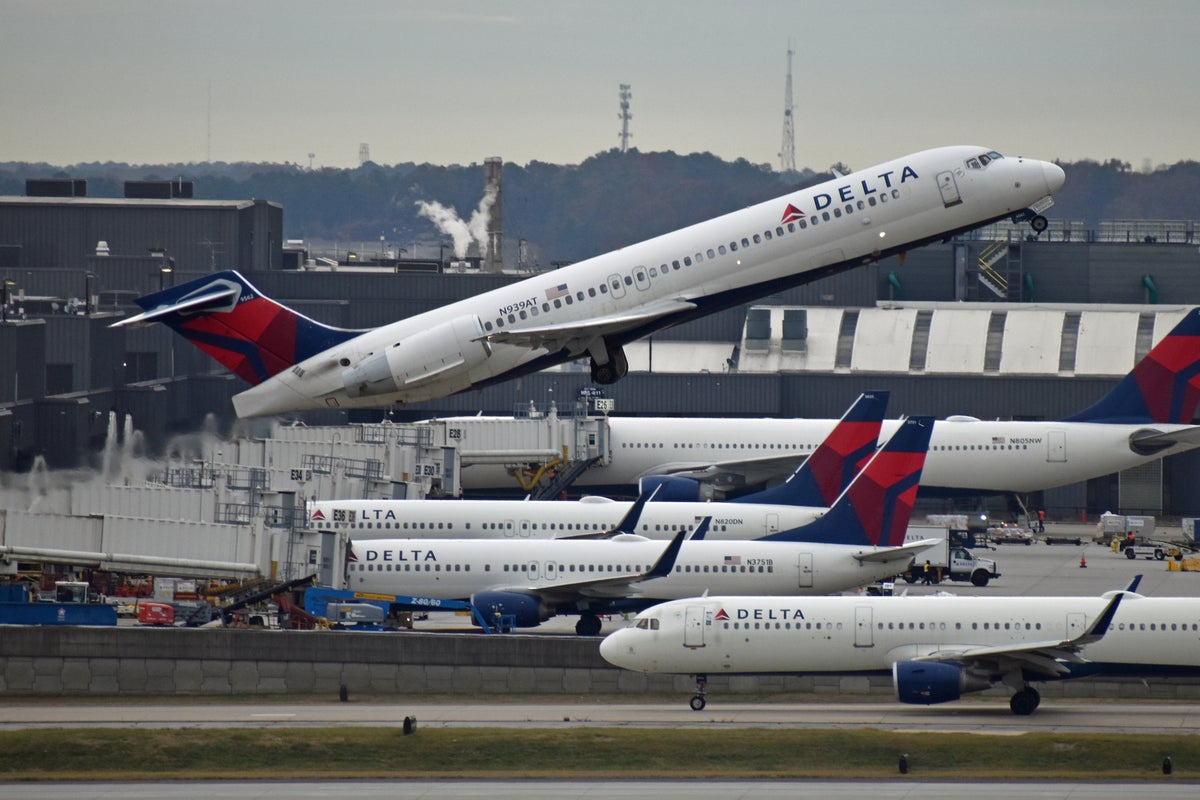
If you've been waiting for airfares to drop before booking your summer getaway, I have some bad news. Delta Air Lines just made it clear that the era of "wait and see" is officially over. On Wednesday, Delta CEO Ed Bastian laid out a reality check that every traveler needs to hear. Between a massive spike in fuel costs and a geopolitical mess in the Middle East, the airline is essentially waving a white flag on cheap tickets.
It isn't just a Delta problem. It's an industry-wide squeeze. But Delta is being the most vocal about it right now. They’re facing a $2 billion hit to their fuel bill this quarter alone. That’s not a typo. Two billion dollars. When an airline’s second-largest expense nearly doubles in a few months, they don’t just eat that cost. They pass it to you.
The Math Behind Your Rising Airfare
Airlines aren't charities. They're businesses with razor-thin margins. Most people think a $400 ticket is mostly profit, but fuel usually eats up about 25% of that. When jet fuel prices surge—like they have since the conflict in the Middle East escalated in late February—those margins evaporate.
Delta expects to pay roughly $4.30 per gallon for jet fuel this quarter. Compare that to what they were paying a year ago, and you start to see why they’re panicking. They’re aiming to "recapture" about 40% to 50% of those costs through higher fares and fees. That means if their costs go up by $100 per seat, your ticket is going up by at least $50.
Honestly, the situation is even tighter than the headlines suggest. Delta is pulling back on "capacity growth." In plain English? They’re flying fewer planes than they originally planned. Basic economics tells you what happens next. When there are fewer seats available but everyone still wants to fly, prices go one way: up.
Why Fees Are Hitting Your Wallet First
You’ve probably noticed that baggage fees are getting ridiculous. Delta just hiked domestic checked bag fees by $10. It’s now **$45 for your first bag** and $55 for your second.
- First Bag: $45
- Second Bag: $55
- Third Bag: $200
Bastian admitted that at these fuel levels, it’s hard to call any price increase "temporary." This is a strategic pivot. It’s easier for an airline to hike a fee that only some people pay than to raise every single base fare by $50 and scare off travelers. But make no mistake, the base fares are moving too.
The K-Shaped Travel Reality
Here’s the part nobody wants to talk about. The airline industry is splitting in two. Bastian noted that Delta’s growth is coming almost entirely from "high-end" consumers. People who book business class and premium economy aren't blinking at a $200 price hike.
If you’re a budget traveler looking for those $199 cross-country deals, you’re the one getting squeezed out. Delta is intentionally cutting midweek and red-eye flights—the ones that usually have the cheapest seats—because they’re the least fuel-efficient to fly when they aren't 100% full. They’re focusing on the "winners," as Bastian put it.
How to Avoid Getting Burned
Don't wait. Seriously. If you’re eyeing a flight for June or July, the price you see today is likely the lowest it will be. United and American are following the same playbook, and with the "crack spread"—the difference between crude oil and refined jet fuel—at historic highs, there’s no relief coming from the refineries.
What you should do right now:
- Lock in prices today: Book flights with flexible change policies. If the price somehow drops (unlikely), you can rebook.
- Watch the ancillaries: If you’re a loyalist, use your co-branded credit cards to dodge those new $45 bag fees.
- Be flexible on location, not dates: Instead of picking a destination and hoping for a deal, use "Explore" tools to see where the capacity hasn't been slashed yet.
The ceasefire news might offer a temporary breather for oil markets, but airlines have already signaled their intent. They’re prioritizing profit over volume. If you want a seat on the plane, you're going to have to pay the premium for it.