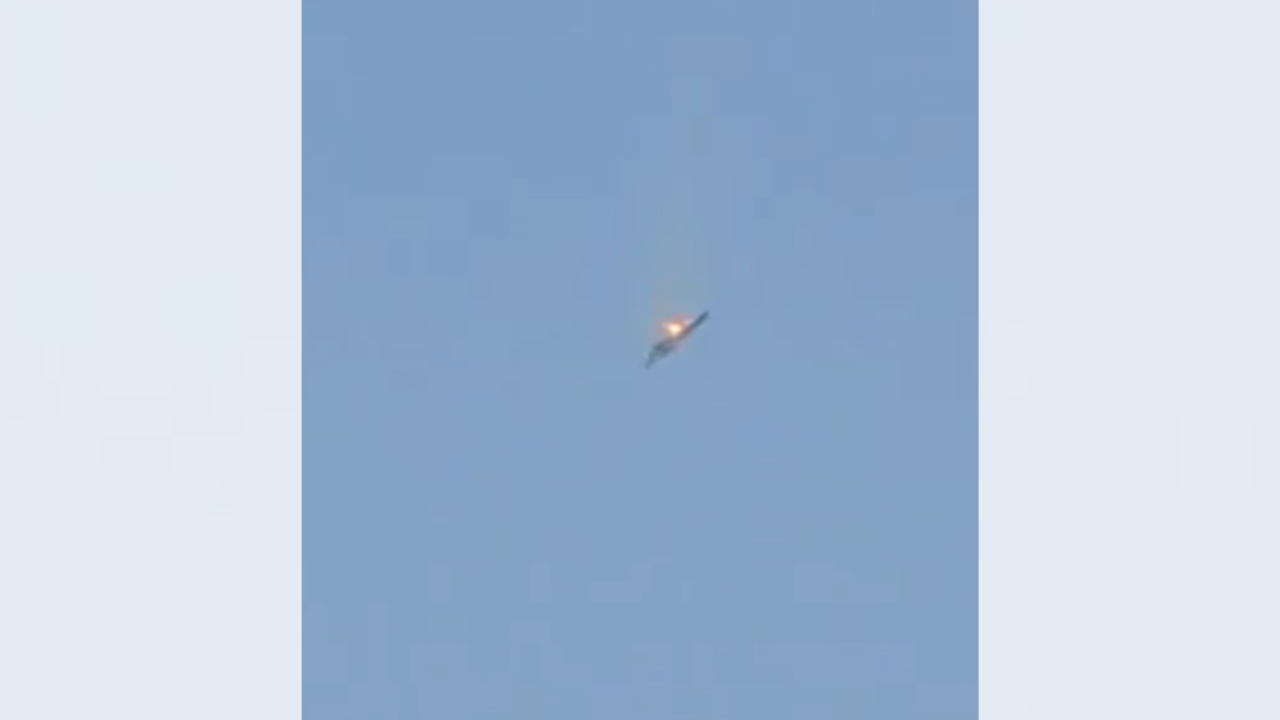
The tea in the canteen at Nur Khan Airbase was likely still hot when the first explosion tore through the silence of Rawalpindi. In the structured, rhythmic world of a military installation, time is usually measured by the changing of the guard or the distant whine of a jet engine. But on this night, time fractured.
When the Tehrik-i-Taliban Pakistan (TTP) launched a coordinated assault across multiple military nerve centers, they weren't just aiming for physical infrastructure. They were hunting for the psychological bedrock of the state. To hit Nur Khan is to strike at a symbol of strategic reach. It is a place where dignitaries land and where the machinery of national defense breathes. When a rocket finds its mark there, the sound carries far beyond the perimeter wire. It echoes in the bedrooms of civilians blocks away and in the briefing rooms of capitals halfway across the globe.
The Anatomy of a Midnight Breach
Imagine a young recruit—let’s call him Tariq—standing his watch. He is a product of a generation that has known nothing but the "Long War." To him, the threat isn't a headline; it’s a shadow that moves just outside the reach of a searchlight. Tariq knows the statistics: the TTP has been emboldened, surging back with a ferocity that many hoped was a relic of the mid-2010s.
Then, the darkness speaks.
The assault wasn't a singular event. It was a symphony of chaos played out across different geographies. While the fire rose in Rawalpindi, other bases faced their own reckonings. This is the new face of the insurgency—not just a hit-and-run in a remote mountain pass, but a sophisticated, synchronized push into the heart of the "garrison city."
The technical reality is sobering. These aren't just men with rusted rifles. The munitions used in recent strikes across the country suggest a level of equipment and tactical planning that mirrors conventional special forces. There is a specific, jagged terror in realizing that the person on the other side of the fence has been practicing.
The Invisible Stakes of a Borderless War
Why does this matter to someone sitting thousands of miles away? Because geography is a lie we tell ourselves to feel safe.
The destabilization of a nuclear-armed state’s military core isn't a localized "news item." It is a tremor in the global tectonic plate. When the TTP strikes, they are testing the structural integrity of the Pakistani security apparatus. They are asking a question: How much can you hold?
Since the shift in power in neighboring Afghanistan, the geopolitical wind has changed. The borders have become porous membranes for ideology and weaponry. The TTP finds sanctuary in the silence of the mountains, emerging only to puncture the perceived safety of the urban centers. For the average citizen in Rawalpindi or Peshawar, the grocery run now carries a weight of leaden anxiety. They look at the fortified walls of the bases and wonder if those walls are keeping the danger out, or if they have become the very targets that draw the lightning.
The cost of these strikes is often counted in "damaged assets" or "casualties sustained." These are cold, sterile words. They don't capture the smell of cordite or the way a mother in the city grips her child’s hand when the windows rattle. They don't explain the frustration of a military that has spent decades in a state of perpetual mobilization, only to find the enemy inside the gates.
The Logic of the Phoenix
There was a period, perhaps five or six years ago, when the narrative suggested the insurgency was broken. The operations had been "successful." The "threat was neutralized."
We were wrong.
Terrorism is rarely a straight line; it is a cycle. It retreats, learns, adapts, and waits. The TTP's recent resurgence is a masterclass in opportunistic evolution. They have watched the shifting alliances of the region and found the cracks. By hitting multiple bases simultaneously, they force the military to dilate its focus, stretching resources and nerves until they are thin enough to snap.
Consider the sheer audacity required to target an airbase in the middle of a heavily guarded military hub. This isn't desperation. It’s a declaration. It’s the TTP telling the world that no coordinate is sacred and no defense is absolute.
The Human Cost of Strategic Silence
Behind every official statement issued by a spokesperson, there is a vacuum of what is left unsaid. They don't talk about the fatigue in the eyes of the officers who haven't slept in forty-eight hours. They don't mention the agonizing wait for the names of the fallen to be released to their families.
The struggle is often framed as a "war on terror," a phrase so overused it has lost its teeth. In reality, it is a struggle for the soul of a daily routine. It is about whether a shopkeeper can open his shutters without eyeing the parked motorbike next door with suspicion. It is about whether a pilot can walk to his cockpit at Nur Khan without wondering if a sniper has him in a crosshair from a distant rooftop.
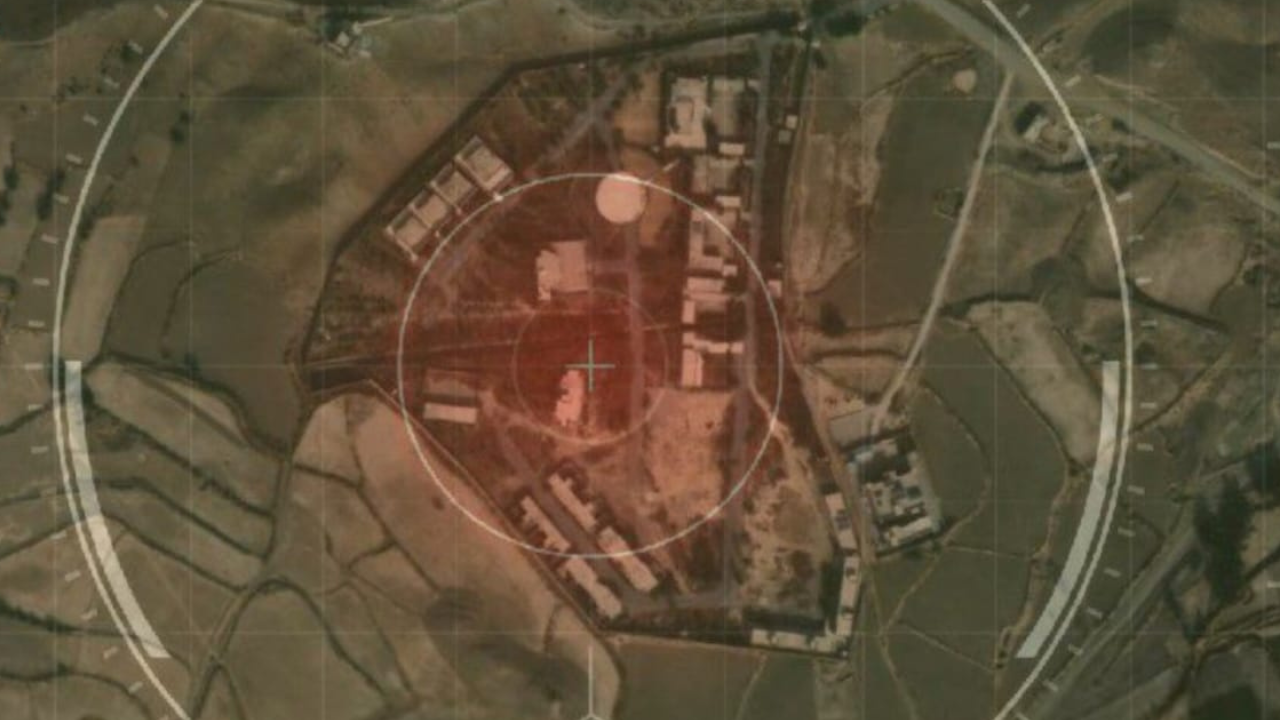
The facts tell us that the strikes occurred. The maps show us where the shells landed. But the narrative—the true story—is about the erosion of certainty.
Pakistan’s military has long been the country’s most powerful institution, a monolith of perceived invincibility. When that monolith is chipped away at by persistent, coordinated strikes, the vibration is felt by every citizen. If the protectors are bleeding in their own homes, where does that leave the protected?
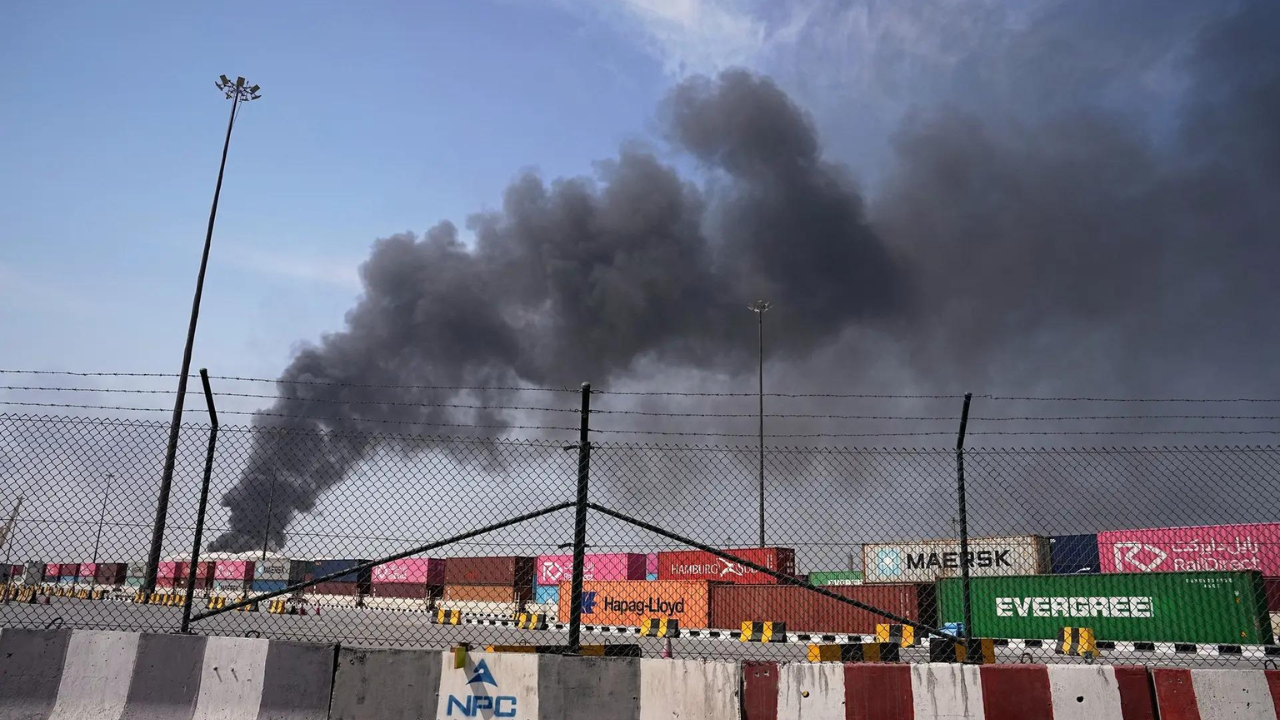
The fires at the bases are eventually extinguished. The debris is cleared. The "strategic assets" are assessed for repair. But the smoke lingers in the air of Rawalpindi long after the sun comes up, a gray reminder that the war didn't end; it just changed its clothes.
As the city wakes up to the sound of sirens and the sight of new checkpoints, the people move through their day with a practiced, heavy resilience. They have seen this before, and they fear they will see it again. The real victory for the insurgents isn't the destroyed aircraft or the breached perimeter. It is the quiet, persistent thrum of fear that now accompanies every heartbeat in the city.
The sky over the airbase eventually fades from the red of the explosions back to the hazy blue of a South Asian morning. But for the men and women behind the wire, and the civilians in the shadow of the towers, the darkness hasn't truly left. It is just waiting for the next silence to break.