The coffee in the Tulcea border patrol station is always too hot and tastes like burnt rubber, but at 2:30 AM, it is the only thing keeping the world from blurring into a gray smudge. Ionut—a name we’ll give to a man whose real name is buried in military records—watched the green sweep of the radar. It is a rhythmic, hypnotic pulse. It is the heartbeat of a nation trying to sleep while its neighbor’s house is on fire.
Then, the rhythm broke.
A blip. Small. Erratic. It wasn't the steady, predictable arc of a commercial flight or the familiar signature of a friendly patrol. This was something else. It was a Russian drone, a jagged piece of metal and logic, slicing through the invisible curtain that separates a NATO member from a kinetic war zone.
The Romanian Ministry of National Defence eventually released a statement. It was dry. It was clinical. It spoke of "radar signals" and "unauthorized penetration." But for the people living in the small villages along the Danube, the reality isn't a press release. It is a low, persistent drone that vibrates in the marrow of your bones. It is the sound of a lawnmower from hell, hovering over your roof while you wonder if tonight is the night the "unauthorized penetration" becomes a kinetic tragedy.
The Anatomy of an Intrusion
Radar isn't a camera. It is an echo.
To understand what happened over the skies of Romania, you have to understand how we see the invisible. Radar systems send out radio waves that bounce off objects and return to the receiver. It is a conversation between the ground and the air. When a Russian drone—likely a Shahed-type "suicide" craft designed for cheap, mass-production destruction—crosses into Romanian airspace, it isn't just a tactical move. It is a sensory violation.
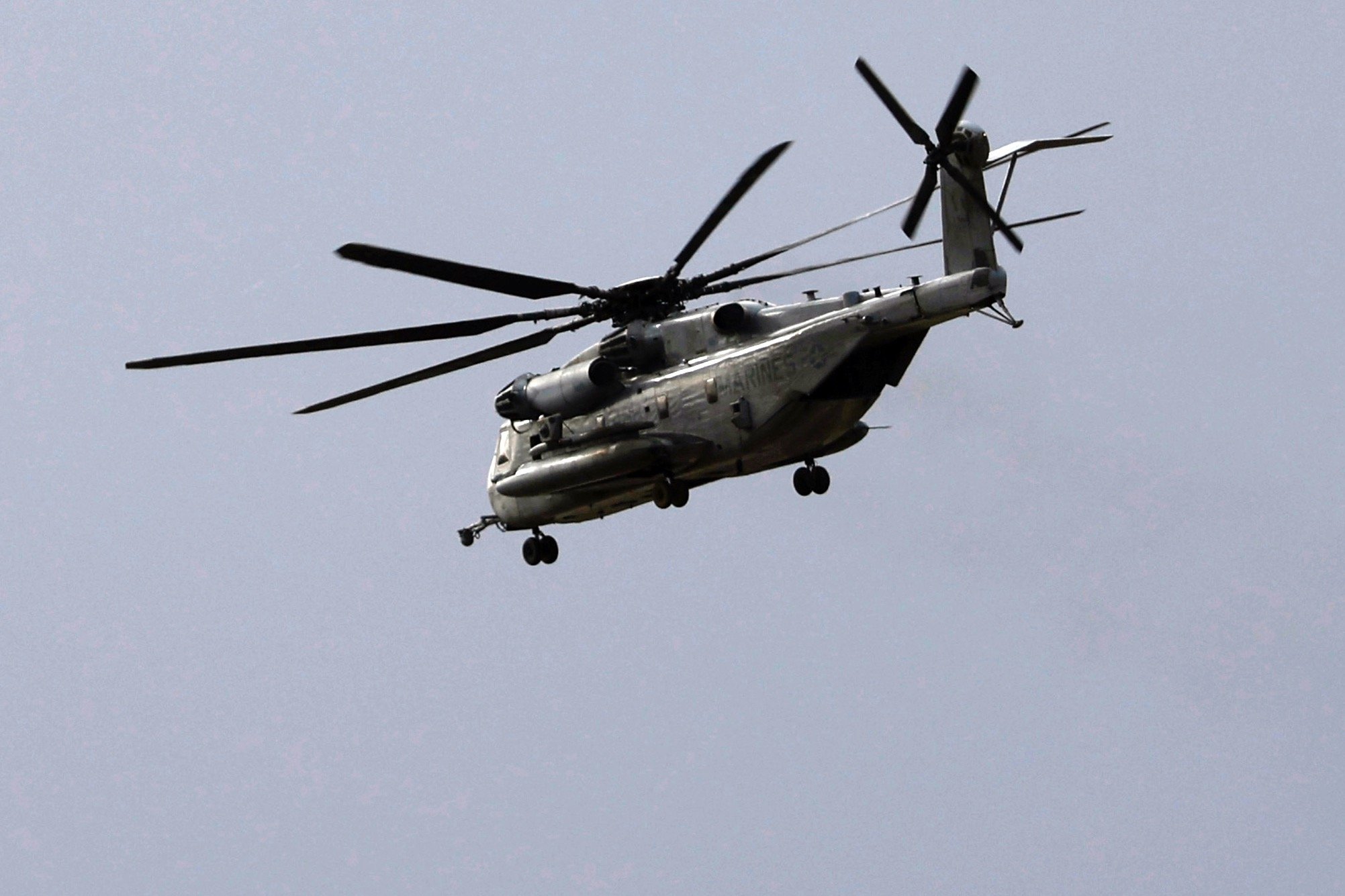
The problem with these drones is their height. Or lack of it. They hug the contours of the earth, hiding in the "clutter" of hills, trees, and buildings. For Ionut and his colleagues, catching one is like trying to spot a mosquito in a hurricane using a flashlight. On this particular night, the Romanian military didn't just watch; they scrambled. F-16 fighter jets, multi-million dollar marvels of engineering, rose into the blackness to chase a machine that costs less than a used sedan.
The asymmetry is staggering.
We are watching a world where high-tech defense must constantly react to low-tech persistence. The drone doesn't need to win a dogfight. It doesn't even need to stay in Romanian airspace for long. It only needs to exist. Its presence forces a reaction, drains resources, and, most importantly, erodes the psychological sense of safety that a border is supposed to provide.
The Invisible Stakes of a Few Kilometers
Why does it matter if a drone clips a few miles of Romanian sky before heading back into Ukraine or crashing into a field?
Imagine your backyard. Imagine a stranger walking ten feet past your fence line, standing there for three minutes, and then walking back. They didn't break your windows. They didn't steal your grill. But the sanctity of the space is gone.
In the world of international diplomacy and Article 5, borders are binary. You are either in, or you are out. Every time a Russian drone "accidentally" drifts into NATO territory, it is a probe. It is a finger pressed against a balloon, testing exactly how much pressure it takes before the rubber snaps.
The Romanian government's response has been a delicate dance of de-escalation and firm warning. They dispatched teams to search the ground for debris. They notified their allies. They issued "Ro-Alert" messages to local citizens, telling them to take cover in cellars or shelters.
Consider the grandmother in Plauru, a village so close to the border she can see the smoke from Ukrainian ports. Her phone screams an emergency alert in the middle of the night. She has to decide: stay in bed and pray, or head to a cold basement because a piece of foreign electronics has lost its way—or found it too well. This is the human cost of "radar interference." It is a tax on the nervous system of an entire population.
The Logic of the Machine
These drones are not flown by pilots sitting in cockpits with eyes on the horizon. They are programmed. They follow GPS coordinates, often fighting through electronic warfare "jamming" that tries to blind them.
When the Romanian Ministry reports that a drone entered their space, they are often describing a machine that has been "spoofed" or "jammed" into a state of digital confusion. It is a blind predator. It wanders.
But there is a darker possibility that military analysts whisper about in the halls of Bucharest and Brussels. Sometimes, the wandering is the point. By forcing Romania to activate its radar systems to track the intrusion, Russia can map where those systems are located. They turn a simple border breach into an intelligence-gathering mission. Every time we look up, they see where our eyes are.
The Shadow of the Danube
The Danube river has always been a provider. It carries silt, fish, and trade. Now, it carries a shadow.
The residents of the Tulcea region have become accidental experts in the sounds of modern warfare. They can distinguish between the whistle of a missile and the guttural thrum of a drone engine. This wasn't in the brochure for rural Romanian life.
The Romanian military’s task is unenviable. If they shoot down a drone over their own territory, they risk falling debris hitting their own people. If they don't shoot it down, they appear weak, and the "probes" will only get deeper, longer, and more frequent.
It is a game of chicken played at Mach 1.5.
The drones are the ultimate weapon of the weary. They are cheap enough to lose and annoying enough to cause a diplomatic crisis. While the politicians in Bucharest debate the legal framework of when a "breach" becomes an "act of war," the soldiers on the ground are left with the immediate, visceral reality of the green screen and the flickering blip.
The Burden of the Watchman
We often think of war as a series of explosions. We see the craters and the fire. But the version of conflict currently touching the edges of the European Union is one of quiet, agonizing tension. It is the sound of a phone notification at 3:00 AM. It is the sight of an F-16 afterburner cutting a hole through the clouds.
Romania is not at war. Yet, its citizens are being asked to endure the psychological proximity of it. The "radar signals" mentioned in the news reports are merely the digital ghosts of a very physical threat.
Behind every official statement is a room full of people like Ionut, eyes red-rimmed from the glare of the monitors, wondering if the next blip will be the one that doesn't just pass through. They are the ones who have to decide in a split second what a signal means. Is it a mistake? A provocation? A malfunction?
The margin for error is shrinking. As the war in Ukraine drags on, the "accidents" on the border become a recurring theme, a grim soundtrack to a life lived on the edge of a map.
The air over Tulcea is quiet again, for now. The drones have either crashed or turned back into the smoke of the East. But the smell of static lingers. It is the scent of a world where the sky is no longer a neutral ceiling, but a frontier that is being nibbled away, one blip at a time.
The coffee in the station is finally cold. The radar continues its sweep. The green line moves in a circle, over and over, searching for the moment the silence breaks again.
Somewhere in the distance, a dog barks at a sound the human ear can’t quite catch yet.