Static hums in the dark. For decades, the living room glow meant escapism—a soft cushion against the hard edges of a Tuesday night. We watched because we wanted to forget the commute, the bills, the quiet dread settling into the corners of the kitchen. But television changed. It stopped trying to soothe us. It started holding a mirror to our fractures, our frantic workspaces, our desperate, bleeding humor.
When the envelope tore open at the 2026 Emmy Awards, the industry did not reward comfort. It rewarded exhaustion. It rewarded truth, wrapped in blood, grease, and sharp punchlines.
Let us step inside the suffocating corridors of a modern hospital before the red carpet unrolled. Picture the emergency bay at 3:00 AM. Fluorescent lights flicker with a low, maddening buzz. Monitors beep with a rhythmic urgency that feels less like life support and more like a countdown timer.
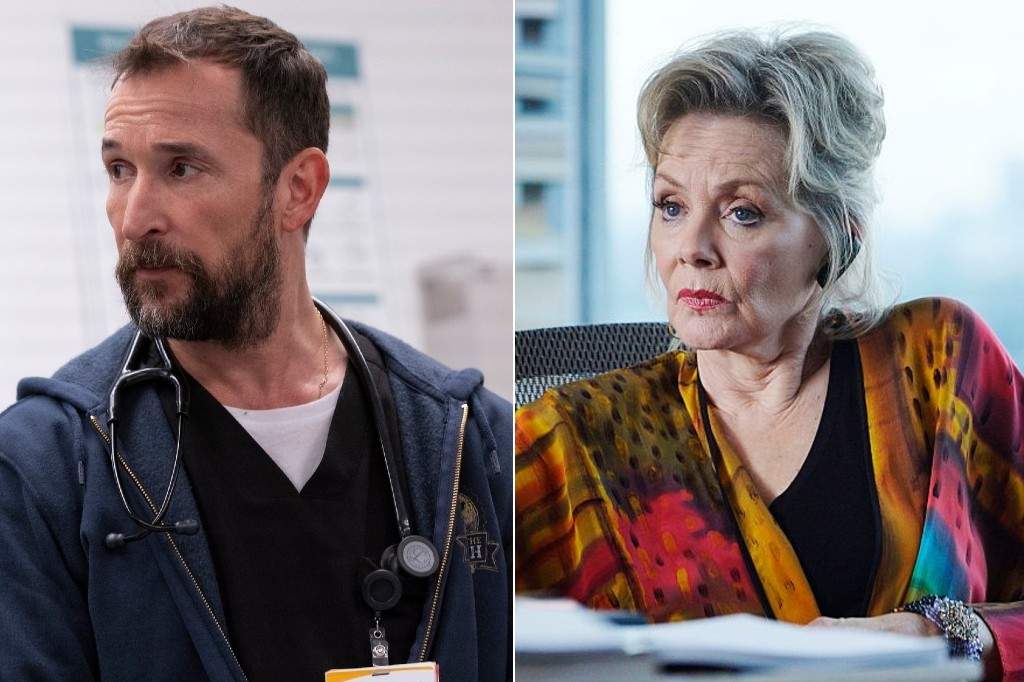
Noah Wyle stands at the center of this chaos, scrub top soaked through, shoulders permanently pinned to his ears by decades of carrying dead weight. This is the world of The Pitt. It is not the pristine, glossy hospital drama of television's past where doctors deliver philosophical monologues while walking down endless corridors. This is a gritty, breathless sprint against an indifferent clock. Every breath on screen feels stolen. Every diagnosis is a gamble against a stacked deck.
When The Pitt dominated the night, it signaled a shift in our collective appetite. We are tired of fantasy. We want the sweat. We want to see what happens when the system breaks and the humans inside it are left holding the pieces.
Critics called it a masterclass in tension. The actors called it Tuesday.
Down the coast, in a very different room where the air smelled of stale wine, expensive perfume, and unhealed resentments, another kind of battle raged. Jean Smart sat at a table, nursing a drink that looked stronger than conviction, watching the younger generation circle her like sharks smelling blood in the water.
This was the universe of Hacks.
Comedy has always been a shield. But in the world crafted by the showrunners, comedy is a switchblade. It is what you use when you have nothing left to lose.
Consider what it takes to look a lifetime of compromise in the eye and make a joke about it. Jean Smart’s character does not win by being nice. She wins because she refuses to apologize for her ambition, her cruelty, or her brilliance. She is difficult. She is exhausting. She is entirely, magnificently real.
When Hacks swept through the comedy categories, taking home the hardware that everyone else was fighting over, it felt less like a victory lap and more like an indictment of anyone who ever told a woman to tone it down.
The television landscape—that tired, overused phrase—is actually a battlefield of attention. Every night, millions of us stare at glowing rectangles, searching for a voice that sounds like our own internal monologue. For years, prestige television meant sprawling period pieces about moody men with expensive problems and secret vices. We admired them from a distance. We marveled at their hats.
Then the world got loud, unpredictable, and relentlessly anxious.
Our art had to catch up.
The winners of the 2026 Emmys share a common DNA. They do not offer neat resolutions. A surgery goes wrong. A joke bombs, then destroys a career, then builds a new one from the ashes. There are no clean fades to black where everyone learns a valuable lesson. There is only the next shift. The next set. The next morning when the alarm clock screams at dawn and you have to decide whether to get out of bed and try again.
Think about the writer sitting in a cramped apartment in Burbank, staring at a blinking cursor at four in the morning. Coffee cup cold. Cat asleep on the keyboard. That writer is not thinking about gold statuettes. They are thinking about a single line of dialogue that captures the exact taste of loneliness after a bad breakup. They are thinking about how to make a stranger in Ohio cry into their cereal.
That is where culture is actually built. Not on the stage under the blinding lights of the Nokia Theatre, but in the dark, messy, unglamorous hours of creation.
When the final trophy was handed out and the champagne glasses were cleared away, the glitter swept into the backstage wastebins, the real trophy remained in the quiet recognition of the audience. We saw ourselves in the frantic ER doctors running on caffeine and adrenaline. We saw our mothers, our bosses, our younger selves in the acid-tongued comedians refusing to go quietly into the night.
Television stopped pretending everything is fine. And in doing so, it finally became art.