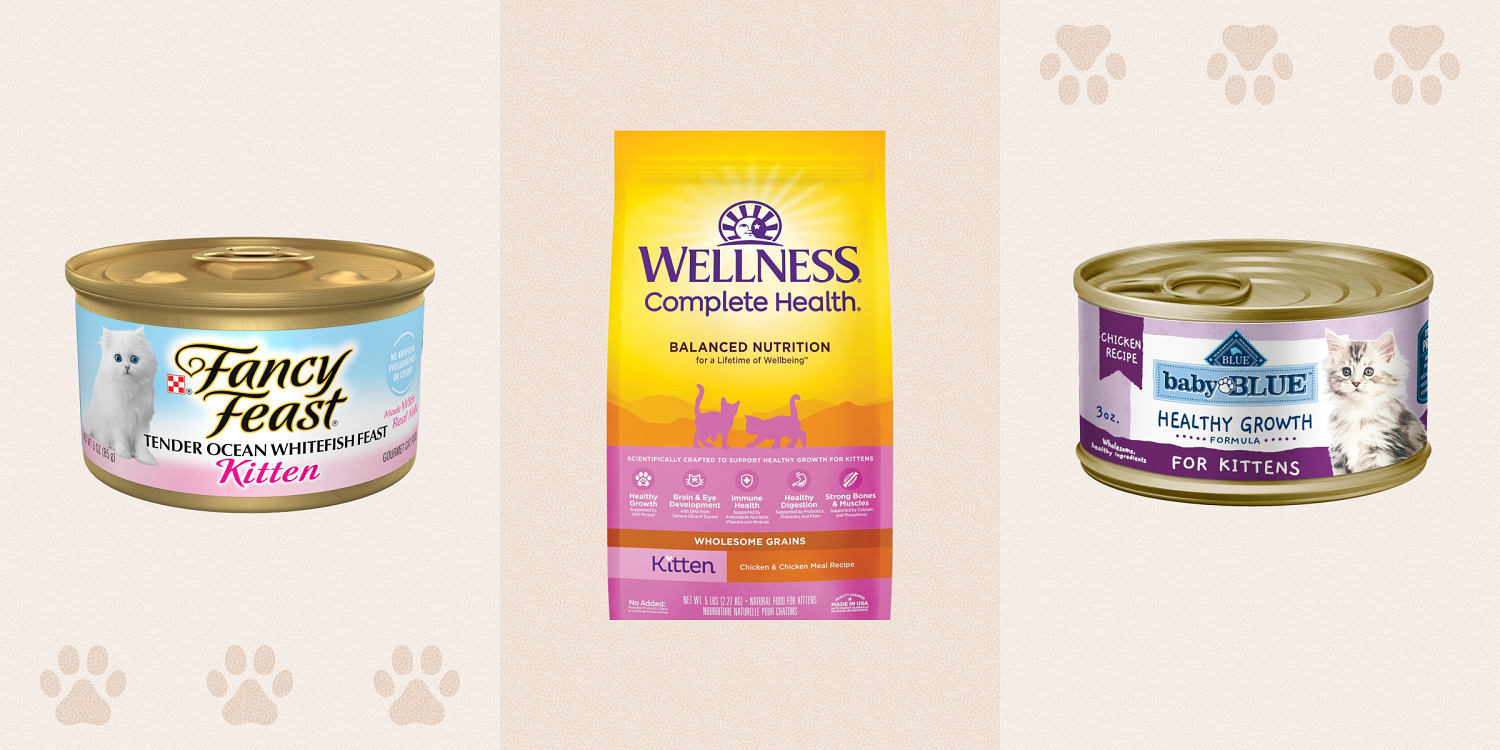
Rapid development in kittens creates a metabolic window requiring specific nutrient densities that far exceed adult maintenance requirements. Failure to calibrate intake during the first 12 months results in skeletal abnormalities, immune suppression, or metabolic crystallization. Proper growth management rests on three variables: energy density, amino acid profiles, and skeletal mineralization ratios.
The Metabolic Demand Profile
A kitten’s metabolic rate per unit of body weight is significantly higher than that of an adult cat. Growth is an energy-intensive process requiring an caloric surplus dedicated to tissue accretion rather than mere maintenance. The primary error in kitten nutrition is the application of adult maintenance models to a stage characterized by exponential growth.
Caloric needs decrease as the kitten approaches maturity. The following shifts represent the required strategic adjustment:
- Weaning to 4 Months: The period of maximum growth velocity. Protein requirements are at their absolute peak to support muscle and connective tissue synthesis.
- 4 Months to 9 Months: Growth velocity decelerates. The risk shifts from potential caloric deficiency to the development of early-onset obesity through excessive fat accumulation.
- 9 Months to 12 Months: Transition to adult maintenance. The metabolism stabilizes, and nutrient ratios must be adjusted to prevent weight gain.
The Triad of Essential Nutrient Ratios
Nutrient density is not merely about volume; it is about bioavailability and internal chemical balance.
Protein Quality and Amino Acid Profiles
Protein is the fundamental building block. However, not all proteins provide the requisite amino acid profile for feline biology. Taurine is the most critical variable. Unlike many species, cats cannot synthesize sufficient taurine from precursor amino acids. Deficiency leads to dilated cardiomyopathy and retinal degeneration. Biological value—the percentage of absorbed protein retained for growth—must be high. Animal-sourced proteins (muscle meat, organ tissue) provide superior bioavailability compared to plant-based proteins, which often lack the required concentrations of methionine and cysteine.
Fat and Energy Concentration
Fats provide the necessary energy density to fuel high activity levels while keeping meal volumes manageable for smaller stomachs. A kitten's gastric capacity is limited; high-fiber or low-fat diets require excessive consumption to meet energy thresholds, which leads to gastric distension. High-quality animal fats provide essential fatty acids, including arachidonic acid, which cats cannot synthesize efficiently from linoleic acid.
Mineralization and Skeletal Integrity
The calcium-to-phosphorus ratio dictates bone density. A shift in this ratio, specifically an excess of phosphorus without proportional calcium, triggers secondary hyperparathyroidism. This condition causes the body to pull calcium from the skeletal system to maintain blood homeostasis, resulting in fragile bones and stunted growth. The optimal ratio is approximately $1.1:1$ to $1.4:1$. Deviating from this range introduces mechanical risk to the developing skeletal frame.
The Logic of Delivery Systems
The delivery mechanism—wet versus dry food—alters the hydration and intake kinetics of the kitten.
Dry food offers superior convenience and allows for ad-libitum feeding, which can be advantageous during the highest growth velocity phase. However, it requires a higher reliance on fresh water intake to mitigate the risk of urolithiasis, as cats have a low thirst drive compared to other mammals.
Wet food provides moisture that mimics natural prey hydration. This is beneficial for kidney function and maintains urine concentration at levels less likely to support crystal formation. The drawback is the inability to leave food out for extended periods, as it degrades rapidly, requiring strict management of meal times.
Operational Constraints and Risks
No nutritional program is devoid of friction. Several common pitfalls undermine even well-constructed diets.
- Improper Transitioning: The feline gut microbiome is sensitive to sudden shifts in composition. Replacing a current food source must occur over 7 to 10 days, incrementally blending the new profile to avoid gastric distress or dietary aversion.
- Over-Supplementation: Adding calcium or vitamins to a balanced commercial diet is a frequent error. Commercial kitten-specific formulations are already calibrated. Adding supplemental minerals disrupts the precise $1.1:1$ calcium-phosphorus ratio, causing the very bone issues the owner intends to prevent.
- Caloric Density Mismatch: Using an adult maintenance diet for a kitten creates a deficit in taurine and caloric intake. Conversely, feeding a kitten-formulated diet to an adult cat leads to hyper-caloric intake and rapid adipose storage.
Strategic Execution
Monitor body condition score (BCS) on a bi-weekly basis rather than relying solely on body mass. Weight gain can be deceptive if it reflects fat accumulation rather than muscle accretion. Observe the waistline and rib palpation. If ribs are not easily palpable, the caloric intake exceeds the current developmental demand and requires a downward adjustment of portion size.
Transition the kitten to an adult maintenance diet only after achieving 80% of expected adult body mass, or as directed by weight-based growth charts specific to the breed. Maintain a consistent brand and formulation once a successful match is found to minimize metabolic stress. When a specific diet provides the required nutrient profile without causing gastrointestinal variance or excessive stool volume—a primary indicator of poor digestibility—lock that variable. Do not optimize for variety; optimize for stability.